


Planning a trip to Canada is less about finding “the” best time to visit and more about choosing the right month for what you want most: turquoise lakes in the Rockies, sidewalk cafés in Montréal, blazing maple forests in Quebec, road trips along Nova Scotia’s Cabot Trail, or northern lights over Yellowknife. Seasons in Canada are dramatic, and timing affects everything from which hiking trails are open to how much you pay for a basic hotel room. This month-by-month guide compares the key regions and experiences so you can match your dates to your wish list.
How Canada’s Seasons Shape Your Trip
Canada stretches from mild Pacific shores to Arctic tundra, so “summer” and “winter” feel very different depending on where you go. In Banff and Jasper in the Canadian Rockies, lakes like Lake Louise and Moraine Lake usually melt out by early to mid June, with prime hiking and backcountry access in July, August and early September. In contrast, coastal Vancouver is often in bloom by April, and parts of Atlantic Canada can stay snowbound into late March.
Season also drives crowd levels and prices. In popular hubs like Banff, Whistler and downtown Vancouver, hotel rates often peak from late June through early September and again during Christmas and New Year. In Banff, for example, shoulder months like April, May and November typically see significantly lower nightly rates and easier last-minute availability, while July and August often sell out months in advance and require careful planning for items like shuttle reservations to Moraine Lake.
Experiences are highly seasonal. Polar bear viewing around Churchill in Manitoba focuses on October and November, beluga whale trips in Hudson Bay cluster in July and August, and prime northern lights tours in Yellowknife or Whitehorse generally run from around September to early April. Fall colour road trips in Quebec, Ontario and the Maritimes are typically best between late September and mid October, while serious ski trips to Whistler Blackcomb, Banff, Lake Louise or Mont Tremblant are usually safest from late December through March when snow coverage is most reliable.
Because weather is increasingly unpredictable, it is wise to treat all dates as approximate. A warm autumn can delay peak foliage by a week; a heavy snow year can keep high-elevation Rockies hikes under snow well into July. This guide focuses on typical conditions and patterns to help you narrow down your options and then fine-tune based on the specific year’s forecasts.
January to March: Deep Winter, Ski Season and Aurora Hunts
January is midwinter across the country. In the Rockies, resorts like Sunshine Village and Lake Louise are in full ski season with cold temperatures and consistent snow. It is an excellent time for downhill skiing, snowboarding and snowshoeing if you are prepared for temperatures that can drop below minus 20 degrees Celsius and short daylight hours. Towns like Banff and Jasper are quieter than at Christmas, which often translates to better hotel availability and midweek deals, though weekend ski crowds are still common.
January through March is also prime time for northern lights in northern Canada. In places like Yellowknife in the Northwest Territories or Whitehorse in Yukon, tour companies typically operate aurora viewing excursions most nights when skies are clear, often bundling heated outdoor shelters, hot drinks and photography assistance. Packages that include flights from southern cities, two or three nights of accommodation and nightly aurora tours commonly start in the several hundred dollars per person range and increase with added activities such as dog sledding or ice fishing.
February continues the winter pattern. In the Rockies, snow conditions are often at their best, and ski-focused towns like Banff, Lake Louise and Revelstoke are lively with events and après-ski. This is a good month if you want deep winter with slightly longer daylight than January. In Quebec City and Montréal, February is ideal for winter festivals and ice skating, although city sightseeing can be challenging in extended cold snaps.
March brings subtle shifts. In western Canada, days are noticeably longer and the sun is stronger, yet ski resorts such as Whistler and Banff still usually have substantial snow on the slopes. March is often one of the snowiest months in Banff, which means conditions for skiing and snowboarding can be excellent even as sidewalks in Calgary or Vancouver begin to feel like early spring. For wildlife, March in the Rockies is not yet prime hiking season; trails are still snow-covered, and most bears remain in hibernation.
April and May: Shoulder Season, Cheaper Stays and Early Hiking
April is shoulder season in much of Canada. In the Rockies, lower-elevation trails around Banff townsite and Jasper may start to clear, but alpine routes and famous high lakes are still snowbound and often avalanche-prone. Hotels in Banff and Jasper frequently drop prices in April compared with winter and summer peaks, making it attractive for travelers who value cost savings and are happy with scenic drives, short walks, and winter activities like late-season skiing.
In southern cities, April feels more like spring. Vancouver’s cherry blossoms are often in bloom, sidewalk patios reopen on warmer days, and Stanley Park’s seawall becomes a favourite cycling loop. Toronto and Montréal start to shake off winter, though temperatures can swing widely. This is a strong time for city-focused trips: museum visits, food tours and neighbourhood exploration are enjoyable even if parks are not yet fully green.
May is a classic in-between month. In Banff and Jasper, more low and mid-elevation hikes open up, but famous postcard spots like Moraine Lake or some sections of the Icefields Parkway can still have patchy snow and limited facilities early in the month. Wildlife viewing improves as bears and other animals emerge; it is common to spot elk, bighorn sheep or black bears along roadside meadows in late May, especially in the early morning or evening. At the same time, hotel rates in the Rockies are often still lower than peak summer, offering a good balance of value and access.
Across eastern and Atlantic Canada, May brings fresh green landscapes and quieter roads. National parks such as Fundy in New Brunswick or Cape Breton Highlands in Nova Scotia begin gearing up for the season, although some seasonal businesses and coastal tours might not operate fully until June. For travelers prioritizing peace, cool hiking and moderate prices over guaranteed warm weather, late May can be a rewarding time for both inland and coastal road trips.
June to August: Peak Rockies Lakes, City Festivals and Atlantic Road Trips
June marks the start of Canada’s high season. In the Rockies, snow usually recedes from the shores of Lake Louise and Moraine Lake by early to mid month, and tour operators ramp up boat cruises and guided hikes. June often counts as a shoulder month for prices compared with July and August, so you may find slightly more reasonable rates in Banff or Jasper while still enjoying good hiking and iconic turquoise lakes. It is also a productive time for wildlife viewing, as bears graze on fresh vegetation along valleys and roadside slopes.
July and August are the core summer months. In Banff National Park, visitor numbers are at their highest, popular parking lots fill early in the morning, and shuttle reservations for places like Moraine Lake and Lake Louise are essential in many itineraries. Hiking opportunities are at their broadest, from family-friendly trails near town to full-day treks in areas such as Lake O’Hara, Sunshine Meadows or the Skyline Trail near Jasper. Expect premium hotel prices in mountain towns and book well ahead, particularly around Canadian holidays and long weekends.
For Canadian cities, July and August bring long evenings and outdoor events. Montréal’s festival calendar is busy with jazz, comedy and cultural events; Toronto’s waterfront and island ferries are in heavy use; Vancouver’s beaches and seawall are packed on sunny weekends. City hotel prices tend to follow demand, so waterfront properties in Vancouver or downtown suites in Toronto often cost more in these months than in early spring or late autumn.
Atlantic Canada is also at its best in summer. Road trips around Nova Scotia’s Cabot Trail, drives through Prince Edward Island’s coastal farmland, or hikes in Newfoundland’s Gros Morne National Park are most comfortable in July and August. Whale watching tours operate frequently from places such as Cape Breton, the Bay of Fundy and Newfoundland’s west coast during these months. Many rural inns, seaside cabins and campgrounds in the region are seasonal, so July and August provide the widest choice of accommodation and dining, though prices generally rise accordingly.
September and October: Fall Colours, Larches and Quieter Trails
September is one of the most balanced months for visiting Canada. In the Rockies, daytime temperatures are cooler but still pleasant for hiking, summer operations such as gondolas and boat cruises mostly continue, and the crowds of July and August thin noticeably after Labour Day. Hotel prices in Banff, Lake Louise and Jasper often ease compared with peak summer, though they remain higher than in deep shoulder months. Wildlife activity can be dramatic at this time, with elk rutting seasons in mountain valleys and a good chance of bear sightings in open meadows.
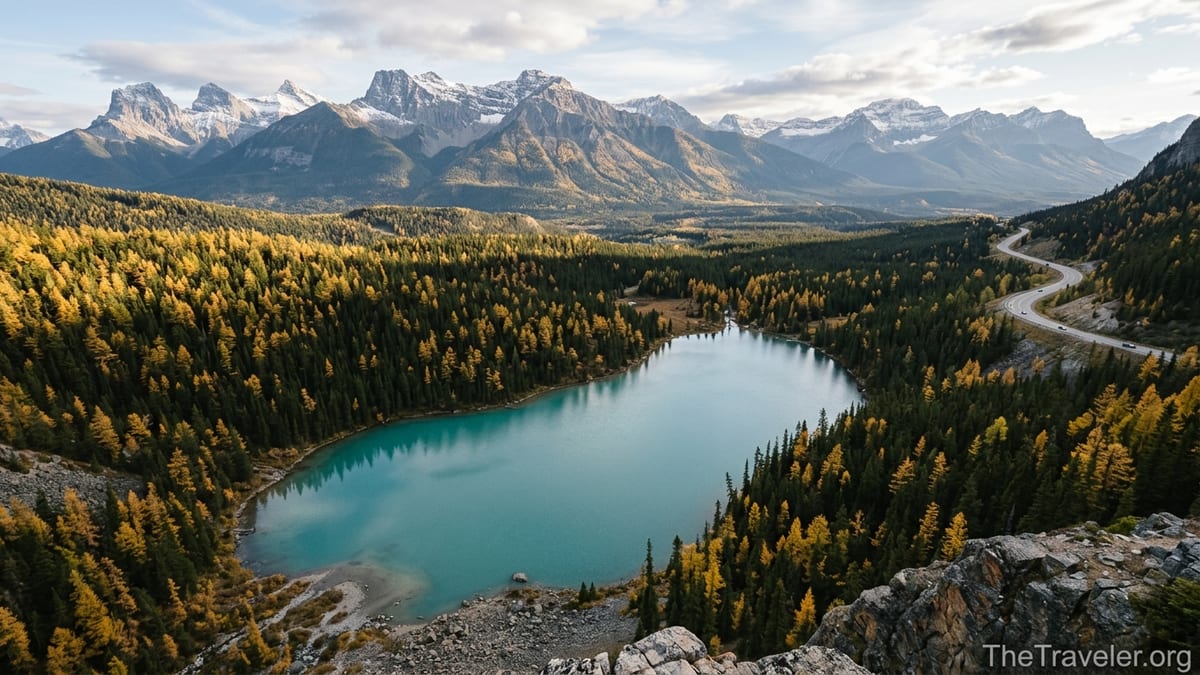
Late September in the Rockies is famous for larch season, when alpine larch trees turn bright gold on high trails near Lake Louise, Kananaskis and along the Icefields Parkway. These hikes are extremely popular on sunny weekends, so parking lots can still fill early even though overall visitation is lower than in midsummer. At the same time, weather becomes less predictable: some years see dry, crisp conditions into early October, while others bring early snowfall that can close higher routes and require flexible planning.
For classic red-and-gold maple forests, eastern and Atlantic Canada lead the way. In Quebec’s Laurentians and Charlevoix regions, in Ontario’s Algonquin and Killarney provincial parks, and in the hardwood forests of New Brunswick and Nova Scotia, peak colour typically arrives between late September and mid October depending on latitude and elevation. Cities such as Montréal, Ottawa and Quebec City are particularly atmospheric in early to mid October, when urban parks, riverside paths and nearby hillsides glow with colour while temperatures remain cool but comfortable for walking.
October continues the fall colour show in many regions and brings major wildlife transitions. In Churchill, Manitoba, October and November are the core months for polar bear viewing packages, with outfitters using tundra vehicles or remote lodges to give visitors safe views of bears waiting for Hudson Bay to freeze. In the Rockies, October is solidly shoulder season: hotels in Banff and Jasper often reduce rates after Canadian Thanksgiving, some gondolas and seasonal attractions close for maintenance, and hiking becomes more limited as snow accumulates at higher elevations. For travelers who value low crowds in mountain settings and are prepared for mixed conditions, this can be a rewarding time.
November and December: Early Snow, City Breaks and Festive Escapes
November is one of the quietest months for leisure travel in many parts of Canada. In the Rockies, autumn colours have faded and reliable ski conditions have not yet fully arrived at lower elevations, although some high-elevation resorts near Banff often aim to open limited runs in early November. Hotel prices in Banff, Canmore and Jasper are often among the lowest of the year outside of specific event weekends, which can appeal to budget-minded travelers seeking peaceful scenery, wildlife drives and indoor comforts rather than extensive outdoor activities.
Across much of the country, November can feel in-between: too cold for comfortable leaf-peeping or patio culture, not yet fully transformed into a winter wonderland. This makes it a good month for value-oriented city trips that prioritize museums, restaurants and cultural attractions. Cities like Toronto, Montréal and Vancouver frequently offer better rates and availability in November than in peak summer or December holiday periods, though early season Christmas markets and light festivals start to appear toward the end of the month.
December brings Canada back into its festive stride. In the Rockies, ski resorts such as Whistler Blackcomb, Sunshine Village, Lake Louise and Big White typically operate full winter terrain by mid to late December, although early season coverage can vary from year to year. The Christmas to New Year period is one of the highest-priced weeks of the ski season, with slopes, mountain lodges and alpine towns at their busiest and most decorated.
In Quebec City and Montréal, December transforms old districts into postcard scenes, with historic streets lit by decorations and outdoor skating rinks opening. Winnipeg, Ottawa and other colder cities host winter light displays and markets. For northern lights seekers, dark winter nights continue to offer opportunities from December onward in Yellowknife, Whitehorse and Churchill, though the very cold temperatures and cost of flights make detailed planning essential.
Comparing Regions: Rockies, Cities, Atlantic Canada and the North
If your priority is mountain scenery, hiking and turquoise lakes, the Canadian Rockies are most rewarding from mid June through mid September. Banff, Lake Louise, Jasper and neighbouring parks on the British Columbia side offer the full package of open trails, accessible vistas and a wide choice of lodges and campgrounds in these months. July and August bring maximum access and warmth with maximum crowds and hotel prices, while June and September provide a compromise with slightly cooler weather, some lingering or early snow at higher elevations, and gentler price levels.
For city breaks, late spring, summer and early autumn work well. Vancouver is pleasant from April to October, with its driest weather usually from July into early September. Toronto and Montréal shine from May through early October, with July and August best for festivals and patios, and September often ideal for comfortable sightseeing without high heat. Winter city trips are still attractive for travelers who enjoy snow, ice skating and winter festivals, but packing for sub-zero temperatures is essential in eastern and central Canada from December through February.
Atlantic Canada is highly seasonal. Summer, from late June to early September, is best for road trips along the Cabot Trail in Nova Scotia, lighthouse visits along New Brunswick’s Bay of Fundy coast and beach days on Prince Edward Island. Many small inns, seafood shacks and whale watching operators run only in this window. For fall colour combined with ocean scenery, late September and early October are especially appealing in Nova Scotia and New Brunswick, though some seasonal businesses start to close by mid October.
Northern destinations are defined by extremes. For aurora-focused trips to places like Yellowknife, Whitehorse or Churchill, the heart of the season runs from around September to early April, when nights are long and dark. Polar bear viewing around Churchill peaks in October and November, while beluga whale trips concentrate in July and August. Travelers who want to combine relatively mild temperatures with a chance of northern lights sometimes target September or March, accepting less certainty in exchange for more comfortable conditions than midwinter.
Trip Planning by Interest: Hiking, Wildlife, Fall Colours, Skiing and Road Trips
For hiking, the key consideration is snow-free trails. In the Canadian Rockies, main hiking season typically runs from late June to late September at most elevations, with high passes open only in mid summer in heavy snow years. June and September are attractive for travelers who want cooler temperatures and fewer crowds, while July and August suit those who prioritize maximum trail access even if popular routes feel busy. In Quebec, Ontario and Atlantic Canada, lowland hikes are practical from May through October, with mosquitoes common in early summer and cooler, clearer conditions in September and early October.
Wildlife viewing is strongly seasonal. In the Rockies, late May and June are productive for roadside wildlife spotting as animals feed at lower elevations, while September brings notable elk activity. Polar bear viewing in Churchill is concentrated in the late autumn months; beluga whale experiences there and in parts of Quebec and Atlantic Canada peak in summer. Whale watching along both the Pacific coast of British Columbia and the Atlantic coast of Nova Scotia and Newfoundland generally operates from late spring through early autumn, with operators adjusting timing based on migration patterns.
For fall colours, eastern Canada and the Maritimes are the most reliable choices. Late September and early October are usually best across Quebec’s Laurentians and Eastern Townships, Ontario’s Algonquin region, and New Brunswick’s interior, while coastal Nova Scotia and Prince Edward Island often peak slightly later into October. The Canadian Rockies, by contrast, have more limited broadleaf forests, so fall interest focuses on short but intense larch seasons and snow-dusted peaks rather than extensive red-maple hillsides.
Skiing and snowboarding are strongest from late December through March at most major resorts. Whistler Blackcomb, Lake Louise, Sunshine Village, Banff Norquay, Big White, Revelstoke and Mont Tremblant all aim to operate in this window, with opening and closing dates shifting each year based on snowfall. Road trips are possible year-round in many regions, but for classic open-road experiences with minimal weather disruption, late June to early October is usually safest, especially for high mountain highways such as the Icefields Parkway or ferry-linked loops through Atlantic Canada.
The Takeaway
The best time to visit Canada depends less on finding one perfect month and more on clearly defining your priorities. If your dream involves turquoise lakes, wildflower meadows and long alpine hikes in the Rockies, aim for late June through early September and accept higher prices and busier trails. For vibrant fall colours and comfortable walking weather in historic cities and hardwood forests, late September and early October in Quebec, Ontario and the Maritimes are hard to beat.
If your goal is skiing and cozy lodge evenings, centre your plans on January through March in western mountain resorts or Quebec’s Laurentians. For northern lights or polar bear encounters, look to northern Canada from autumn through early spring, building flexibility into your schedule to account for weather and changing conditions. Travelers who prioritize value and quiet can target April, May and November shoulder seasons in both cities and mountain regions, trading some closed trails or cooler temperatures for lower hotel bills and smaller crowds.
Canada rewards repeat visits in different seasons. The same drive along the Icefields Parkway feels dramatically different in July and October, and a harbour walk in Halifax has one atmosphere in August sunshine and another in November fog. By matching your travel month to your preferred mix of hiking, wildlife, city life, snow sports, leaf-peeping and budget, you can turn Canada’s dramatic seasonal swings into one of the highlights of your trip planning.
FAQ
Q1. What is the single best month to visit the Canadian Rockies?
Many travelers find September the best compromise in the Rockies, with cooler but comfortable hiking weather, fewer crowds than July and August, and often lower hotel prices than peak summer, though some alpine areas may see early snow.
Q2. When are fall colours at their peak in eastern Canada?
Peak fall colours in Quebec, Ontario and the Maritime provinces typically occur from late September to around mid October, with inland and northern areas changing first and coastal or more southerly regions peaking slightly later.
Q3. What months are best for seeing the northern lights in Canada?
Northern lights tours in places like Yellowknife, Whitehorse and Churchill generally run from about September through early April, with the very darkest, longest nights and clearest skies often occurring between midwinter and early spring.
Q4. When is the cheapest time of year to visit Banff and Jasper?
April, May and November are usually the most budget-friendly months in the Rockies, when many hotels offer lower rates, parking is easier to find and popular viewpoints are less crowded, though some attractions and high-elevation hikes are not yet accessible.
Q5. What is the best time for a road trip in Atlantic Canada?
For comfortable driving conditions, open seasonal businesses and good chances of whale sightings, late June through early September works well, while late September and early October add vivid fall colours to routes like Nova Scotia’s Cabot Trail.
Q6. Which months are most reliable for ski trips to Canada?
Late December through March is typically the safest window for planning a ski-focused holiday, when snow coverage is more consistent across major resorts, although exact conditions vary by year and by resort elevation.
Q7. Is October a good time to combine polar bears and northern lights?
Yes, October in Churchill is often recommended for travellers who want a chance to see both polar bears along the coast and the northern lights overhead, accepting cold temperatures, high demand and premium pricing for specialized tours.
Q8. When should I visit if I mainly want Canadian city life and festivals?
Late May through early October is ideal for city trips, with June to August bringing outdoor festivals, patios and long evenings in places like Montréal, Toronto and Vancouver, while September offers a relaxed feel with milder temperatures.
Q9. Are April and May too early for hiking in the Rockies?
In April and early May most high trails remain snowbound, but lower-elevation paths and viewpoints around Banff and Jasper start to open, making these months suitable for short walks, scenic drives and shoulder-season wildlife viewing rather than full alpine hiking.
Q10. How far in advance should I book peak summer travel to the Rockies?
For July and August visits to Banff, Lake Louise and Jasper it is sensible to secure key items such as hotels, popular shuttle services and rental cars several months in advance, especially if you want specific properties, lake-access times or family-sized rooms.