


Atlantic Canada is one of the most rewarding road trip regions in North America, but it is no longer a straight budget destination. Hotel rates in Halifax spike in July, rental cars across the Maritimes can sell out months ahead, and ferry fares to Newfoundland or Prince Edward Island can add hundreds of dollars to a trip. With prices shifting quickly, especially in peak summer 2026, it pays to build a realistic cost framework before you go.
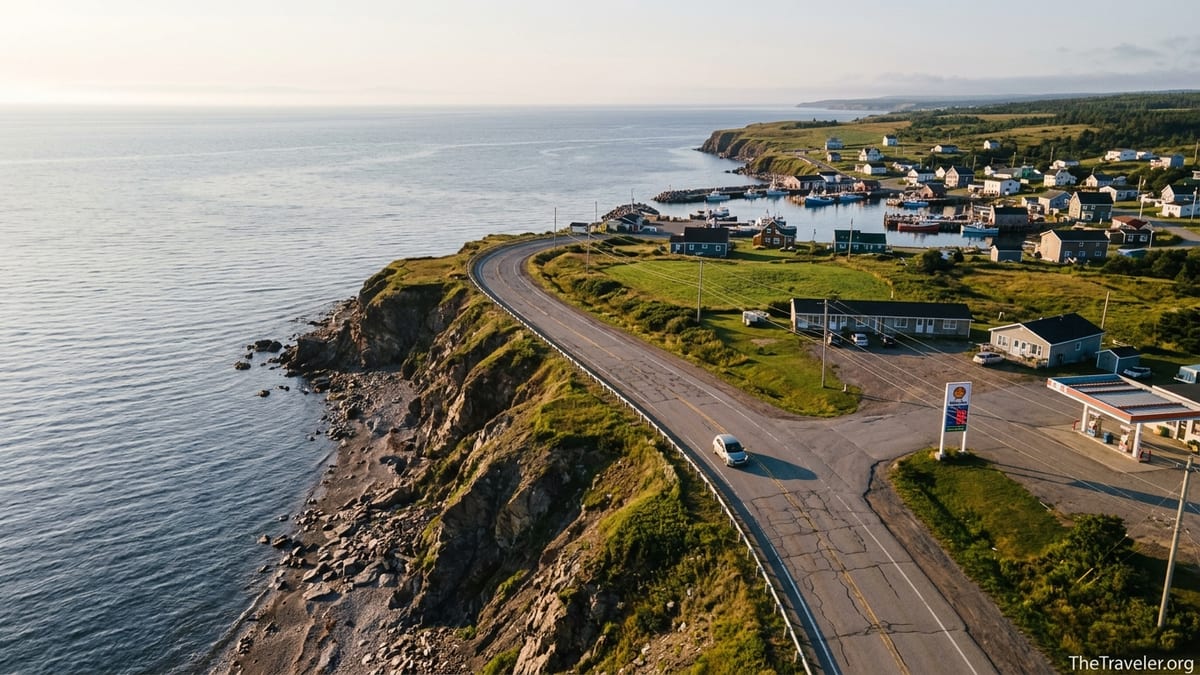
What Things Really Cost in Atlantic Canada in 2026
Atlantic Canada covers four provinces: Nova Scotia, New Brunswick, Prince Edward Island and Newfoundland and Labrador. Price levels vary between major cities like Halifax or St. John’s, coastal resort towns such as Lunenburg or Cavendish, and smaller inland communities. In broad terms, accommodation and car rentals are the biggest line items in peak season, followed by ferries, fuel and restaurant meals.
In summer 2026, midrange hotels in downtown Halifax commonly run around 220 to 260 Canadian dollars per night before tax for flexible rates, based on recent pricing for well known properties such as Hotel Halifax and similar three to four star chains. Smaller centres, such as Moncton or Charlottetown, often see summer rates between about 180 and 230 Canadian dollars for comparable midrange hotels, with simple motels and inns in the 130 to 170 Canadian dollar range when booked in advance.
Car rental prices are notably higher than pre pandemic levels. Travelers posting recent experiences for June and July 2026 report paying around 550 to 750 US dollars for a one week compact or midsize rental picked up at Halifax Stanfield International Airport, which converts to roughly 750 to 1,000 Canadian dollars depending on dates and availability. Locals still advise booking months ahead or looking at off airport locations if you need an automatic transmission during school holiday periods.
Ferries and fixed links are another important cost. The Marine Atlantic ferry between North Sydney, Nova Scotia and Port aux Basques, Newfoundland lists car fares just over 57 Canadian dollars one way for a standard car up to about 21 feet, with passenger fares, seats or cabins extra. Confederation Bridge, the toll bridge linking New Brunswick and Prince Edward Island, has had its car toll frozen through the end of 2025, and public estimates suggest a likely rate in the mid to high 50 Canadian dollars range for a passenger car in 2026, collected only when leaving PEI.
Accommodation Budgets: Cities, Small Towns and Coastal Stays
Accommodation prices swing widely with location, season and lead time. In Halifax, a realistic 2026 summer budget for a central three star hotel such as Hotel Halifax, the Cambridge Suites or similar brands is 230 to 260 Canadian dollars per night, while four star waterfront options like the Halifax Marriott Harbourfront or The Westin Nova Scotian can easily reach 300 to 380 Canadian dollars on busy weekends. Visiting in May, early June or late September can trim 20 to 30 percent off those peak figures.
In New Brunswick, Moncton, Saint John and Fredericton generally price a little lower than Halifax. Summer nightly rates of 190 to 230 Canadian dollars are typical for chain hotels such as Delta, Hilton or Best Western in central locations, while independent motels on the outskirts can fall to around 140 to 170 Canadian dollars if you book early. Near major draws such as Fundy National Park or the Hopewell Rocks area, small inns and cabins often cluster around 180 to 220 Canadian dollars for two adults in high season.
Prince Edward Island’s coastal resorts and cottages add another layer. In Cavendish or Brackley Beach, two bedroom cottages near the water frequently list for 250 to 350 Canadian dollars per night in July and August, especially those with ocean views, hot tubs or direct beach access. Budget travelers can still find older style motels and small inns inland from the coast in the 140 to 190 Canadian dollar range, but availability tightens quickly around school holidays and festival weekends.
Newfoundland and Labrador mixes city hotels and simpler coastal stays. In St. John’s, central hotels such as the Delta or Sheraton typically run 220 to 280 Canadian dollars in high season, while guesthouses and B&Bs in historic neighbourhoods might price around 180 to 230 Canadian dollars. In smaller outports along the Irish Loop or Bonavista Peninsula, owner operated inns commonly charge 150 to 200 Canadian dollars per night, with only a handful of budget options under 140 Canadian dollars once summer is in full swing.
Transport Costs: Rental Cars, Fuel, Ferries and Domestic Flights
For most visitors, a rental car is the backbone of an Atlantic Canada trip. As of summer 2026, compact and midsize rentals from major brands at Halifax Stanfield often show base rates of 80 to 130 Canadian dollars per day before insurances and taxes for July bookings, with weekly prices hovering around 750 to 1,000 Canadian dollars. Off airport locations in Halifax, Moncton or St. John’s sometimes shave 10 to 20 percent off these rates, though opening hours and fleet variety can be more limited.
Fuel is another key cost. Gas prices in Atlantic Canada fluctuate weekly under provincial regulation. In mid August 2026, recent provincial updates and local reports from Nova Scotia point to average regular gasoline prices in roughly the 1.75 to 1.95 Canadian dollars per litre range across the region, with Newfoundland and Labrador often at the upper end due to transport costs. For a typical compact SUV driving 2,000 kilometres over two weeks and averaging eight litres per 100 kilometres, fuel would run about 280 to 310 Canadian dollars at current prices.
Ferry and toll costs depend heavily on route choice. For travel to Newfoundland, Marine Atlantic’s North Sydney to Port aux Basques service lists car fares just above 57 Canadian dollars one way for standard vehicles, with adult passenger fares and optional cabins or reserved seats added on top. The longer seasonal route to Argentia incurs higher vehicle and passenger prices but can save a day of driving if your focus is eastern Newfoundland.
Between New Brunswick and Prince Edward Island, you have two options: the Confederation Bridge or the Northumberland Ferries service between Caribou, Nova Scotia and Wood Islands, PEI. Confederation Bridge tolls are only collected when leaving PEI, and recent public calculations, including those that factored in a federal toll freeze, suggest a 2026 car toll close to 57 Canadian dollars. The Wood Islands ferry has historically been priced similarly to the bridge when leaving PEI; commentary on 2025 reductions noted a per car fare around the low 40 Canadian dollar range including passengers, so budgeting 45 to 55 Canadian dollars one way for 2026 is prudent until final fares are confirmed closer to the season.
Food, Attractions and Tour Pricing
Eating out in Atlantic Canada ranges from inexpensive fish and chips shacks to upscale tasting menus built around local seafood. In 2026, a typical casual sit down dinner in Halifax or St. John’s at a midrange restaurant such as a gastropub on the waterfront or a bistro in the historic core usually lands in the 30 to 40 Canadian dollar per person range before tip for a main and a drink. Add shared starters or desserts and it is realistic to budget 45 to 55 Canadian dollars per person for a comfortable evening meal in cities and major tourist towns.
Breakfasts and lunches are easier to keep in check. Coffee and a pastry at an independent cafe in Halifax, Charlottetown or Moncton will usually be around 8 to 12 Canadian dollars. A filling lunchtime plate of fish tacos or a lobster roll with a soft drink on the South Shore of Nova Scotia often runs 18 to 25 Canadian dollars, while a basic takeout fish and chips portion in many small communities might be 14 to 18 Canadian dollars. Self catering some breakfasts and picnic lunches can reduce your daily food spend by 20 to 30 percent.
Attractions vary by province. Canada’s national parks and historic sites, including places such as Gros Morne National Park in Newfoundland or Kouchibouguac in New Brunswick, generally follow Parks Canada’s national price schedule. For 2026, adult daily entry to national parks sits at about 12.25 Canadian dollars, with free admission for youth 17 and under and annual Discovery Passes available around 83.50 Canadian dollars per adult and 167.50 Canadian dollars per family or group, which can pay off on longer itineraries with multiple park days.
Guided tours and excursions span a wide range. Summer 2026 whale watching trips from ports such as Digby, St. Andrews or Bay Bulls are commonly advertised between 85 and 125 Canadian dollars per adult for three hour sailings on rigid hull inflatables or larger vessels. Half day sea kayaking tours in sheltered coves around Lunenburg or Bonavista often price 90 to 140 Canadian dollars, while entry to indoor attractions such as maritime museums or historic fortifications typically falls between 10 and 25 Canadian dollars per adult.
Sample Daily Budgets and 7, 14 and 21 Day Trip Scenarios
To turn individual price points into a practical plan, it helps to think in terms of daily budgets. For 2026, a realistic midrange daily budget for two adults planning a self drive Atlantic Canada trip that includes comfortable hotels, a rental car, daily restaurant meals and a few paid attractions is roughly 420 to 520 Canadian dollars per day before flights to the region. Budget conscious couples using motels and limited dining out can travel closer to 300 to 360 Canadian dollars per day, while higher end travelers booking boutique hotels, regular guided tours and premium restaurants can easily spend 600 to 800 Canadian dollars per day.
For a seven day Nova Scotia and PEI loop for two in July based out of Halifax, a typical cost structure might look like this. Accommodation: seven nights in midrange hotels and coastal inns at an average of 230 Canadian dollars per night, totaling about 1,610 Canadian dollars. Car rental: one week compact or midsize at roughly 850 Canadian dollars including fees. Fuel: around 700 to 900 kilometres of driving at current prices, roughly 120 to 160 Canadian dollars. Confederation Bridge or ferry: 50 to 60 Canadian dollars. Food and drink: a blend of casual dinners out, lunches and self catered breakfasts at about 140 to 180 Canadian dollars per day, or 1,000 to 1,260 Canadian dollars. Attractions and tours, such as one whale watching trip and several park entries, another 300 to 450 Canadian dollars. Altogether, this seven day trip totals in the neighbourhood of 3,930 to 4,390 Canadian dollars for two.
A 14 day multi province itinerary taking in Nova Scotia, New Brunswick and PEI, again for two adults in high season, often falls around 7,000 to 8,500 Canadian dollars using similar assumptions. Doubling the seven day scenario does not simply double costs because some fixed items such as car rentals gain a weekly rate advantage, but you will likely add more paid tours and attractions to justify the extended time. Two weeks with an average hotel cost of 220 Canadian dollars per night (3,080 Canadian dollars), a two week car rental around 1,500 Canadian dollars, 250 to 300 Canadian dollars in fuel, roughly 2,800 to 3,200 Canadian dollars for food and drink, plus 600 to 900 Canadian dollars for attractions and ferries is typical for travelers who want a balance of comfort and experiences.
A 21 day itinerary that includes Newfoundland, such as a loop through Nova Scotia and New Brunswick combined with a 10 day drive in Newfoundland and Labrador, can push total trip costs for two adults above 10,000 Canadian dollars fairly easily. In addition to the three weeks of lodging and meals, you should factor Marine Atlantic ferry fares in both directions, possible overnight cabins on the longer Argentia route, extra fuel for the longer distances in Newfoundland, and the draw of additional tours such as iceberg viewing cruises or guided hikes in Gros Morne. For such a trip, a careful but comfortable budget of 10,500 to 13,000 Canadian dollars for two is realistic in 2026.
Money Saving Strategies Without Missing the Highlights
Atlantic Canada rewards travelers who are flexible with timing and location. One of the strongest levers is seasonality. Shifting a trip even two or three weeks earlier into June or later into mid September can lower hotel and car rental prices noticeably while still offering mild weather and open attractions. Halifax, for instance, often posts significantly lower room rates in May and early June compared with late July when cruise traffic, festivals and school holidays converge.
Another strategy is to mix accommodation types. Rather than booking three weeks entirely in full service hotels, consider a blend of two or three nights in city hotels, several nights at motels or roadside inns when covering distance, and a handful of stays at self catering cottages where you can cook your own meals. Booking a cottage week in PEI or on Nova Scotia’s South Shore often brings the per night cost for a couple down compared with separate motel rooms plus restaurant dinners every day.
Ferries and tolls can also be tuned to your budget. If you mainly want to experience PEI rather than focus on a specific route, weighing the total cost and schedule convenience of the Confederation Bridge versus the Wood Islands ferry can be worthwhile, especially when travelling with a family in a single vehicle. For Newfoundland, choosing the shorter Port aux Basques route and driving across the island instead of the Argentia sailing can save on ferry fares, especially if you are comfortable with more time on the highway.
Finally, targeted spending on attractions is key. Purchasing a Parks Canada Discovery Pass makes sense if your itinerary includes multiple days in national parks such as Fundy, Kouchibouguac, Kejimkujik and Gros Morne, especially when travelling as a family. On the other hand, if your focus is coastal scenery and historic towns, many of the best experiences such as walking the Halifax waterfront, exploring Trinity’s colourful streets or watching the tide rise in the Minas Basin are effectively free aside from parking.
The Takeaway
Planning an Atlantic Canada trip in 2026 means accepting that it is no longer a rock bottom bargain but still represents solid value compared with many coastal destinations. With realistic expectations for accommodation, car rentals, ferry fares, fuel and food, you can avoid sticker shock and concentrate on building an itinerary that matches your priorities rather than your guesses about cost. Midrange travelers can expect to spend roughly 4,000 to 4,500 Canadian dollars for a packed seven day trip for two, 7,000 to 8,500 Canadian dollars for two weeks, and 10,500 to 13,000 Canadian dollars for three weeks that include Newfoundland and multiple guided experiences.
The most important choices are when you travel, how early you book key components such as car rentals and ferries, and how you balance paid activities against free coastal exploration. By blending city stays with small town overnights, planning ahead for high demand periods and being selective about bigger ticket tours, it is entirely possible to keep your daily spend under control while still enjoying the lighthouses, cliffs, seafood and hospitality that define Atlantic Canada.
FAQ
Q1. How much does a one week Atlantic Canada trip cost for two people in 2026?
For midrange travelers in peak summer, a seven day self drive trip for two typically runs about 3,900 to 4,400 Canadian dollars excluding flights, covering hotels, a rental car, fuel, food, ferries and a few paid activities.
Q2. What is a realistic daily budget per person in Atlantic Canada?
A comfortable midrange daily budget in 2026 is around 210 to 260 Canadian dollars per person when sharing a room, which covers a midrange hotel, rental car, fuel, three meals, and modest attraction or tour costs.
Q3. Are car rentals in Atlantic Canada still expensive and hard to find?
Yes, summer 2026 availability can be tight, especially for automatic transmission vehicles from Halifax airport. Weekly prices of 750 to 1,000 Canadian dollars for a compact or midsize car in July and August are common, so early booking is strongly recommended.
Q4. How much should I budget for fuel on a two week road trip?
With regional gasoline prices around 1.75 to 1.95 Canadian dollars per litre in August 2026, a typical two week loop of about 2,000 kilometres in a compact SUV will usually cost 280 to 310 Canadian dollars in fuel.
Q5. What do ferries to Newfoundland and PEI cost?
For Newfoundland, Marine Atlantic’s standard vehicle fare from North Sydney to Port aux Basques is just over 57 Canadian dollars one way, plus passenger and cabin or seat costs. For PEI, expect a bridge toll in the mid to high 50 Canadian dollars range for a car when leaving the island, and a similar order of magnitude for the Wood Islands ferry when final 2026 fares are published.
Q6. How expensive are hotels in Halifax compared with the rest of the region?
Halifax is usually the priciest city, with three star summer rates often 230 to 260 Canadian dollars per night and waterfront four star options reaching 300 to 380 Canadian dollars. Smaller centres like Moncton or Charlottetown often come in 10 to 20 percent cheaper for similar quality.
Q7. Can I travel Atlantic Canada on a tighter budget?
Yes. By choosing motels or basic inns, self catering some meals and focusing on free coastal walks rather than frequent guided tours, a budget minded couple can bring daily costs down to roughly 150 to 180 Canadian dollars per person in 2026, especially outside the absolute peak weeks.
Q8. Is a Parks Canada Discovery Pass worth it for an Atlantic Canada trip?
It can be. In 2026 the adult Discovery Pass is roughly 83.50 Canadian dollars and a family or group pass around 167.50 Canadian dollars. If your itinerary includes several days in national parks such as Fundy, Kejimkujik, Kouchibouguac or Gros Morne, the pass often pays for itself versus daily entry fees.
Q9. How much should I expect to pay for restaurant meals?
In 2026, a casual restaurant dinner with a main course and one drink typically costs 30 to 40 Canadian dollars per person before tip. Including starters or desserts, budgeting 45 to 55 Canadian dollars per person for dinner, 12 to 18 Canadian dollars for breakfast and 18 to 25 Canadian dollars for lunch is reasonable.
Q10. When is the cheapest time to visit Atlantic Canada?
Late May, early June and mid to late September usually offer lower hotel and car rental prices than peak July and August, while most attractions remain open. Shoulder season visits can trim 20 to 30 percent off accommodation costs while still delivering generally pleasant weather and thinner crowds.