


Atlantic Canada rewards good timing. The same coastal highway can feel completely different in May compared with September, or in foggy iceberg season versus peak fall colour. If you are planning a road trip through Nova Scotia, New Brunswick, Prince Edward Island and Newfoundland and Labrador, it pays to match your dates with your priorities, whether that means icebergs off Twillingate, humpbacks off Cape Breton, warm sand on Prince Edward Island or maple-bright hills in New Brunswick.
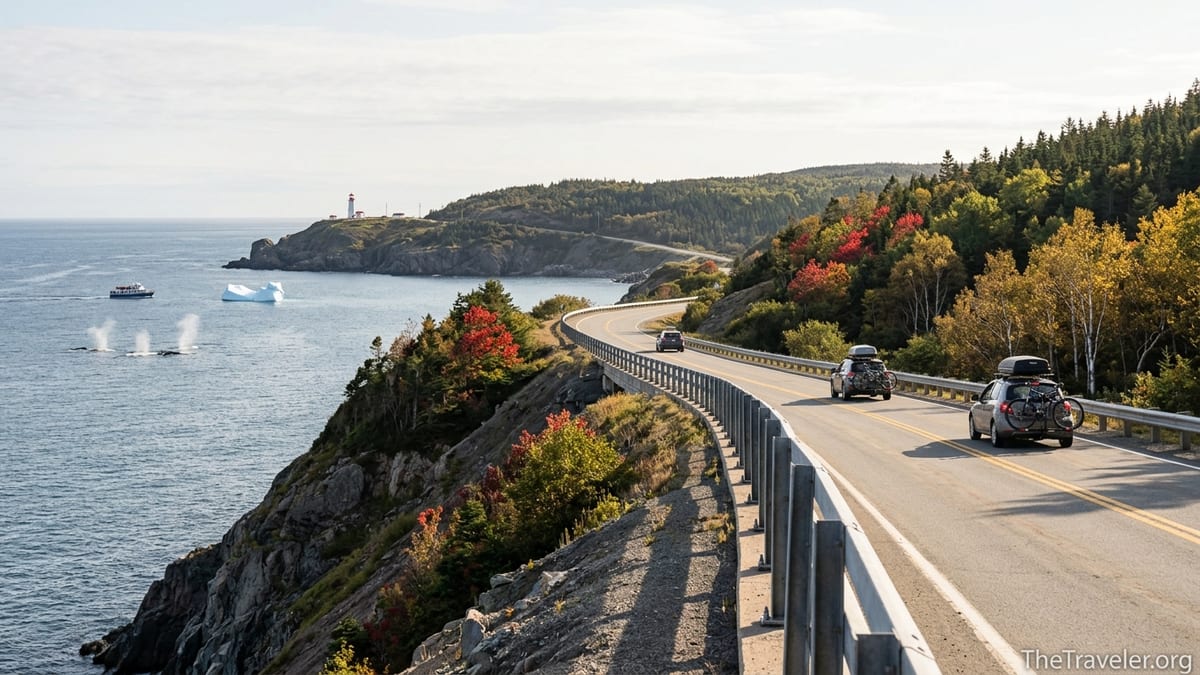
How the Seasons Shape an Atlantic Canada Trip
Atlantic Canada is a four province region of eastern Canada that includes Nova Scotia, New Brunswick, Prince Edward Island and Newfoundland and Labrador. Together they share a North Atlantic climate with cool springs, short but often glorious summers and long shoulder seasons. For visitors, that translates into dramatic month by month differences in everything from ferry schedules to whale watching departures. A May self drive loop that includes Newfoundland’s Iceberg Alley will feel very different from a mid August beach holiday on Prince Edward Island or an October run along Cape Breton’s Cabot Trail for fall foliage.
Broadly, late May to early July is prime for icebergs in Newfoundland and Labrador and for the beginning of whale season. June through August brings the warmest weather, busiest roads, and full seasonal operations, from whale watching cruises out of Digby, Nova Scotia to small independent inns on Fogo Island. September and October are the sweet spots for quieter roads, more available accommodation and fall colours that peak from late September in northern New Brunswick to mid October around Nova Scotia’s Annapolis Valley and Cape Breton Highlands.
The trade off is that no single month gives you everything. If you chase icebergs in Twillingate in early June, it will likely be too cold for long days on the beach in Prince Edward Island National Park. If you want peak autumn colours along the Saint John River in New Brunswick or the Mabou Highlands in Cape Breton, the icebergs are long gone and many seasonal whale watching boats and coastal cafes will have closed for the year.
The most efficient way to plan is to choose your “must have” experiences. If seeing towering icebergs is non negotiable, that will lock you into late spring. If warm water and family friendly beach days on Prince Edward Island are the priority, aim firmly at July or August. Once you know your top goal, you can use the month by month comparisons below to build the rest of your itinerary around it.
April and Early May: Quiet Roads and Emerging Icebergs
April is technically the beginning of iceberg season along Newfoundland and Labrador’s Iceberg Alley, but it is still very much late winter across most of Atlantic Canada. Daytime highs in coastal Newfoundland often hover just above freezing, many hiking trails in Gros Morne National Park and Cape Breton Highlands remain snow covered or muddy, and several coastal tourist routes will feel sleepy. It can, however, be appealing for travellers comfortable with cold weather who want empty roads and early iceberg sightings along the northeast coast between St John’s and St Anthony.
By late April and early May, the first significant icebergs are usually visible from communities like Twillingate, Bonavista and St Anthony. Tourism Newfoundland notes that bergs are more plentiful from April through June, but that sea ice in April often prevents boat tours from operating comfortably. In practice, that means land based viewing from roadside pullouts and coastal trails such as Twillingate’s Long Point lighthouse area is often the best option until later in May. Accommodation prices are generally at their lowest, with some small inns in Twillingate and Bonavista offering spring shoulder season rates that can be 20 to 30 percent below July pricing, though exact figures vary year by year.
Elsewhere in Atlantic Canada, April into early May is still very early season. On Nova Scotia’s South Shore, iconic towns like Lunenburg, Mahone Bay and Shelburne are quiet, with some boat tours and smaller restaurants still closed weekdays. In Prince Edward Island, the Confederation Bridge operates year round, but many coastal cottages and seasonal eateries do not open until Victoria Day weekend around the third week of May. For road trippers, this period suits people who value low traffic and do not mind that whale watching, kayaking outfitters and many organized hikes are still several weeks away from starting up.
If you do travel in late April or early May, plan conservatively. Book accommodations in advance in smaller Newfoundland communities where fewer properties are open, travel with layers and waterproof shoes and build flexibility into your days. It is not unusual for a planned coastal hike above Elliston or Trinity Bay to be shortened because of lingering snow, fog or cold onshore winds at this time of year.
Late May and June: Icebergs, Early Whales and Shoulder Season Value
Late May through June is the period when Atlantic Canada’s unique mix of road tripping, icebergs and emerging wildlife really comes together, especially if you include Newfoundland and Labrador. Provincial and local tourism sources consistently point to late May and early June as the peak window for iceberg viewing off Newfoundland’s northeast coast. Icebergs that calve from Greenland glaciers drift south into Iceberg Alley and become easier to reach by boat as sea ice recedes. Communities like Twillingate, Bonavista and St Anthony typically host iceberg themed events and boat tours begin running daily when conditions permit.
June is often considered the single best compromise month in Newfoundland. You can still see icebergs from accessible coastal points like Cape Bonavista or Fishing Point in St Anthony, but you also have a good chance of spotting the first humpback whales arriving to feed on capelin. Whale watching also starts to pick up elsewhere. In Nova Scotia, operators out of Digby, Brier Island and Pleasant Bay on Cape Breton’s Cabot Trail generally begin their primary whale watching season from late May, with peak sightings running into August. A June boat tour on the Bay of Fundy might involve fog and cool air, so warm layers are still essential, but sightings of minke and humpback whales can already be good.
For road trips, late May and June count as shoulder season across much of Atlantic Canada, with a noticeable difference between the last week of May and the first two weeks of June compared with the core school holiday period in July and August. You will still need to book popular spots like coastal cabins near Cavendish in Prince Edward Island or boutique inns in Lunenburg, but prices can be lower and minimum stay rules more flexible. In New Brunswick, scenic drives such as the Fundy Coastal Drive between Saint John, Alma and Hopewell Rocks are generally fully accessible, with the added bonus that walking the sea floor around Hopewell Rocks at low tide is less crowded than later in summer.
Hiking improves rapidly from late May into June. Trails in Gros Morne National Park, including coastal routes near Green Gardens and inland viewpoints like the Lookout Trail, usually shed their snow cover through this period. In Nova Scotia, classic spring hikes like Skyline Trail on Cape Breton’s Cabot Trail or Gaff Point near Lunenburg become comfortably walkable, though wind and fog are still common. Overall, if you want to balance iceberg viewing in Newfoundland, the start of whale season, relatively quiet roads and acceptable but cool hiking conditions, late May through June is one of the most rewarding windows.
July and August: Peak Summer, Beaches and Whale Watching
July and August bring the most stable weather, the most reliable seasonal services and the busiest roads. Across Atlantic Canada, daytime highs often reach the low to mid twenties Celsius, and water temperatures in shallow bays and on south facing beaches become comfortable enough for regular swimming. This is the time to plan a family focused road trip that gives as much weight to beaches and small coastal towns as to wildlife. On Prince Edward Island, for example, July and August are peak months for long days on Brackley Beach or Cavendish Beach, followed by evening walks around Charlottetown’s historic centre.
Whale watching is at its peak in many areas during mid summer. The humpback season off Newfoundland’s northeast coast and southern Labrador tends to be strongest from late June through July, overlapping with the end of iceberg season in some years. In Nova Scotia, operators on the Bay of Fundy and Cape Breton’s Cabot Trail report June to August as their prime whale watching window, with a chance of seeing humpbacks, fin whales and smaller species such as minkes and dolphins. July in particular combines the best odds of calm seas, full ferry schedules and evening daylight that stretches toward 9 pm, which is useful when you are driving longer distances between coastal towns.
Beaches and coastal hiking are at their most pleasant in July and August. In New Brunswick, Kouchibouguac National Park’s sandbars and lagoons on the Northumberland Strait are at their warmest, while in Nova Scotia, popular summer destinations like Mahone Bay, Chester and the Eastern Shore see farmer’s markets, kayak rentals and seafood shacks in full operation. On Newfoundland’s Avalon Peninsula, a July road trip linking St John’s, Witless Bay and Cape St Mary’s offers a strong chance of seeing whales from shore, nesting seabirds and puffins, along with comfortable temperatures on coastal hikes like the East Coast Trail segments.
The trade off for peak summer is crowding and higher prices. Accommodation on Prince Edward Island and in Nova Scotia’s South Shore villages is at a premium in July and early August, with many properties implementing minimum three night stays and raising nightly rates compared with June or September. Booking six months out or more is normal for popular small inns in places like Trinity in Newfoundland or the tiny harbour of North Rustico on Prince Edward Island. If you value warm weather and the greatest choice of open restaurants, boat tours and cultural events, this is the time to come. If you strongly prefer empty roads and last minute flexibility, it may feel too busy.
September and October: Fall Colours, Quieter Roads and Cooler Seas
September and October shift the focus toward road trips and fall foliage, especially on the mainland provinces. As schools return, ferry cabins, coastal cottages and heritage inns typically become easier to book, and many operators adjust their pricing down from peak summer. Sea and air temperatures remain relatively mild in early September, making it a strong alternative for travellers who want to hike and explore but do not require high summer beach conditions. Ferry routes such as the Marine Atlantic service between North Sydney in Nova Scotia and Port aux Basques in Newfoundland operate on their shoulder season timetables, still frequent but slightly less busy than in August.
Fall colours begin in earnest from mid September in the higher and more northern parts of the region. In New Brunswick, tourism officials suggest that the maple rich regions of the north and centre, including areas around Saint Quentin and Mount Carleton, usually reach peak colour in the last week of September or very early October, depending on year to year conditions. In Nova Scotia, the Annapolis Valley, the Northumberland shore and much of Cape Breton often see their most vivid reds and oranges in the first two weeks of October. The Cabot Trail on Cape Breton Island is especially popular at this time, with many visitors planning specific dates in early October to drive the loop when hardwood forests are at their brightest.
Prince Edward Island and coastal New Brunswick also put on reliable fall colour displays. A September or early October drive that links Charlottetown, the Points East Coastal Drive and the North Cape Coastal Drive will include mixtures of farmland, coastal cliffs and turning hardwoods. Meanwhile, New Brunswick’s Fundy region around Alma and Saint John offers a different palette, with coniferous forests mixing with pockets of maple and birch that show best in late September and early October. Trails in Fundy National Park, such as Matthews Head or Laverty Falls, remain open and walkable throughout this period, with cooler air that many hikers prefer compared with July heat.
Whale watching continues into September and in some places into October, but availability declines as operators wind down for the season. On the Bay of Fundy, some boats run until Canadian Thanksgiving in October if demand and weather cooperate, while on Newfoundland’s coasts whale tours tend to taper from late August. Beachgoing becomes incidental rather than central by October, although a sunny day in early fall can still feel warm enough for a walk along the water in places like Parlee Beach in New Brunswick or Crystal Crescent near Halifax. For many travellers, September and early October strike the best overall balance of reasonable weather, fall foliage and manageable crowds, particularly for trips that emphasize driving, photography and hiking.
Month by Month: Matching Your Priorities
January to March are typically off the table for most visitors planning road trips in Atlantic Canada. Heavy snow, short days and icy secondary roads limit scenic driving, and seasonal services in smaller coastal communities are at a minimum. If you are focused on winter sports or local festivals, that is another discussion. For a classic Atlantic Canada circuit that might include Halifax, the Cabot Trail, Prince Edward Island, the Fundy coast of New Brunswick and a hop to Newfoundland, the effective season runs from late April to late October.
April suits travellers who want very low prices and do not mind winter like conditions. Road trippers interested primarily in Newfoundland’s Iceberg Alley might build a late April or early May trip that flies into St John’s, rents a car and focuses on the Avalon Peninsula and Bonavista Peninsula, accepting the likelihood of cold wind and some closed businesses. Late May introduces a more attractive balance. A two week itinerary that starts with a week in Newfoundland around Twillingate and Bonavista for icebergs, then continues to Nova Scotia’s South Shore and Annapolis Valley, will catch emerging spring greens, early whales and largely empty roads, though beach time will still be too chilly for most visitors.
June is arguably the most versatile month if you want a bit of everything. Icebergs are usually still present along parts of Newfoundland’s coast in early June, whales are arriving in greater numbers off Newfoundland and Nova Scotia, hiking trails are open, and accommodation prices, while higher than May, are not yet at July levels. A June road trip might stitch together St John’s and Twillingate in Newfoundland with a Marine Atlantic ferry crossing to Cape Breton, then continue around the Cabot Trail before running down to Prince Edward Island for quieter early season visits to Cavendish and Charlottetown. July and August then become the months to prioritize if you want guaranteed warmth, swimming, family friendly festivals and the fullest menu of restaurants and tours.
September and October, finally, are the choice for fall colour and a calmer pace. A compact two week loop in late September could fly into Halifax, circle the South Shore and Annapolis Valley, head north via Truro to Prince Edward Island, then return through New Brunswick’s Fundy region, timing the trip to meet typical peak foliage around late September in New Brunswick’s interior and early October in parts of Nova Scotia and Prince Edward Island. Whale watching can still be included in early September, especially on the Bay of Fundy and in Cape Breton, but icebergs are long gone by this stage, and seasonal services on Newfoundland and northern coasts begin to scale back.
Road Trips, Prices and Seasonal Services
One of the defining features of Atlantic Canada is that many of the most spectacular experiences depend on seasonal operations. Road trippers who want to drive the Cabot Trail with multiple whale watching stops and guided hikes, visit living history sites like Fortress of Louisbourg or Annapolis Royal, and stay in small heritage inns in places like Trinity or Lunenburg should be acutely aware of opening and closing dates. Many smaller attractions in Nova Scotia and New Brunswick operate from late May to early October, while some boat tours in Newfoundland’s smaller outports plan around May to September, adjusting exact dates yearly based on sea ice and demand.
Accommodation prices follow a predictable pattern. Shoulder season rates in late May, early June, mid September and early October are often appreciably lower than peak July and early August prices in the same properties. For instance, a small waterfront inn in Lunenburg or a boutique hotel in Charlottetown might list a standard room at a noticeably higher rate in mid July than in early June or late September, and some coastal cottages on Prince Edward Island and Nova Scotia’s South Shore relax weeklong stay requirements once outside school holidays. Newfoundland’s coastal inns and B and Bs in Twillingate, Bonavista and St Anthony show similar patterns, with iceberg season in late May and early June being busy but sometimes slightly cheaper than mid summer when domestic Canadian holiday traffic peaks.
Road conditions themselves are generally reliable from late May through October, but you should still build in realistic driving distances. On a map, the drive from Halifax to Twillingate or from Saint John to Cape Breton may look manageable in a day, yet narrow secondary roads, construction and frequent photo stops will slow you down. Ferry crossings, such as the six to eight hour Marine Atlantic sailings between North Sydney and Newfoundland, further constrain schedules and are busiest in July and August. Booking vehicle space well ahead in peak season is wise if your itinerary depends on a specific sailing.
Seasonal services influence not just prices but also the texture of your trip. Visiting in June or September might mean that some ice cream stands and kayak rentals in smaller towns are open only on weekends or have shortened hours, but you will also share hiking trails and viewpoints with far fewer people. In the peak of July, live music in pubs from St John’s George Street to Halifax’s waterfront, bustling farmer’s markets in Wolfville or Charlottetown and busy wharves in Alma or North Rustico create a lively atmosphere that can be a highlight in itself. Your choice of month ultimately determines whether your Atlantic Canada experience leans more toward solitude and wild scenery or toward summer bustle and festival energy.
The Takeaway
There is no single “best” time to visit Atlantic Canada because each month between late April and late October offers a different balance of wildlife, scenery and convenience. Late May and June stand out if icebergs and early season whale watching in Newfoundland are priorities, with the added advantages of quieter roads and moderate prices. July and August deliver the most reliable weather, warmest beaches and fullest slate of seasonal services, ideal for family trips and travellers who want maximum choice in tours and dining, even if it means planning and booking well in advance.
September and early October are the choice for travellers who care most about fall colours, scenic driving and hiking in cool, stable weather. This is when road trips through New Brunswick’s interior, Nova Scotia’s Annapolis Valley and Cape Breton, and Prince Edward Island’s coastal routes are framed by deep reds, golds and oranges, while accommodation becomes easier to secure. By understanding how seasons shape road conditions, whale and iceberg patterns, beach temperatures and the opening calendars of small businesses, you can time your trip to Atlantic Canada so that its landscapes and wildlife line up as closely as possible with the experience you have in mind.
FAQ
Q1. When is the best month to see icebergs in Atlantic Canada? The most reliable iceberg viewing is along Newfoundland and Labrador’s Iceberg Alley in late May and early June, when sea ice has usually retreated enough for both boat tours and shore based viewing, and many large bergs are still close to the coast.
Q2. What months are best for whale watching in Nova Scotia and New Brunswick? Whale watching seasons vary by operator, but late June through August is generally prime on both the Bay of Fundy and along Nova Scotia’s Cabot Trail, with some tours starting in late May and others running into September if weather and demand allow.
Q3. Is July or August better for a family beach holiday on Prince Edward Island? Both months work well, but July often brings slightly cooler water and a bit more availability, while early August can have the warmest sea temperatures and the busiest beaches, so families who dislike crowds may prefer July.
Q4. When do fall colours usually peak in Atlantic Canada? Peak fall colours tend to arrive in late September in northern and interior New Brunswick, then progress into early and mid October in much of Nova Scotia, Prince Edward Island and coastal New Brunswick, with the exact timing shifting slightly each year depending on weather.
Q5. Can I combine icebergs, whales and puffins in a single Newfoundland trip? Yes, it is often possible in early to mid June, when icebergs are still common off the northeast coast, humpback whales are arriving to feed and puffin colonies at places like Elliston and Witless Bay are active, though exact overlap depends on each year’s conditions.
Q6. How far in advance should I book accommodation for a July or August road trip? For popular areas such as Prince Edward Island’s north shore, Nova Scotia’s South Shore and Cabot Trail, and Newfoundland’s Twillingate and Bonavista regions, booking key accommodations three to six months in advance is sensible, especially if you need family rooms or have fixed dates.
Q7. Is it worth visiting Atlantic Canada in late April or early May? It can be, particularly if you are comfortable with cold and want quiet roads and early iceberg viewing in Newfoundland, but you should expect limited seasonal services, variable weather and trails that may still be snowy or muddy.
Q8. Are September road trips too late for good weather and activities? No, September is often one of the most pleasant months for driving, hiking and photography, with relatively mild temperatures, fewer crowds and many seasonal services still operating, though swimming and beach focused activities are less central than in July and August.
Q9. Do ferry schedules between Nova Scotia and Newfoundland change much by season? The Marine Atlantic ferries run year round between North Sydney and Newfoundland, but crossings are busiest and fill earliest in July and August, while spring and fall shoulder seasons still have frequent sailings and can offer more flexibility for drivers booking vehicle space.
Q10. If I can only travel once, which month offers the best overall balance? For many travellers, June or September offers the best compromise, with June providing icebergs in Newfoundland, emerging whales and fewer crowds, and September delivering good hiking conditions, quieter roads and the first wave of fall colours without the cold of late autumn.