


Nova Scotia and Newfoundland and Labrador sit side by side on the far eastern edge of Canada, sharing the same wild Atlantic but offering very different experiences once you arrive. If you are trying to choose between them for a big east coast trip, the decision is less about which province is objectively better and more about which one fits your travel style, timeline and budget. This guide compares the two on road trips, scenery, wildlife, coastal culture, logistics, costs and accessibility, with concrete examples to help you decide where to spend your next vacation days.
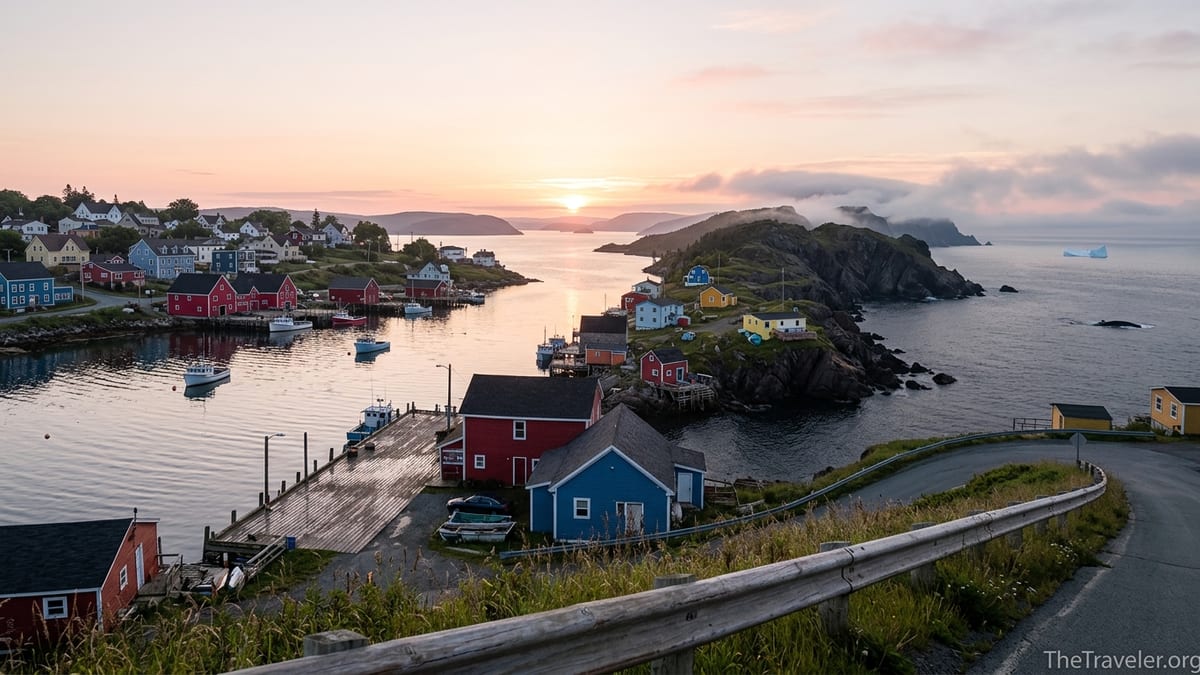
Overall Vibe: Gentle Maritime vs Raw Edge-of-the-World
Nova Scotia tends to feel softer and more compact. From Halifax you can reach most popular regions in three to four hours by car, whether it is the South Shore fishing villages around Lunenburg and Mahone Bay, the Bay of Fundy tides near Wolfville, or Cape Breton’s highlands. The province has a well developed highway network and a dense spread of small towns, motels and inns, which makes it easy to piece together a road trip with short daily driving distances and regular services.
Newfoundland and Labrador feels wilder and more remote. Once you disembark the ferry at Port aux Basques you still have a seven to eight hour drive to reach Gros Morne National Park, and another four to five hours beyond that to reach the Viking sites at L’Anse aux Meadows at the very tip of the Great Northern Peninsula. On the east coast near St. John’s, rugged cliffs, fog and wind dominate the mood, and you can drive for long stretches with only tiny outports and the occasional gas station. For many travelers that sense of reaching the end of the road is exactly the appeal.
In practical terms, Nova Scotia usually suits first time Atlantic Canada visitors, families with younger kids and travelers who want a mix of coast, culture and food without extremely long driving days. Newfoundland and Labrador is a better fit for people who love big landscapes, are comfortable with remote travel and want at least 10 to 14 days to do the island justice.
Road Trips and Dramatic Scenery
Nova Scotia’s signature drive is the Cabot Trail, a roughly 300 kilometre paved loop around northern Cape Breton Island that climbs along cliffs, cuts across highland plateaus and then drops down to fishing villages like Cheticamp and Ingonish. It is widely regarded as one of Canada’s classic coastal drives, with viewpoints such as Skyline Trail where a short hike brings you to boardwalks overlooking steep headlands and the Gulf of St. Lawrence. Many visitors base for two or three nights in Cheticamp or Ingonish so they can break the loop into shorter days and add hikes and whale watching.
Outside Cape Breton, Nova Scotia offers gentler but still scenic routes. The Lighthouse Route between Halifax and Yarmouth strings together Peggy’s Cove, Chester, Mahone Bay and Lunenburg, with constant coastal glimpses and frequent spots to pull over for lobster rolls or fish and chips. The Evangeline Trail along the Bay of Fundy between Wolfville and Digby swaps cliffs for fertile farmland and vineyards, with tidal viewpoints near Burntcoat Head and Blomidon. These drives are rarely empty of traffic, but the scenery is consistently pleasant and easy to access.
Newfoundland and Labrador’s marquee road trips feel more like expeditions. The drive from Port aux Basques to Gros Morne follows the Trans Canada Highway through interior barrens and mountains before dropping toward the fjord-like arms of Gros Morne itself. Within the park, side roads lead to communities like Norris Point and Rocky Harbour, framed by steep cliffs, sea stacks and inland fjords. North of the park, the Viking Trail runs up the Great Northern Peninsula, passing places like Port au Choix and St. Anthony with sweeping views of the Strait of Belle Isle and, in early summer, occasional icebergs drifting offshore.
On the Avalon Peninsula around St. John’s, routes like the Irish Loop and the drive to Cape Spear combine waves crashing against cliffs, sea bird colonies and tiny coves with colourful wooden houses. Compared with Nova Scotia, the scenery in Newfoundland and Labrador is usually more rugged and exposed, skies change quickly and weather is part of the show. Drivers should be prepared for fog, wind and long gaps between fuel stops, but the payoff is a feeling of being in one of the least crowded coastal landscapes in North America.
Wildlife, Icebergs and Coastal Towns
Nova Scotia offers reliable but generally modest wildlife viewing. Between late spring and early fall, whale watching tours from places like Pleasant Bay on the Cabot Trail or Brier Island in the Bay of Fundy commonly report minke and humpback whales, with occasional fin and pilot whales. Seabirds, bald eagles and seals are frequent sights on coastal hikes such as the Skyline Trail or Cape Split near Wolfville. While moose populations in Cape Breton Highlands National Park have declined from previous peaks, patient hikers still sometimes spot them at dusk in interior bogs and along less traveled trails.
Newfoundland and Labrador is famous for bigger wildlife moments. The island sits under major whale migration routes, and boat tours from Trinity, Twillingate and St. Anthony often see multiple humpbacks feeding near shore in June and July. Puffins nest on offshore islands near Elliston and Witless Bay, where thousands of birds wheel overhead and perch on grassy cliffs. In spring and early summer, icebergs drifting down from Greenland and Labrador often pass close enough to shore that you can watch them from coastal headlands or even from your hotel window in places like Twillingate or St. Anthony.
When it comes to towns, Nova Scotia excels at accessible, polished coastal communities. Lunenburg, a UNESCO listed old town, is an easy 90 minute drive from Halifax and has brightly painted wooden houses, a working harbour and a cluster of independent restaurants, cafes and small inns. Mahone Bay and Chester feel similar but quieter, with artisan shops and sheltered harbours dotted with sailboats. On Cape Breton, Baddeck provides a tidy lakeside base with multiple hotels and B&Bs while still feeling like a real community rather than an open air museum.
Newfoundland and Labrador’s coastal towns tend to be smaller and more rugged, often clinging to steep coves or open headlands. Outports like Quidi Vidi near St. John’s, Trinity in Trinity Bay, and Bonavista on the Bonavista Peninsula have become favourites with travelers for their colourful houses, walking trails and growing selection of cafes and accommodations. Yet even in these more developed communities, it is common to find working fish plants, stacks of lobster pots and residents chatting on wharves. The atmosphere is less polished than Nova Scotia’s South Shore but can feel more authentic if you are looking for traditional Atlantic fishing culture.
Hiking, Outdoor Adventure and Seasonality
Both provinces are strong hiking destinations, but the character of the trails differs. Nova Scotia’s Cape Breton Highlands National Park offers a good blend of short scenic walks and moderate day hikes, from the popular Skyline Trail to beach walks at Ingonish and more forested loops inland. On the mainland, hikes to Cape Split, Taylor Head and Kejimkujik National Park’s coastal adjunct mix forest and headland views without extreme elevation gain. For most visitors with average fitness, it is easy to fill a week with two to three hour hikes and still have energy left for dinners and drives.
Newfoundland and Labrador rewards travelers who want more demanding terrain. Gros Morne National Park is known for full day hikes such as Gros Morne Mountain, which climbs to sweeping views over barren plateau and fjords, and the Western Brook Pond area, where a boat tour brings you into a landlocked freshwater fjord framed by 700 metre cliffs that invite further exploration. On the East Coast, sections of the East Coast Trail near St. John’s offer clifftop walking, sea stacks and sea bird colonies, with some routes involving steep descents and rugged footing. Serious multi day hikers often target the Long Range Traverse in Gros Morne, a backcountry route that requires navigation skills and permits.
Weather and seasonality matter in both provinces. Nova Scotia’s main season typically runs from June through October, with July and August the warmest and busiest. Coastal areas are cooler than inland Canada but still see pleasant beach days, especially on the Northumberland Shore. Fall brings colourful foliage on the Cabot Trail and somewhat lower prices outside peak weekends. Newfoundland and Labrador’s useful season is shorter. Many accommodations in smaller towns operate roughly from June to September, sometimes May to early October near St. John’s. Spring and early summer are best for icebergs, while whales and puffins peak a bit later. Fog, strong wind and cool temperatures can occur at any time, even in midsummer, so layers and flexibility are essential.
Getting There, Ferries and On-the-Ground Logistics
Nova Scotia is generally easier and cheaper to reach. Halifax Stanfield International Airport functions as a regional hub with frequent flights from Toronto, Montreal, western Canada and several U.S. cities, plus regular service to St. John’s in Newfoundland. Typical off peak economy fares between Halifax and major Canadian cities can sometimes dip into the low to mid 300 Canadian dollars range one way on full service airlines, and lower on discount carriers when sales are available. For road trippers from Ontario and Quebec, Nova Scotia is reachable in two to three days of driving, with well spaced services en route.
Newfoundland and Labrador requires either a ferry or a flight. The main Marine Atlantic ferry route connects North Sydney in Cape Breton with Port aux Basques on the southwest corner of Newfoundland. Recent federal decisions have cut passenger and passenger vehicle fares by about half compared with earlier levels, making it more affordable for families and RV travelers. As a rough example, a one way adult passenger fare on the Port aux Basques route is in the low twenties in Canadian dollars before cabins or seats, and vehicles such as standard cars and small RVs pay separate fees that vary by length. An alternate, longer seasonal route runs from North Sydney to Argentia on the Avalon Peninsula, closer to St. John’s, which cuts driving but requires a longer and typically more expensive crossing.
On both routes, cabins sell out quickly in peak season. Travelers bringing vehicles for July or August crossings often book several months ahead to secure their preferred sailings, then adjust later if plans change. Reclining seats and open deck access remain for those who book later, but this can lead to a rougher crossing on overnight sailings. For many visitors, the ferry becomes part of the adventure, with the chance to watch the coastline recede and sometimes spot whales or seabirds from deck.
Once on the ground, Nova Scotia’s road network is forgiving. Major highways are in decent condition and most popular destinations are within a four hour drive of Halifax. Gas stations, ATMs and grocery stores appear regularly, and it is usually possible to book rooms only a few days in advance outside absolute peak weekends. In contrast, Newfoundland and Labrador requires more planning. Long distances between communities mean you should keep the tank topped up, and some stretches of highway have little cellular coverage. In regions like the Great Northern Peninsula, accommodations are limited enough that many travelers reserve rooms months ahead, especially in small towns such as Rocky Harbour, Norris Point, Trinity and Twillingate in July and August.
Hotels, Inns, Camping and Overall Costs
Accommodation prices in Nova Scotia have been rising in step with tourism growth. Provincial data in recent years has placed average hotel room rates around the low 200 Canadian dollar mark per night, with Halifax and peak summer periods often higher. In practice, summer visitors can expect a midrange chain hotel room in Halifax or near the Halifax airport to cost roughly 220 to 260 Canadian dollars per night including taxes, while independent inns in Lunenburg, Wolfville or Baddeck often charge in a similar or slightly higher range for character properties in historic buildings. Budget friendly motels along the Trans Canada Highway or in smaller inland towns still exist, often around 130 to 180 Canadian dollars per night depending on season.
Newfoundland and Labrador sees similar or slightly higher prices in its most popular areas, especially because the supply of rooms is limited. In Gros Morne, for example, basic hotel or lodge rooms in July routinely price in the 220 to 280 Canadian dollar range, with waterfront or cabin style accommodations higher. In small scenic towns like Trinity, Bonavista or Twillingate, character inns, vacation homes and bed and breakfasts are common, and peak season rates can feel high relative to the simple structures on offer. Travelers willing to stay a short drive outside the busiest villages sometimes find better value in neighbouring communities with fewer views but more availability.
Food and general expenses are similar in both provinces, since everything from produce to building materials must be moved long distances. Casual sit down restaurants in tourist towns commonly charge in the mid twenties Canadian dollars for a main course such as fish and chips or pan fried cod, while higher end seafood restaurants in Halifax, St. John’s or Lunenburg may charge significantly more. Groceries and gas tend to be slightly more expensive in Newfoundland and Labrador due to transportation costs and lower population density, which adds up on long road trips.
Camping can help manage costs in both provinces. Nova Scotia’s provincial and national park campgrounds around Cape Breton Highlands, Kejimkujik and along the Fundy shore offer serviced and unserviced sites at rates that are often under 50 Canadian dollars per night for an unserviced tent pad, plus park entry fees. In Newfoundland and Labrador, campgrounds in Gros Morne and along the coast provide both tent and RV sites, though some fill quickly in July and August. For many travelers, a mix of occasional hotel nights with primarily camping can make longer trips to Newfoundland and Labrador more affordable, especially for families.
Who Should Choose Nova Scotia?
Nova Scotia is usually the better choice for travelers who want a manageable introduction to Atlantic Canada with shorter drives, more services and a smoother logistics curve. It works particularly well for one week itineraries built around easy loops. For instance, a seven day trip might start with two nights in Halifax for city exploring, then two nights on the South Shore in Lunenburg for colourful harbour views and seafood, followed by three nights on Cape Breton to sample a portion of the Cabot Trail and maybe squeeze in a whale watching tour from Cheticamp. Daily driving times can often be kept under three hours.
Families with younger children often appreciate Nova Scotia’s predictable infrastructure. Many communities offer playgrounds, accessible beaches and short, well maintained trails. The beaches along the Northumberland Strait warm up enough in mid summer for comfortable swimming, and the Bay of Fundy provides low risk, high reward experiences like watching the tide come in at viewing platforms near Burntcoat Head or walking on the ocean floor at low tide near Parrsboro. Halifax itself supplies museums, a boardwalk and easy dining options that can anchor the beginning or end of a trip.
Nova Scotia is also a good match for travelers interested in food, wine and culture as much as scenery. The Annapolis Valley vineyards near Wolfville host tastings and vineyard lunches, while Halifax has a growing restaurant scene and lively but manageable nightlife. History enthusiasts can explore sites like Fortress of Louisbourg on Cape Breton or the historic waterfront in Halifax without needing to commit to multi day hikes or remote drives.
Who Should Choose Newfoundland and Labrador?
Newfoundland and Labrador is best for travelers who relish remoteness and do not mind long drives to reach special places. If the idea of a 12 to 14 day itinerary that includes both the west and east coasts appeals to you, this province can deliver a string of unforgettable landscapes. A classic loop might include several nights in Gros Morne for fjords and mountains, a few days along the Great Northern Peninsula to look for icebergs and visit the Viking site at L’Anse aux Meadows, and then a flight or long drive to the Avalon Peninsula to walk sections of the East Coast Trail and visit St. John’s, Cape Spear and small fishing communities like Petty Harbour.
Wildlife and iceberg seekers will also find more dramatic encounters here. The chance of seeing icebergs from shore in late spring, multiple whales feeding near cliffs in early summer and thousands of puffins nesting on grassy islands is significantly higher in Newfoundland and Labrador than in Nova Scotia. Photographers often plan trips around these seasonal phenomena, accepting that fog or rain may obscure views on some days in exchange for the possibility of unique images when the weather clears.
Travelers who value a sense of traditional culture may favour Newfoundland and Labrador as well. Local music sessions in pubs, kitchen parties, strong regional dialects and the custom of “screeching in” visitors with a local rum ceremony all contribute to a distinct sense of place. While Nova Scotia certainly has its own strong cultural identity, particularly in Acadian and Gaelic communities, Newfoundland and Labrador’s relative isolation has preserved a number of traditions that feel different from the Canadian mainland.
The Takeaway
There is no single right answer to the question of whether Nova Scotia or Newfoundland and Labrador is better. Both share dramatic Atlantic coastlines, friendly communities and long summer evenings where the light lingers over the water. The differences come down to scale, remoteness and emphasis. Nova Scotia is compact, easier to reach and more forgiving for first timers and shorter trips. Newfoundland and Labrador is larger, wilder and better suited to travelers who are happy to trade convenience for raw landscapes, wildlife and a strong sense of reaching the ends of the earth.
If you have only a week, want to minimize logistics and still taste Atlantic Canada’s highlights, Nova Scotia is usually the smarter commercial decision. If you can spare two weeks, are comfortable booking ferries and remote accommodations well ahead, and dream of icebergs, puffins and empty roads, Newfoundland and Labrador is likely to feel more rewarding. Some travelers ultimately split the difference by flying into Halifax, sampling the city and coastal Nova Scotia for several days, then catching the ferry or a short flight onward to St. John’s for a concentrated taste of Newfoundland before flying home. Over time, the real answer for many becomes simple. Start with Nova Scotia to fall in love with the region, then graduate to Newfoundland and Labrador when you are ready to go further.
FAQ
Q1. Is Nova Scotia or Newfoundland and Labrador better for a one week trip?
For one week, Nova Scotia usually works better because distances are shorter, logistics are easier and you can comfortably combine Halifax, the South Shore and part of Cape Breton without rushing.
Q2. Which province has more dramatic scenery?
Both are scenic, but Newfoundland and Labrador feels more dramatic overall, with steeper cliffs, fjord like landscapes in Gros Morne and frequent icebergs and fog on exposed coasts.
Q3. Where is it cheaper to travel, Nova Scotia or Newfoundland and Labrador?
Base prices for hotels and meals are similar, but Newfoundland and Labrador can feel slightly more expensive once you add ferry costs, longer drives, higher fuel use and limited budget options in remote areas.
Q4. Do I need to book the Marine Atlantic ferry far in advance?
In peak months such as July and August it is wise to book vehicle spots and cabins several months ahead, especially for overnight sailings or the longer seasonal Argentia route, to avoid being stuck with only reclining seats or less convenient departure times.
Q5. Which province is better for whale watching and puffins?
Nova Scotia offers solid whale watching, particularly around Cape Breton and the Bay of Fundy, but Newfoundland and Labrador generally provides more dramatic chances for humpbacks, puffins and other seabirds in season.
Q6. Is driving in Newfoundland and Labrador difficult?
The roads themselves are generally fine, but distances are long, services can be sparse and weather can change quickly, so drivers need to plan fuel stops, watch for moose and be comfortable with remote conditions.
Q7. Can I visit both Nova Scotia and Newfoundland and Labrador in one trip?
Yes, if you have at least 12 to 14 days you can combine a few days in Halifax and coastal Nova Scotia with time in Gros Morne or around St. John’s, linked by the Marine Atlantic ferry or a short regional flight.
Q8. Which province is better for families with young children?
Nova Scotia generally suits families better, thanks to shorter driving days, more playgrounds and beaches near towns, and easier access to medical services, grocery stores and family friendly accommodations.
Q9. When is the best time to see icebergs in Newfoundland and Labrador?
Icebergs are most commonly seen in late spring and early summer, typically from May into early July along coasts such as the Great Northern Peninsula and parts of the northeast coast.
Q10. If I love food and culture as much as scenery, where should I go first?
Nova Scotia and Newfoundland and Labrador both offer strong culinary and cultural experiences, but many travelers start with Halifax, the Annapolis Valley and Lunenburg in Nova Scotia for an easier mix of dining, wine, history and coastal views, then plan a later trip focused on St. John’s and traditional outports in Newfoundland and Labrador.