


Atlantic Canada is built for slow travel. Rugged cliffs, tiny fishing villages, empty beaches and whale rich bays are stitched together by some of North America’s most rewarding coastal drives. The challenge is not whether to go, but how to choose between Halifax, Cape Breton, the Bay of Fundy, Prince Edward Island, Saint John, Charlottetown, St. John’s, Gros Morne and the smaller communities in between. This guide compares the region’s headline destinations to help you match the right mix of scenery, wildlife, family friendly activities, romantic escapes and road trip potential to your style of travel.
How to Choose Your Atlantic Canada Base
Most first trips to Atlantic Canada start in Halifax or St. John’s, the two main air gateways. Halifax pairs easily with Cape Breton, the Bay of Fundy and Prince Edward Island by rental car, often in a one to two week loop that costs roughly the same as a typical North American coastal road trip. Expect compact car rentals from Halifax Stanfield International Airport to run at a similar rate to large US cities in high season, with prices rising in July and August and dropping noticeably in shoulder seasons like June and late September. St. John’s, on the other hand, is the natural starting point for a Newfoundland focused trip, especially if you want to reach Gros Morne without a long ferry crossing.
Think about your priorities before locking in flights. If dramatic mountain framed coastline and an iconic driving route are your dream, build around Cape Breton’s Cabot Trail, which loops almost 300 kilometres around the northern end of the island and is frequently described in Canadian tourism literature as one of the most scenic drives in the country. If you want to see the world’s highest tides and experience sea kayaking, mud flats and sculpted sea cliffs, the Bay of Fundy between Nova Scotia and New Brunswick belongs near the top of your list. For red sand beaches, warm water and family friendly cycling, Prince Edward Island offers a gentler, more pastoral feel.
Season matters as much as location. Late June through early October is peak time for most of Atlantic Canada, when coastal drives are snow free, seasonal restaurants are open, and whale watching boats and puffin tours are running daily. July and August are prime for warm water swimming and school holidays, while late September brings cooler temperatures, lower prices and fall colour on inland routes like Cape Breton’s highlands. Winter trips are possible in the cities, especially Halifax and St. John’s, but require more planning and are less suited to long coastal road trips.
Halifax & The South Shore: Urban Energy With Coastal Day Trips
Halifax works well for travellers who want a maritime city with easy day trips to classic postcard scenery. The waterfront boardwalk, stretching several kilometres from the Canadian Museum of Immigration at Pier 21 to casino and ferry terminals, has become one of the region’s liveliest urban spaces. In summer, food kiosks, patios and seasonal events like outdoor concerts and, more recently, major sports viewing parties transform the boardwalk into an evening promenade for both locals and visitors. Hotels cluster near the harbour and on nearby streets; you can walk from many downtown properties to the ferry to Dartmouth, the maritime museum or restaurants along the water in a matter of minutes.
From Halifax, the most famous day trip is Peggy’s Cove, about 45 minutes by car along coastal Highway 333. The white lighthouse perched on smooth granite is almost always busy on summer afternoons, but if you arrive before 9 a.m. or near sunset the village feels closer to the working community it still is. Continuing along the South Shore, places like Mahone Bay and Lunenburg tempt many travellers into a full overnight stop. Lunenburg’s colourful wooden houses, hilltop streets and working waterfront justify its UNESCO World Heritage status, and families will find simple pleasures like grabbing ice cream while watching scallop trawlers and dories dock and depart.
Halifax is also a flexible base for shorter road trips. A four day stay might pair two full days in the city, a day trip to Peggy’s Cove and the South Shore, and a day across the harbour exploring Dartmouth’s cafes and nearby beaches such as Lawrencetown for surfers. Couples often choose boutique hotels or newer harbourfront properties with spa facilities, combining restaurant hopping and craft breweries with short scenic drives. Families may prefer apartment style rentals in neighbourhoods like the North End, where playgrounds and grocery stores are within easy reach. For longer regional loops, many travellers collect a rental car only on the day they leave Halifax, relying on walking and public ferries for city sightseeing.
Cape Breton & The Cabot Trail: Atlantic Canada’s Iconic Road Trip
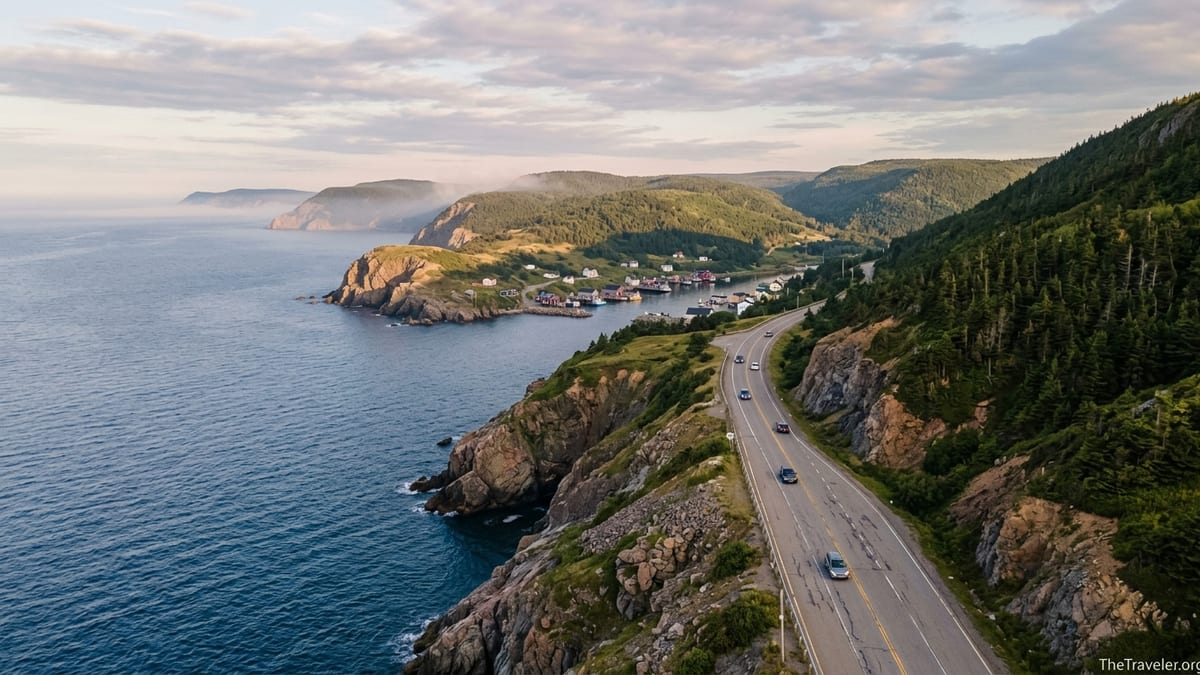
Cape Breton Island is where Atlantic Canada feels at its wildest. The Cabot Trail, a roughly 300 kilometre loop that climbs from sea level to high plateaus and back down to the sea, threads through Cape Breton Highlands National Park and passes small communities like Chéticamp, Pleasant Bay and Ingonish. Travel magazines regularly rank it among North America’s great coastal drives, and Parks Canada itself promotes itineraries that dedicate at least two or three days to the loop so visitors can pull over for viewpoints and short hikes instead of treating it as a single marathon drive.
For scenery, Cape Breton is hard to beat in this region. On the western side, between Chéticamp and Pleasant Bay, the road curls along steep cliffs with long views over the Gulf of St. Lawrence. On the eastern side, from Ingonish southward, forested mountains drop sharply to coves and beaches, and the road often feels like a balcony above the Atlantic. Signature hikes such as the Skyline Trail above French Mountain offer boardwalks over headlands where visitors commonly see whales far below and, with some luck, moose on the plateau. Other family friendly trails like Middle Head near Ingonish provide coastal views in under two hours of easy walking.
Practically, Cape Breton suits road trippers who are comfortable changing bases. Many itineraries begin with the drive from Halifax to Baddeck, a small lakeside town that serves as a natural gateway to the island and a base for visits to the Alexander Graham Bell National Historic Site. From there, travellers often spend one or two nights in communities around the Cabot Trail itself. Simple motels, cabins, inns and newer chalets have multiplied in recent years; in high season, advance reservations are crucial, especially during October’s Celtic Colours International Festival when music events on the island draw visitors from across Canada and abroad.
For couples, quiet inns in places like Ingonish or Margaree Forks provide access to beaches, golf courses and hiking with minimal driving once you arrive. Families may hunt for cottages with kitchenettes and nearby beaches so children can unwind after days in the car. Drivers should be prepared for steep grades, frequent photo stops and at least one full day on the road; many locals recommend allowing two or three days for the loop so you can break up driving with hikes, whale watching tours out of Chéticamp or Pleasant Bay, and small detours to places like the tiny community of Meat Cove at the northern tip of the island.
Bay of Fundy & Saint John: Tides, Whales and Coastal Villages
The Bay of Fundy, shared by Nova Scotia and New Brunswick, is not a single place but a whole region defined by extreme tides. Twice a day, water levels rise and fall by up to several storeys in some inlets, leaving boats sitting in mud at low tide and floating well above the harbour floor a few hours later. The New Brunswick city of Saint John, about 75 minutes’ drive from the US border at Calais, Maine, is the most practical urban base for exploring the northern side of the bay. Its compact uptown core has historic brick architecture, a lively city market and a harbour where industrial ships and cruise liners share the waterfront.
From Saint John, two Fundy experiences stand out. The first is the Reversing Falls Rapids, where the powerful tides reverse the flow of the Saint John River through a gorge. Viewing platforms show the difference between low and high tide, and jet boat tours operate in warmer months for travellers who want a more immersive experience. The second is the Fundy Trail Parkway, a scenic coastal drive east of the city that links viewpoints, beaches and short hiking trails along a once isolated stretch of the shore. Drivers pay a modest entry fee to access the parkway and can easily spend a full day stopping at lookouts, walking to waterfalls and picnicking on secluded beaches.
On the Nova Scotia side, the Bay of Fundy is best known for whale watching and dramatic coastal formations. Towns like Digby and Tiverton on the Digby Neck and Islands are departure points for summer whale watching tours, where visitors have good chances to see humpbacks, minkes and fin whales from late June through September. Farther up the bay, places such as Advocate Harbour and Parrsboro provide access to hiking trails with sweeping tidal views, sea kayaking outfitters and small inns that emphasise local seafood. Many visitors combine these with a stop at the famous flowerpot rock formations at Hopewell Cape in New Brunswick, timing their arrival to both walk on the sea floor at low tide and return later in the day to see the same cliffs surrounded by water.
For families, the Bay of Fundy’s tidal flats can be a highlight, but they require respect. Guided walks, often offered by local outfitters or parks staff at specific beaches, are the safest way to explore the mud flats and channels without risking getting stuck or caught by the returning tide. Couples may prefer to base themselves in a quiet village inn overlooking the water, spending days on short hikes and evening meals built around scallops, lobster or locally farmed mussels. As with much of Atlantic Canada, seasonal closures matter; many accommodations close from late fall through early spring, and some coastal roads can be fog prone in summer mornings.
Prince Edward Island & Charlottetown: Gentle Shores and Family Friendly Cycling
Prince Edward Island, Canada’s smallest province, offers a softer version of Atlantic Canada’s coastal landscape. Long, gently curving beaches, red sandstone cliffs and fields of potatoes and grain define the countryside. For families and relaxed travellers, the island’s smaller scale is a major advantage; you can drive from the Confederation Bridge in the south to the island’s northern tip in a few hours, and many visitors happily base themselves for a week in a rental cottage near Cavendish or Rustico without ever driving long distances.
Charlottetown, the island’s capital, is compact and walkable, with a historic centre that preserves 19th century streetscapes. During summer, outdoor patios, street performers and festivals bring energy to the waterfront and downtown parks. The city makes a sensible base for travellers who want a mix of dining, theatre and daytime beach trips. Families often divide their time between Charlottetown and the north shore beaches, visiting attractions tied to the island’s literary heritage and farm themed experiences popular with younger children.
Road trippers appreciate Prince Edward Island’s network of scenic drives, such as the North Cape Coastal Drive and the Points East Coastal Drive, which link fishing harbours, lighthouses and coastal viewpoints with frequent pullouts. The Confederation Trail, a rail trail converted into a crushed stone cycling route, runs the length of the island and branches out to various communities, making it easy to plan family friendly bike rides away from vehicle traffic. Many visitors rent bicycles in Charlottetown or Cavendish for half day or full day rides, combining the trail with stops at beaches and local ice cream stands.
For couples, Prince Edward Island can feel distinctly romantic in shoulder seasons like June and September, when temperatures are moderate and crowds thin but many inns and restaurants remain open. Smaller coastal communities such as Victoria by the Sea and Georgetown appeal to travellers who enjoy quiet evenings, galleries and seafood restaurants housed in heritage buildings. While the island lacks the mountainous drama of Cape Breton or Gros Morne, its sunsets over shallow coastal waters and quiet country roads lined with wildflowers make it a favourite for those who prefer soft, pastoral scenery and a slower pace.
Newfoundland’s St. John’s & Gros Morne: Wild Coasts and Serious Hiking
Newfoundland and Labrador feels more remote than the rest of Atlantic Canada, and both flight schedules and driving distances reflect that. St. John’s, perched on steep hills around one of the world’s most sheltered natural harbours, offers a vivid introduction to the province. Colourful row houses tumble down streets toward the waterfront, and windswept Signal Hill overlooks the narrows that ships navigate to reach the harbour. Cafes, pubs with live music and a growing food scene make the compact downtown an appealing base for city oriented travellers, while day trips to Cape Spear, the easternmost point in North America, deliver expansive Atlantic views and, in season, sightings of whales and seabirds from shore.
For wildlife, St. John’s is one of the best starting points in the region. Boat tours out of nearby harbours in summer focus on whales, puffins and other seabirds. When conditions cooperate in late spring and early summer, it is sometimes possible to see icebergs floating along the coast, remnants of Greenland glaciers carried south by the Labrador Current. Families can join half day trips that combine close up views of seabird colonies nesting on sea cliffs with educational commentary about marine ecology, while couples may opt for smaller vessels with fewer passengers for a quieter experience.
Gros Morne National Park, on Newfoundland’s west coast, is a different proposition. Recognised as a UNESCO World Heritage Site for its exposed geological features and fjord like landscapes, it appeals strongly to hikers and landscape photographers. Within the park, communities such as Rocky Harbour and Norris Point provide accommodation options ranging from simple motels to inns with views over Bonne Bay. Signature experiences include boat tours into Western Brook Pond, where sheer cliffs rise dramatically from a narrow inland fjord, and demanding hikes like the Gros Morne Mountain trail, which require good fitness, proper footwear and a full day of effort.
Reaching Gros Morne typically requires either a domestic flight to Deer Lake followed by a drive of about an hour to Rocky Harbour, or a long ferry crossing from Nova Scotia to western Newfoundland followed by several more hours on the highway. As a result, Gros Morne suits travellers with at least a week dedicated to Newfoundland alone or those on extended cross country road trips. For families, shorter coastal walks and guided boat trips can provide satisfying experiences without tackling the steepest trails. Couples who enjoy remote feeling landscapes will find that sunrise and sunset light on the park’s cliffs and inland plateaus live up to the province’s reputation for raw, untamed scenery.
Smaller Coastal Towns & Scenic Connectors
Beyond the headline destinations, Atlantic Canada’s character reveals itself in smaller towns and the roads that link them. In Nova Scotia, the Annapolis Valley combines orchards, vineyards and historic towns like Annapolis Royal with views over the Bay of Fundy. Travellers driving between Halifax and the Fundy shore often follow the Evangeline Trail, a route that parallels the bay while passing roadside farm stands and viewpoint pullouts. On Cape Breton, the Ceilidh Trail along the island’s western shore connects musical communities such as Mabou and Inverness, where traditional music sessions in local halls and pubs give visitors a window into Gaelic heritage.
In New Brunswick, coastal towns like St. Andrews by the Sea blend resort history with modern tourism. Grand historic hotels anchor the waterfront, while nearby nature reserves and boat tours focus on whales, seals and seabirds in the warmer months. The town’s walkable grid of streets, populated with galleries and cafes, makes it an appealing stop for couples and families alike, and its proximity to the US border makes it a frequent first or last stop for American motorists completing a Maritime loop.
Newfoundland’s smaller coastal outports, many reached by narrow branching roads from the main highways, offer a different sort of appeal. Here, pastel houses cling to rock slabs and small harbours shelter working fishing boats. For road trippers, these side trips mean adding an extra hour or two of driving to an already long day, but they deliver powerful impressions of how communities adapt to rough terrain and harsh weather. The Bonavista Peninsula and the Irish Loop south of St. John’s are two areas where such detours are particularly rewarding, with lighthouses, sea stacks and often excellent land based whale watching in summer.
These smaller destinations and connectors are where flexible itineraries shine. Travellers with rental cars and a willingness to adjust plans on the fly can respond to local advice, choosing to linger in a village because a whale watching operator reported good sightings the previous day or a local market is taking place that weekend. This kind of low key serendipity is part of what makes Atlantic Canada so satisfying for repeat visitors who have already ticked off the major highlights.
The Takeaway
Choosing the best places to visit in Atlantic Canada comes down to matching your priorities with the region’s varied landscapes. If you want big city energy with easy access to coastal villages, Halifax plus day trips to the South Shore might be your best starting point. For a classic scenic drive and mountain framed coastline, Cape Breton and the Cabot Trail reward travellers willing to devote several days to a single loop. Those drawn to tidal extremes and whale watching will find the Bay of Fundy and Saint John region compelling, while Prince Edward Island excels at gentle beaches and relaxed family cycling.
Newfoundland, with St. John’s and Gros Morne, suits travellers who seek wilder scenery and are prepared for longer travel days and more rugged hikes. Smaller coastal towns and scenic connectors throughout the region, from St. Andrews by the Sea to the Ceilidh Trail and Bonavista Peninsula, add texture to any itinerary and often deliver the most memorable unplanned moments. For couples, the region’s small inns and dramatic viewpoints make it easy to build a romantic escape, while families benefit from safe communities, outdoor activities scaled to all ages and driving days punctuated by beaches, lighthouses and ice cream stops.
However you assemble your trip, allow more time than you think you need for each segment. Roads are good but often winding, weather can change quickly along the coast, and nearly every bend in the highway seems to reveal another cove worth stopping to photograph. With a bit of advance planning and a willingness to slow down, Atlantic Canada offers some of the richest combinations of coastal towns, wildlife encounters, scenic landscapes and road trip adventures in North America.
FAQ
Q1. When is the best time of year to visit Atlantic Canada for a road trip?
For most travellers, late June to early October offers the best combination of open attractions, comfortable temperatures and clear roads. July and August are warmest and busiest, ideal for beach days and family trips, while September and early October bring fall colours on inland routes such as Cape Breton’s highlands and slightly lower prices on accommodation.
Q2. How many days do I need for a Halifax based trip that includes Cape Breton and the Bay of Fundy?
A comfortable loop that starts and ends in Halifax and includes Cape Breton’s Cabot Trail, at least one Bay of Fundy stop and possibly Prince Edward Island usually requires 10 to 14 days. With only a week, many travellers choose either Cape Breton or the Bay of Fundy rather than trying to fit both in, keeping driving days to four or five hours at most.
Q3. Is the Cabot Trail suitable for nervous drivers or families with young children?
The Cabot Trail is fully paved and regularly driven by local residents, tour buses and families, but it does include steep grades and curves along high cliffs. Nervous drivers should plan shorter daily distances, avoid night driving and allow plenty of time for breaks at lookouts. Families with young children often choose to stay two or three nights along the loop so each day includes limited driving and easy hikes.
Q4. Where are the best places in Atlantic Canada to see whales?
Reliable whale watching areas include the Bay of Fundy around Digby and St. Andrews by the Sea, the Cabot Trail communities of Chéticamp and Pleasant Bay on Cape Breton, and several coastal areas of Newfoundland including boat tours near St. John’s and parts of the west coast. Peak viewing typically runs from late June through September, depending on species and local conditions.
Q5. Is Prince Edward Island better for couples or families?
Prince Edward Island works well for both, but its gentle beaches, short driving distances and attractions geared to children make it especially appealing for families. Couples often prefer shoulder season visits in June or September, when they can enjoy quieter beaches, scenic drives and restaurant reservations without peak summer crowds.
Q6. How difficult are the hikes in Gros Morne National Park?
Gros Morne offers a range of hikes from short coastal walks on mostly level ground to demanding full day routes like Gros Morne Mountain. Casual walkers can enjoy boardwalks and coastal trails near Rocky Harbour and Norris Point, while experienced hikers with proper footwear, layers and navigation skills can tackle steeper, rockier terrain inland, always checking local conditions before setting out.
Q7. Do I need a car in Halifax or St. John’s, or only for the regional trip?
In both Halifax and St. John’s, many central hotels are within walking distance of key sights, restaurants and waterfront areas, so some travellers delay picking up a rental car until they leave the city. For coastal towns, national parks and smaller villages, however, a car is usually essential, as public transport options between rural communities are limited and schedules can be sparse.
Q8. What should I budget for accommodation in peak season?
Prices vary widely, but in July and August travellers can expect to pay mid range hotel rates in cities like Halifax, Saint John and St. John’s that are comparable to other Canadian regional capitals, with coastal inns and cabins often charging similar or slightly higher nightly rates for waterfront locations. Budget options include simple motels and campgrounds, while shoulder season in June and late September often brings discounted rates and more availability.
Q9. Are there good options for travellers who prefer not to hike?
Yes. Many of Atlantic Canada’s highlights are visible from scenic drives, short boardwalks and boat tours that require minimal walking. The Cabot Trail, Fundy Trail Parkway, Prince Edward Island’s coastal drives and Gros Morne’s Western Brook Pond boat tour can all be enjoyed with short, mostly flat walks from parking areas, making them suitable for travellers who prefer gentle activity.
Q10. How far in advance should I book for summer travel in Atlantic Canada?
For July and August trips, especially those including Cape Breton’s Cabot Trail, Prince Edward Island’s north shore or Gros Morne National Park, booking key accommodations three to six months ahead is wise. Ferry crossings to Newfoundland, whale watching tours and popular small inns can also sell out in peak weeks, while shoulder season visitors can often book with far less notice.