


Western Canada can feel overwhelming on a first trip. Within one region you have a world class Pacific city, surf beaches, wine country, and some of the most dramatic mountains on earth. This guide compares the major destinations many travelers weigh up on a first or second visit to Western Canada, using real world examples, recent logistics and typical prices to help you decide where to go for cities, mountains, wildlife, beaches, couples getaways and family trips.
How to Choose Your Western Canada Route
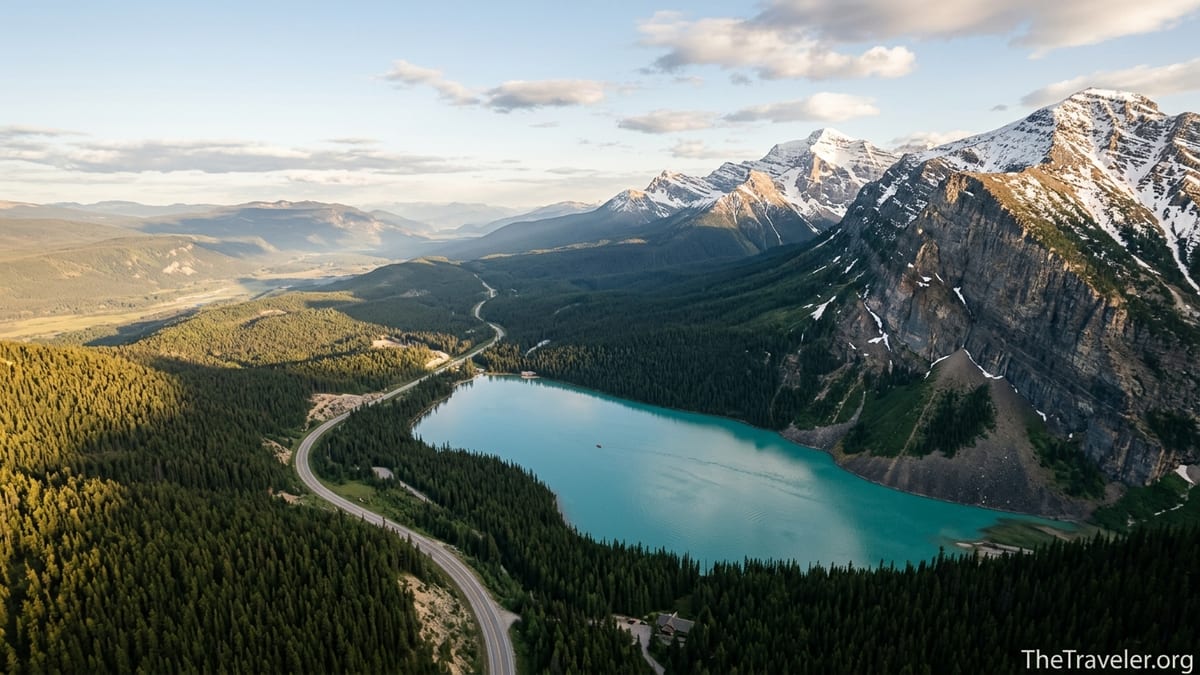
Most classic Western Canada trips follow a broad arc between the Pacific coast and the Rocky Mountains, typically starting in Vancouver or Calgary and then linking key stops such as Vancouver Island, Whistler, the Okanagan Valley, Banff, Lake Louise and Jasper. Many 10 to 14 day itineraries use some version of this route, for example Vancouver to Whistler via the Sea to Sky Highway, then across interior British Columbia to the Rockies and finishing in Calgary. This combination gives a sample of almost everything the region is known for: an urban gateway, coastal scenery, wine country, alpine hiking, turquoise lakes and wildlife viewing.
Your main constraints are time, budget and driving tolerance. A realistic two week trip that includes both the coast and Rockies usually involves at least four hotel or rental changes and several 4 to 6 hour driving days. By contrast, if you have only 7 to 9 days, many experienced travelers now recommend focusing either on the Rockies from Calgary or on the coast around Vancouver and Vancouver Island, rather than trying to do everything at once. This reduces time spent in the car and can free up money for guided tours, whale watching or glacier experiences.
Season matters as much as geography. July and August bring the most reliable hiking and lake conditions in the Rockies, but also the highest prices and sold out shuttles to famous spots like Lake Louise and Moraine Lake, where advance reservations are now required for Parks Canada buses. Shoulder months like June and September can be ideal for couples interested in hiking and quieter trails, while late May and early October suit city based trips that emphasize Vancouver, Victoria, wineries in the Okanagan and short scenic drives over big mountain days.
Before locking flights, decide which “pillar” of Western Canada matters most for your group: city and food scene, wine and lakes, or mountains and wildlife. Families with younger children often do best picking two bases such as Vancouver plus Banff or Kelowna plus Jasper and staying three or four nights in each. Couples willing to change hotels more often can cover more ground with shorter stays, but it is usually wise to allow at least two nights at truly iconic spots like Banff or Jasper to cope with weather variability and busy days.
Vancouver: Urban Gateway With Beaches and Mountains
Vancouver is the primary international gateway to Western Canada and the most logical starting point for coast focused trips. It combines a dense downtown of glass towers with accessible nature: Stanley Park’s seawall loop, North Shore mountains and beaches at English Bay and Kitsilano. For many travelers, two or three full days is enough to walk the seawall, ride the small passenger ferry across False Creek, sample food at Granville Island Public Market and take a day trip to Capilano Suspension Bridge or the free Lynn Canyon suspension bridge area.
Accommodation in peak summer typically ranges from about 250 to 350 Canadian dollars per night for mid range downtown hotels and can easily exceed that for harbor view properties. To keep costs down, some families base themselves in neighborhoods like Burnaby or North Vancouver where chain hotels and apartment rentals are more affordable, then use the SkyTrain or local buses to reach downtown. A couple staying three nights might reasonably budget 800 to 1000 Canadian dollars for lodging alone in July, plus daily transit passes or rideshares.
Vancouver is especially strong for food, urban walking and light outdoor activities. Visitors commonly combine sushi dinners on Robson Street or in the West End with sunset strolls along English Bay Beach, or rent bicycles to complete the 10 kilometer Stanley Park loop. With mountains so close, it is easy to add a gondola ride on Grouse Mountain or a hike on nearby trails if you want a taste of elevation without committing to a long Rockies drive. For travelers mainly interested in cities and moderate nature, a week that includes Vancouver, Victoria and a night in Whistler can feel more balanced than pushing all the way to Alberta.
On the downside, Vancouver itself does not offer the dramatic glacial lakes or consistent wildlife viewing of the Rockies, and in late fall or winter it can be very wet. If your primary dream images are of emerald lakes and towering peaks, you will still want to pair Vancouver with Banff and Jasper or consider flying into Calgary instead. But as a soft landing after a long flight and a base for coastal excursions, Vancouver belongs on almost every Western Canada short list.
Victoria and Vancouver Island: Harbors, Whales and Wild Pacific Shores
Victoria, on the southern tip of Vancouver Island, appeals to travelers who prefer walkable harbor cities and milder weather. The Inner Harbour area condenses many of the city’s main sights, including the Legislative Buildings and the Fairmont Empress hotel, into a compact waterfront area that feels relaxed compared with downtown Vancouver. Many visitors spend one or two nights here, strolling the harbor, joining an afternoon whale watching trip in search of orcas and humpbacks, and visiting Butchart Gardens on a half day excursion.
Reaching Victoria from Vancouver involves a ferry crossing of roughly 1.5 hours between Tsawwassen and Swartz Bay. As of recent fare schedules, a typical one way crossing for a driver and standard vehicle is on the order of tens of dollars, with an additional foot passenger charge per person. Families who walk on without a car and rely on shuttle buses into Victoria can reduce costs but trade away flexibility. Because summer sailings often sell out at peak times, it is wise to book a specific departure in advance when traveling in July and August.
Beyond Victoria, Vancouver Island offers very different experiences. The Pacific Rim region around Tofino and Ucluelet is known for surf beaches, storm watching in winter and relaxed coastal lodges. Reaching this area from Nanaimo or Victoria involves a twisty 3 to 4 hour drive across the island, so many travelers dedicate three or four nights here to make the journey worthwhile. Activities include beginner surf lessons on Chesterman or Cox Bay, black bear watching by boat in Clayoquot Sound, and easy rainforest boardwalk hikes in Pacific Rim National Park Reserve.
For couples, a common coast focused itinerary is three nights in Vancouver, two nights in Victoria, and three or four nights near Tofino, mixing city dining with quiet nights in a cabin overlooking the ocean. Families with kids might simplify to Vancouver and Victoria only, or replace Tofino with Parksville and Qualicum Beach on the island’s east coast, where calmer waters and shallower sandy beaches suit young children. Compared with the Rockies, Vancouver Island requires more planning around ferry times but offers a softer, more temperate take on Western Canada that is attractive outside the short summer peak.
Whistler and the Sea to Sky: Mountain Resort Without the Extreme Weather
Whistler, reached by driving the scenic Sea to Sky Highway north from Vancouver, provides a mountain resort experience with excellent infrastructure and a compact pedestrian village. In summer, the area is all about hiking, mountain biking, lake swimming and alpine sightseeing via the gondola system that links Whistler and Blackcomb mountains. A typical summer visitor might spend two or three nights here, riding the Peak 2 Peak gondola one day, renting stand up paddleboards at one of the valley lakes the next, and enjoying dinners on the main village square.
Price wise, summer Whistler sits between the coast cities and the national parks. In July, mid range hotel rooms in the main village often run around 250 to 350 Canadian dollars per night, with shoulder season deals outside school holidays. Budget conscious travelers sometimes choose condo style properties with kitchens in the Creekside area or in nearby Pemberton, about 30 minutes away, trading proximity for lower rates and easier parking.
Whistler is not a substitute for the Canadian Rockies, but it is a strong option for travelers who want alpine scenery and village life without committing to the longer drive to Banff and Jasper. It is especially good for active families, with options such as zipline tours, beginner friendly hiking trails like the Lost Lake loop, and easy half day drives to attractions like Brandywine Falls. For couples, the village’s restaurants and spas, along with boutique hotels tucked just off the main squares, make it an appealing long weekend destination tied to Vancouver.
One practical consideration is that Whistler works best combined with either Vancouver alone or a limited selection of other stops. Trying to add Whistler, Vancouver Island and the Rockies into a single 10 day trip will leave you spending more time on highways than outdoors. If your priority is a mix of city and mountain resort and you are short on days, a loop between Vancouver and Whistler with one ferry trip to Victoria can offer a satisfying slice of Western Canada without the long eastward push.
Okanagan Valley: Lakes, Wineries and Warm Summers
The Okanagan Valley, centered on cities such as Kelowna and Penticton, offers a very different side of Western Canada. In summer it is one of the country’s warmest regions, with vineyards lining the hillsides and long, narrow lakes where locals spend afternoons on rented pontoon boats or at public beaches. It fits naturally into a road trip between Vancouver and the Rockies and is particularly attractive to couples, groups of friends and families who enjoy slower paced days on the water.
Kelowna, the largest city in the region, works well as a base. Visitors commonly spend two or three nights here, splitting time between wine tasting at well known estates on the Westside Wine Trail or along the Naramata Bench near Penticton, and relaxed beach time at spots like Gyro or Rotary Beach. Many wineries operate tasting rooms where you can sample several wines for a modest fee, often waived with bottle purchases, though it is important to designate a driver or join an organized tour that handles transport between stops.
Accommodation costs in peak summer reflect the valley’s popularity with both regional visitors and long distance road trippers. Mid range hotels in Kelowna in July and August often start around 220 to 260 Canadian dollars per night, with lakefront resorts and house rentals commanding significantly more. Budget minded travelers sometimes stay in smaller communities along the lakes or at campgrounds and then drive into Kelowna or Penticton for day visits. Grocery shopping and cooking some meals can help balance out higher nightly rates, especially for families.
The Okanagan makes most sense for travelers who value warm weather and relaxing by the water as much as high mountain scenery. It is less essential if your time is very limited and your priority is to see the Rockies. However, on a two week July trip starting in Vancouver, many travelers now choose to drive to Kelowna for two nights, continue via Revelstoke into Banff and Jasper, then fly home from Calgary. This pattern spreads driving days more evenly, breaks up the mountainous section of the trip, and adds a region that feels almost Mediterranean in mid summer.
Calgary, Banff, Lake Louise and Jasper: Iconic Rockies, Lakes and Wildlife
For many visitors, the heart of a Western Canada trip lies between Calgary and Jasper, anchored by Banff National Park, Lake Louise and the Icefields Parkway. Calgary itself is a modern prairie city that serves primarily as a flight hub and quick stopover. Travelers often spend one or two nights here to adjust to time zones, visit the Calgary Tower or the National Music Centre, and then pick up a rental car for the two hour drive to Banff. During the Calgary Stampede in early July, hotel prices spike dramatically, so advance booking or date flexibility is important if you are passing through then.
Banff townsite, surrounded by peaks yet offering a main street lined with restaurants, outdoor stores and cafes, functions as the most versatile base in the Rockies. Many families choose to stay three or four nights here, taking day trips to Lake Minnewanka, Johnston Canyon or Sunshine Meadows. Roam Public Transit and Parks Canada shuttles now link Banff to key trailheads, allowing visitors without cars to reach some popular spots. In high season, a couple can expect to pay 300 to 450 Canadian dollars per night for a well located Banff hotel, with more modest options in nearby Canmore about 20 minutes away.
Lake Louise and Moraine Lake, about 40 to 50 minutes from Banff, are among the most photographed lakes in the world. In recent years, private vehicles have been restricted from Moraine Lake and parking at Lake Louise is very limited, so most visitors now access both lakes by shuttle or tour bus. Parks Canada’s own shuttle system operates from a park and ride near the Lake Louise Ski Resort, with reservations opening in spring and required for travel on specific dates and time slots. Advance planning several months ahead is strongly advised for July and August, as recent seasons have seen shuttle seats sell out quickly and same day availability can be very limited.
North of Lake Louise, the Icefields Parkway to Jasper offers 230 kilometers of some of the most beautiful highway driving in the world, passing viewpoints, short hikes and access to experiences near the Columbia Icefield. Many itineraries allocate at least one night in Jasper to break the drive, with two or three nights allowing time to explore Maligne Lake, Pyramid Lake and surrounding wildlife viewing areas. Moose, elk and bears are regularly seen from roadsides, particularly at dawn and dusk, although encounters are never guaranteed and visitors must follow Parks Canada guidance for safe distances.
Typical peak season lodging in Jasper for standard hotels or cabin complexes often falls in the 280 to 380 Canadian dollar range per night, though prices and availability vary widely. Camping is also popular, with Parks Canada reservation systems opening months in advance and prime spots along lakes selling out quickly. Given the intense demand for Banff and Jasper in July and August, many travelers now book accommodation and key shuttles 6 to 9 months ahead, then fill in details like rafting trips or canoe rentals closer to departure depending on weather forecasts.
Matching Destinations to Couples, Families and Travel Styles
Different Western Canada destinations suit different traveler profiles, and tuning your route to your specific group can make the difference between a rushed, stressful trip and a memorable one. Couples in their 30s and 40s who prioritize hiking, photography and quiet evenings might favor a Calgary to Calgary or Calgary to Vancouver route with multiple nights in Banff, Lake Louise or Canmore, plus Jasper and perhaps one stop in the Okanagan on the way to or from the coast. They may choose boutique lodges with hot tubs, sunrise photography at lakes, and one splurge dinner in Banff or Vancouver rather than moving every day.
Families with school age children often benefit from longer stays in fewer bases, keeping packing simple and reducing time in the car. A practical 12 day family trip might involve three nights in Vancouver for the aquarium and Stanley Park, three nights in Kelowna for beach days and paddleboard rentals, four nights in Banff or Canmore for gondola rides and easy hikes, and a final night in Calgary near the airport. In each base, parents can intersperse kid friendly activities such as gondola rides, lake swims and wildlife viewing with quieter at hotel pool afternoons rather than spending every other day driving.
Travelers who dislike crowds or strict reservations might find summer in Banff and Lake Louise frustrating and instead prefer late spring or fall or an emphasis on less intense areas like Vancouver Island, the Sunshine Coast or interior towns such as Revelstoke and Nelson. By visiting in late May or late September, they can often secure more flexible last minute hotel options, find parking at popular trailheads more easily and still enjoy many hikes, though some high elevation routes may have lingering snow and lake colors can be more muted earlier in the season.
Budget also shapes destination choice. A trip that focuses only on Vancouver, Victoria and perhaps Tofino may allow for more modest nightly hotel costs outside peak school holidays and lower transportation expenses if you rely more on ferries, local buses and occasional rideshares instead of a long rental car itinerary across provinces. Conversely, a Rockies focused trip often requires a car for at least part of the time and commands higher nightly rates in Banff and Jasper, but rewards visitors with world class scenery that does not exist elsewhere. Choosing two primary regions that fit your style and budget is usually better than choosing four you can only sample in passing.
The Takeaway
Western Canada is not a single destination but a mosaic of very different landscapes, cities and travel experiences, from Vancouver’s urban beaches and bike friendly seawalls to the Okanagan’s sun baked lakes and vineyards and the high drama of the Rockies near Lake Louise and Jasper. The best place to visit depends less on guidebook rankings and more on what you want to feel each day of your trip: the pulse of a city, the stillness of a turquoise lake at sunrise, the warmth of a vineyard patio, or the crash of Pacific surf outside a coastal cabin.
For a first trip with 10 to 14 days, many travelers find that combining one city region with one mountain region works best. A classic choice is Vancouver and Vancouver Island paired with Banff and Jasper, or Vancouver and Whistler paired with a Rockies section reached via the Okanagan Valley. If you have less than 9 days, consider focusing on either the coast or the Rockies alone to avoid spending too much of your holiday in transit. Decide early what matters most for your group, look at realistic driving times and recent seasonal patterns, and then reserve key elements such as Rockies accommodation and lake shuttles several months in advance.
By matching destinations to your interests and travel style rather than trying to tick every famous name, you can build a Western Canada itinerary that balances big scenery with the simple pleasures of lingering in a favorite café, swimming in a surprisingly warm lake or watching harbor lights reflect off calm water at the end of the day. Whether you end up in Vancouver’s West End, on a dock in Kelowna, under stars near Jasper or on a beach near Tofino, the region rewards those who give themselves time to settle into a place rather than simply passing through.
FAQ
Q1. How many days do I need for a first trip to Western Canada?
For a balanced first visit that includes both coast and Rockies, 10 to 14 days works well. With 7 to 9 days, it is usually better to focus on either the Vancouver and Vancouver Island region or the Rockies around Banff, Lake Louise and Jasper rather than trying to cover both.
Q2. Is it better to start in Vancouver or Calgary?
Start in Vancouver if you want an urban gateway, milder weather and access to coastal destinations like Victoria, Whistler and Vancouver Island. Start in Calgary if your priority is the Rockies and you want to minimize driving time to Banff, Lake Louise and Jasper.
Q3. When is the best time to visit Banff, Lake Louise and Jasper?
Late June through early September offers the most reliable hiking conditions and open facilities, with turquoise lakes free of ice. However, this is also the busiest and most expensive period, so bookings for accommodation and shuttles should be made several months ahead when possible.
Q4. Do I need a car to explore Western Canada?
A rental car is very helpful for flexible travel in the Rockies and for visiting the Okanagan Valley, but in and around Vancouver you can rely on public transit, taxis and organized tours. Some visitors combine city days without a car with a shorter rental specifically for the Rockies portion of their trip.
Q5. How far in advance should I book accommodations and shuttles in the Rockies?
For peak summer travel in Banff, Lake Louise and Jasper, booking hotels and key shuttles three to nine months in advance is sensible, especially for July and August or holiday weekends. Campgrounds and popular lake shuttles often open their reservation systems in spring and can sell out quickly.
Q6. Is Vancouver Island worth visiting if I am already going to the Rockies?
Vancouver Island is worthwhile if you have enough time and enjoy coastal scenery, marine wildlife and milder weather. If your schedule is tight, it is reasonable to focus on the Rockies for mountains and lakes and leave the island for a future trip that combines Victoria and the Pacific Rim region.
Q7. What is a realistic budget for hotels in peak season?
In July and August, mid range hotels in Vancouver and Victoria often run roughly 250 to 350 Canadian dollars per night, while Banff and Jasper can be slightly higher. Smaller cities like Kelowna or Kamloops may be somewhat cheaper, but lakeside resorts and boutique properties in all regions can cost significantly more.
Q8. Are there good options for travelers who dislike crowds?
Yes. Consider visiting in late May, early June or late September when many services are open but crowds are thinner. Within the peak season, you can prioritize less busy areas such as interior British Columbia towns, quieter corners of Vancouver Island and lesser known trails, and plan your visits to iconic spots very early or late in the day.
Q9. Which destinations are best for families with young children?
Vancouver, Victoria, Kelowna and Banff all work well for families, thanks to manageable activities like city parks, short lake cruises, gondola rides and easy trails. Choosing two or three bases and spending three or four nights in each usually makes travel days more relaxed for children and parents alike.
Q10. Can I visit Western Canada in winter if I am not a skier?
Yes, although your experience will be different. Vancouver and Victoria remain relatively mild, with opportunities for city sightseeing, coastal walks and indoor attractions. In the Rockies, many hiking trails are snow covered, but you can enjoy winter scenery, short snowshoe walks, ice walks in canyons and cozy lodge stays without needing to ski.