

Western Canada is one of the world’s great playgrounds for mountain, rail and wildlife travel. From glass-domed trains through the Canadian Rockies to bear-viewing lodges in British Columbia’s coastal fjords and classic Vancouver to Banff road trips, the choice of tours and packages can be overwhelming. This guide compares the main ways to experience the region and explains when an organized tour, rail vacation or wildlife package is worth booking over planning everything yourself.
Key Ways to Experience Western Canada and the Rockies
Most trips to Western Canada cluster around a handful of classic routes. The Vancouver to Canadian Rockies corridor is the backbone, linking the Pacific Coast with mountain hubs like Banff, Lake Louise and Jasper. Many travelers either drive this route themselves, book a small-group tour that includes it, or ride the Rocky Mountaineer tourist train for part of the journey between Vancouver and the Rockies, then continue by coach or rental car.
Beyond the headline route, there are two big questions. First, whether to add a rail component or stay entirely on the road. Second, whether to focus purely on the Rocky Mountains or combine the Rockies with coastal British Columbia, including Vancouver Island and the Great Bear Rainforest for whale watching and grizzly bear viewing at places such as Knight Inlet and the Khutzeymateen sanctuary on the North Coast.
For most visitors, the choice comes down to budget, mobility, comfort level with driving and how important it is to see wildlife. Rail packages and fully escorted tours tend to cost more per day than independent road trips but remove most of the planning work and often bundle bucket-list experiences like the Columbia Icefield, Lake Louise canoeing or guided wildlife excursions into a single, predictable price.
This guide focuses on six main trip styles: classic Canadian Rockies escorted tours, combined Vancouver and Rockies packages, small-group adventure trips, luxury rail vacations, dedicated wildlife trips and independent self-drive itineraries. For each one, you will see the kinds of travelers it suits, rough price expectations and concrete examples of trips currently operating for the 2025 and 2026 seasons.
Escorted Canadian Rockies Tours: Stress Free but Structured
Escorted Rockies tours are the most straightforward option for first-time visitors who do not want to drive. These trips typically start or end in Vancouver or Calgary and run by coach through Kamloops or Revelstoke into Banff, Lake Louise and Jasper, stopping at major highlights such as the Icefields Parkway and Moraine Lake. Well known international brands like Trafalgar and Globus sit alongside Canadian specialists and regional operators based in Vancouver and Calgary.
A typical mid-range escorted package might be a 7 to 9 day Vancouver to Calgary itinerary with hotel accommodation, coach transport, sightseeing stops and some included activities. Recent examples marketed for the 2025 season have started around 3,000 to 4,500 Canadian dollars per person for double occupancy, excluding international flights, with higher-end itineraries going well beyond that once upgrades and extra excursions are added. Prices often vary substantially by month, with July and August departures carrying the highest premiums.
These tours are ideal if you prefer a structured schedule and do not mind early starts or fixed meal times. They are particularly attractive for older travelers or multigenerational families, as luggage handling is usually included and guides manage logistics such as shuttle bookings for Lake Louise and Moraine Lake, which otherwise require advance reservations or commercial tour access that can be difficult to secure independently in peak season.
The tradeoff is flexibility. Escorted itineraries tend to give you short, timed stops at major sights. You might get an hour at Peyto Lake or two hours at Lake Louise rather than a full day. If hiking, photography at golden hour or lingering in smaller towns appeals to you, you may find the pace rushed. In that case, a small-group or self-drive approach often strikes a better balance between convenience and freedom.
Vancouver and Rockies Packages: Coast-to-Peaks in One Trip
Many travelers want to see both Vancouver and the Rockies without juggling separate hotel and transport bookings. Vancouver and Rockies packages bundle a few nights in the city with a Rockies loop or one-way journey. A common pattern is two or three nights in Vancouver, a transfer to the Rockies by coach or train, three to five nights in mountain destinations, and then a flight home from Calgary or a return leg by road or rail.
Some university and language-school summer programs even offer short Vancouver plus Rockies tours, such as four day coach-based Rockies loops marketed to students starting and ending in Vancouver with overnight stays in Kamloops and Golden. These are very compressed introductions, typically focused on viewpoints and photo stops rather than deeper exploration, but they illustrate how popular the coast-to-Rockies combination has become among time-pressed visitors.
Independent travelers can also assemble their own Vancouver and Rockies package using scheduled services. For example, you could spend three nights in Vancouver, then ride the Rocky Mountaineer to Banff or Jasper and join a locally run sightseeing tour or shuttle service such as those connecting Banff and Jasper via the Icefields Parkway. From there, you could rent a car for a few days of independent exploring or continue with organized day tours for visits to hot springs, gondolas and lakes.
These hybrid packages work especially well for North American visitors flying into Vancouver who want a single booking for most of their ground arrangements. Tour companies may bundle airport transfers, pre-rail hotel nights and luggage forwarding so you can move from city to mountains with minimal hassle. The main question is whether the markup over booking each component separately aligns with your budget and desire for hand-holding.
Small Group Adventure Tours: More Time Outdoors
Small-group adventure operators focus on active experiences with fewer passengers per vehicle. Canadian and international companies commonly cap groups at around 12 travelers and use minibuses or vans. In Western Canada, this style often includes camping or simple lodges, shared meal preparation and a heavier emphasis on hiking, canoeing or biking than on shopping or museum visits.
One Alberta and British Columbia specialist publishes dates and rates for 2025 that show camping-based Rockies and Vancouver Island tours priced roughly in the low to mid thousands of Canadian dollars for 10 to 14 day itineraries, including camping gear, transportation and guiding but not international flights. Trips of this type might spend several nights in Banff and Jasper National Parks, move along the Icefields Parkway and then cross to the coast for time on Vancouver Island or in coastal communities like Tofino.
These tours appeal to travelers who value time on trails over time on tour buses. You are more likely to spend a full day hiking in Yoho National Park or paddling an alpine lake than shuttling between viewpoints. Guides often have flexibility to adjust plans for weather, trail conditions and group interests, which can deliver a more immersive experience if you are comfortable with a bit of spontaneity and basic accommodations.
On the downside, comfort is lower than on standard escorted tours. You may share tents or basic cabins, help with camp chores and have less privacy. These tours also tend to have age and fitness expectations, so they are best for reasonably active travelers. If you want structured nature time but prefer hotel beds and luggage porters, look to smaller, comfort-focused tour brands that still limit group size but use boutique inns instead of campgrounds.
Rail Vacations on the Rocky Mountaineer
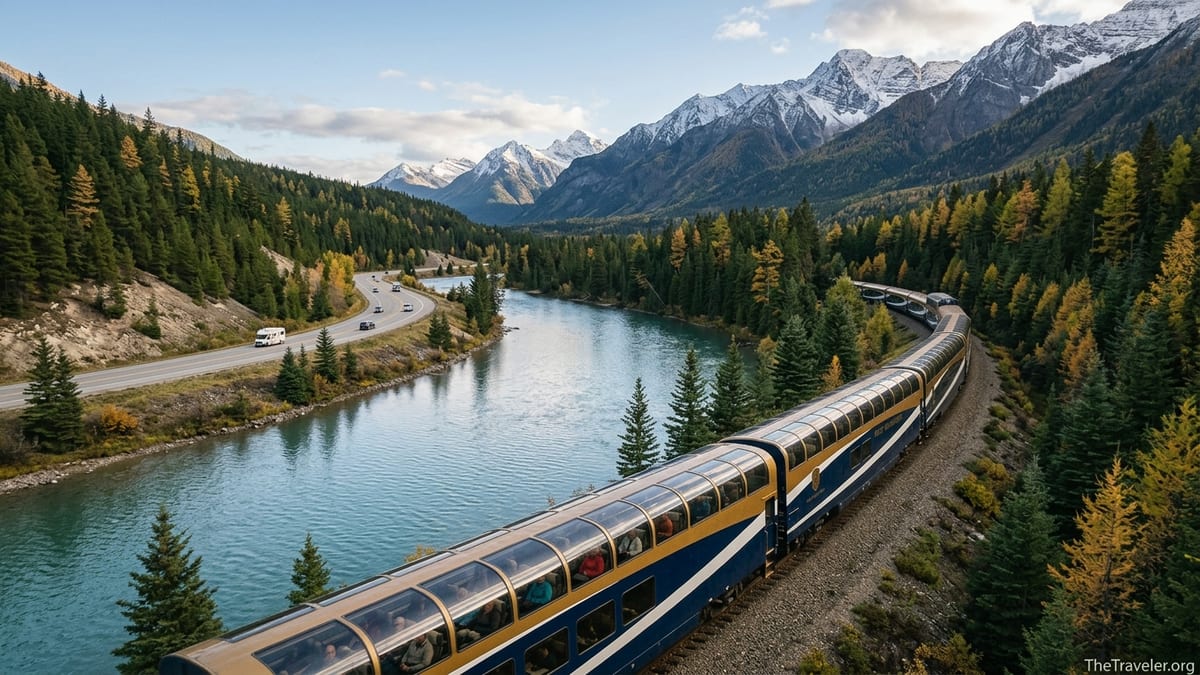
The Rocky Mountaineer is Western Canada’s flagship tourist train. Operating between April and October, it runs daylight-only routes connecting Vancouver with the Rockies via Kamloops and other interior towns, with overnight hotel stays off the train. As of the 2026 season, routes such as First Passage to the West to Banff and Lake Louise and Journey through the Clouds to Jasper continue to anchor Canadian itineraries, while U.S. operations are marketed separately under a sister “Canyon Spirit” brand.
Rocky Mountaineer trips are premium experiences, and pricing reflects that. A 2 day train ticket for 2026 between Vancouver and either Banff, Lake Louise or Jasper in the lower SilverLeaf service has been advertised starting around 2,300 to 2,900 Canadian dollars per person in shoulder months like April and May, with prices climbing into the mid 3,000s and beyond in peak summer. GoldLeaf, with its bi-level dome cars and more spacious seating, can reach or exceed roughly 5,000 to 6,000 Canadian dollars per person on popular dates, and full multi-day rail and hotel packages can easily run to five figures for couples once excursions and pre and post stays are included.
The appeal is obvious: large dome windows, leisurely meals, commentary from onboard hosts and the chance to see the Fraser Canyon, the North Thompson River and the front ranges of the Rockies without touching a steering wheel. Rail packages often include hotel nights in Vancouver, Kamloops and your Rockies endpoint, plus luggage transfers, leaving you to carry only a day bag during the day. For travelers who are not comfortable with mountain driving, this alone can justify the cost.
When is the train worth it? If your budget can comfortably absorb the premium, you dislike driving and you care more about relaxed scenic viewing than getting deep into trail networks, a rail vacation is an excellent choice. If you are more interested in hiking the Skyline Trail or spending days around Moraine Lake and Johnston Canyon, consider instead riding the train one way and renting a car or joining local tours at your endpoint, or skipping the train altogether and devoting the savings to extra days in the parks.
Some experienced Canadian travelers note that for a similar or lower overall cost than a high-end Rocky Mountaineer package, you could ride VIA Rail’s longer transcontinental route in sleeper class and then connect to the Rockies by bus or shuttle services. That option involves more transfers and less polish but underlines that the Rocky Mountaineer is a discretionary luxury rather than a necessity for seeing the mountains.
Wildlife Tours: Grizzly Bears, Whales and Coastal Fjords
While the Rockies have elk, mountain goats and occasional bears, Western Canada’s most dramatic wildlife encounters often unfold on the coast. British Columbia offers several world-class grizzly bear viewing areas accessible by boat or floatplane from Vancouver Island and the mainland, especially in the Great Bear Rainforest and dedicated bear sanctuaries.
Knight Inlet Lodge in the Great Bear Rainforest near British Columbia’s central coast is a well known example. It operates as an Indigenous owned floating lodge and markets 3 to 7 night all inclusive bear viewing packages between roughly late May and mid October, with bear viewing from boats in spring and early summer and river viewing platforms later in the season. As of the 2026 and 2027 seasons, the lodge is taking bookings for multi-night stays that include floatplane transfers from Campbell River, meals and daily guided excursions focused on grizzly bears and marine wildlife.
Farther north, the Khutzeymateen or K’tzim a deen Grizzly Sanctuary north of Prince Rupert is Canada’s first protected area created specifically for grizzly bears and their habitat. Access inside the inlet is tightly controlled. Lodges and tour operators based in the region run small-ship or lodge based trips that typically last four to five nights and focus on guided bear viewing from boats within the inlet and adjacent conservancies. Some Vancouver based outfitters also sell day trips that bundle charter flights from Vancouver with local boat tours from Prince Rupert, offering a high cost but logistically simple way to experience the sanctuary in a single long day.
For travelers with less time or budget, Vancouver Island operators offer day trips to Knight Inlet and other inlets from departure points such as Campbell River and Port McNeill. Indigenous led companies on northern Vancouver Island run full day excursions that combine whale watching and grizzly bear viewing, often citing high success rates for bear sightings in late summer and early autumn. These trips typically cost a few hundred Canadian dollars per person and make for powerful add ons to a Vancouver and Rockies itinerary.
Dedicated wildlife trips are worth budgeting for if seeing grizzlies, humpback whales or orcas is a priority. They also make sense for repeat visitors who have already done a classic Rockies loop and now want a more focused nature experience. Keep in mind that bear viewing seasons are tightly tied to salmon runs and coastal conditions, so availability and pricing vary sharply by month. Booking well ahead is crucial, especially for September trips when bears concentrate around rivers and lodges often fill early.
Independent Road Trips: Freedom on the Highways
For many visitors, the most cost effective and flexible way to see Western Canada is to rent a car and build a road trip. A classic two week loop might look like this: three nights in Vancouver, then drive to Kelowna or the Okanagan wine region, continue to Yoho and Banff National Parks, travel the Icefields Parkway to Jasper, and then return either via Clearwater and Wells Gray Provincial Park or via Kamloops and back to Vancouver. Another popular option is a one way drive between Vancouver and Calgary with a rental car drop fee, combining city time with a concentrated Rockies stay.
Independent travelers control their schedule. You can linger in lesser known places such as Kootenay National Park, hike during quieter hours and stop for viewpoints whenever the light looks right. Rental car and fuel costs, plus mid range hotels or vacation rentals, often work out cheaper per day than escorted tours or rail packages, particularly for couples or families sharing a vehicle and room. This is especially true outside peak July and August dates, when accommodation prices can spike in Banff and Jasper.
However, self driving in the Rockies comes with responsibilities. You need to monitor road and wildfire conditions, secure timed entry reservations or parking shuttles where required, and book key accommodations early to avoid long detours or suboptimal locations. Parking access at hotspots like Moraine Lake has shifted heavily toward shuttle and tour use, so even independent travelers may end up booking day tours or local transit tickets to reach certain lakes.
Independent itineraries are a strong fit for travelers comfortable with planning and online research, and for those who prioritize spontaneity. They also work well in combination with short organized segments. For example, you might drive from Vancouver to Jasper over several days, park the car and join a one day icefield tour or a half day wildlife safari, then continue under your own steam afterward.
When Organized Travel Is Worth Booking
Organized tours, rail vacations and wildlife packages are not inherently better than independent travel, but they are clearly worth the premium in certain situations. If you have very limited time and want to see headline sights efficiently, an escorted tour or rail package can pack Banff, Lake Louise, the Icefields Parkway and Vancouver into a tight window without you needing to coordinate shuttles or worry about driving fatigue.
They are also worth strong consideration for travelers with mobility concerns or those who simply do not enjoy driving on mountain roads. Coach tours and rail packages come with professional drivers, clear timetables and staff trained to assist with boarding, luggage and basic accessibility needs. Multigenerational groups often find that the convenience and reduced stress for older relatives justifies the added cost compared with a complex self-drive plan.
Wildlife tours, especially grizzly bear viewing trips, are one case where organized travel is almost mandatory. Sanctuaries like Khutzeymateen and remote inlets like Knight Inlet restrict access to guided vessels for conservation and safety reasons. It is neither practical nor appropriate to attempt independent bear viewing here. Booking a reputable operator that follows provincial regulations and works in partnership with Indigenous nations ensures that your visit contributes positively to conservation and local communities.
On the other hand, if you are price sensitive, comfortable driving and primarily interested in hiking and scenery rather than luxury transport, investing instead in a well planned rental car itinerary usually delivers better value. You can still sprinkle in guided experiences, such as a glacier walk or a single day wildlife trip, without committing to a full package. Many experienced travelers find this hybrid approach strikes the best balance between expert insight and personal freedom.
FAQ
Q1. What is the best month to tour the Canadian Rockies?
June through early October is the main season. July and August bring the warmest weather and fullest services but also the highest prices and crowds. Late June and September often offer a good balance of open trails, milder temperatures and slightly lower rates.
Q2. Are Rocky Mountaineer rail vacations worth the cost?
They can be, if you value comfort, scenic viewing and not driving. Expect to pay several thousand Canadian dollars per person for even the shortest routes. If that fits your budget and you prefer a relaxed, hosted experience, the premium can be justified. Budget conscious travelers often get better overall value from self drives and locally run day tours.
Q3. Do I need a tour to visit Banff and Jasper, or can I go independently?
You can absolutely visit independently by renting a car and booking accommodations yourself. Many visitors do this successfully each year. A tour becomes more attractive if you are short on time, uncomfortable driving in mountain conditions or want help navigating shuttle systems and timed entries for popular sites.
Q4. How far in advance should I book Western Canada tours?
For peak summer departures, aim to book major tours, rail trips and bear viewing lodges six to twelve months in advance, especially for July and September. Shoulder season trips in May, June and October may have more flexibility, but popular dates and room types can still sell out months ahead.
Q5. Are small group tours better than large coach tours?
Small group tours typically offer more time outdoors, a slower pace and the chance to reach trailheads or viewpoints that big coaches avoid. Large coach tours provide more onboard comfort and may cost less per day. The better option depends on whether you prioritize nature immersion and flexibility or comfort and price.
Q6. Can I combine Vancouver, the Rockies and grizzly bear viewing in one trip?
Yes, if you have at least 10 to 14 days. A common pattern is a few nights in Vancouver, a week split between Banff and Jasper, and then two to four nights on a coastal bear viewing or whale watching trip from places like Campbell River or Port McNeill. Tight schedules may require flights rather than surface travel between regions.
Q7. Is driving in the Canadian Rockies difficult for international visitors?
Main highways are generally well maintained, and many international drivers manage comfortably in summer. Challenges include long distances between services, wildlife on roads, variable weather and busy parking at attractions. If those factors feel stressful, consider rail or coach segments for the longest stretches and limit your driving to shorter local hops.
Q8. How much should I budget per day for an independent Rockies road trip?
Costs vary widely, but many mid range travelers find that a ballpark of 250 to 450 Canadian dollars per couple per day covers a rental car, fuel, standard hotels or motels, park passes and meals. Peak dates, resort towns and last minute bookings can push costs higher, while traveling in shoulder seasons or using simpler accommodations can bring them down.
Q9. Are grizzly and whale watching tours suitable for children?
Many operators welcome families but set minimum ages, often around 8 to 10 years, for safety and comfort. Long days on boats and the need to remain quiet during wildlife viewing can be challenging for younger children. Check age policies carefully and choose operators that clearly describe what to expect on board.
Q10. What is the single most important reservation I should make early?
For many travelers, it is accommodation in or near Banff, Lake Louise or Jasper during peak season, followed closely by any planned Rocky Mountaineer or grizzly bear viewing packages. Once those anchors are in place, you can build the rest of your itinerary around them.