


Eastern Canada changes character dramatically with the seasons. Maple-covered hills blaze red in October, harbourfront patios buzz in July, and coastal roads feel wild and empty in March. Choosing when to go is as important as choosing where. This guide walks you month by month through Eastern Canada’s key regions – Ontario, Quebec and Atlantic Canada – comparing fall colours, city trips, Niagara Falls, road trips, winter experiences, crowds, hotel prices and seasonal attractions so you can match the trip to your travel style and budget.
How Eastern Canada’s Seasons Shape Your Trip
For most travellers, Eastern Canada means Ontario and Quebec’s big cities and lakes, plus the Atlantic provinces of Nova Scotia, New Brunswick, Prince Edward Island and Newfoundland and Labrador. The region has a humid continental climate: warm to hot summers, crisp shoulder seasons and long, cold winters, especially away from the Atlantic coast. In Toronto and Montreal, average summer highs are typically in the mid-20s Celsius, while January days often hover below freezing. Coastal cities like Halifax are slightly milder in winter but more prone to fog and wind.
Tourism patterns follow the weather. July and August are the busiest and most expensive months almost everywhere, when school holidays bring families to Niagara Falls, Quebec City and the Atlantic beaches. Fall, especially late September and early October, is peak season for leaf peeping on routes such as the Cabot Trail in Cape Breton and the Laurentians north of Montreal, with higher prices in popular foliage hotspots. In deep winter from January to early March, you are rewarded with lower hotel rates in cities like Quebec City and Halifax, but shorter days and heavy snow make road trips slower and more weather dependent.
Understanding this rhythm lets you trade off crowds and cost against specific experiences. If your priority is to walk through Old Quebec’s cobblestone streets under red maples, you will aim for a tight fall window. If you want good value city breaks with museum time and food, late April or November can work surprisingly well. For long coastal road trips, think about daylight as much as temperature: May, June and September usually offer the best balance of open attractions, manageable prices and safe driving daylight.
January to March: Winter Cities, Frozen Falls and Snowy Road Trips
January and February are the coldest months across Eastern Canada, with many inland areas spending much of the day below freezing and frequent snow. In Quebec City, average January temperatures are often several degrees below zero, and similar winter conditions apply across Montreal and Ottawa. This is the time to lean into winter rather than fight it. Quebec City’s Winter Carnival typically runs across late January and early February, turning the old town into a snow festival with ice sculptures, night parades and outdoor concerts. In Montreal, indoor attractions such as the Montreal Museum of Fine Arts and underground shopping complexes keep city breaks comfortable.
Niagara Falls in winter has a very different feel from summer. Boat tours and some water-based attractions close, but the partially frozen falls and ice formations on trees and railings create a dramatic landscape. Tourism sources and local operators note that from roughly mid-November to early January, the Winter Festival of Lights wraps the Canadian side in illuminated displays and evening fireworks, continuing into the core winter months in some years. Hotel rates at chain properties overlooking the falls can drop well below their summer highs, sometimes into the equivalent of around 120 to 180 US dollars on weeknights, compared with significantly higher peak-season rates for the same rooms.
Winter road trips are best kept short and focused. A classic route is a loop between Montreal, Quebec City and the nearby ski areas of Mont-Tremblant or Le Massif, where snow conditions are usually reliable between January and early March. In Atlantic Canada, the Cabot Trail in Cape Breton can be challenging in mid-winter due to snow and occasional closures, but city breaks in Halifax or Saint John are perfectly feasible, with lower hotel prices and fewer visitors at waterfront attractions and breweries. If you are not comfortable with snow driving, rely on trains and buses between major cities like Toronto, Ottawa, Montreal and Quebec City at this time of year.
April to June: Shoulder Season City Breaks and Early Road Trips
Spring arrives slowly in Eastern Canada. In April, snow can linger in Quebec and parts of Atlantic Canada, but major cities begin to thaw. Toronto and Montreal typically see daytime highs in the low to mid-teens Celsius by late April, with trees budding and café terraces starting to open on milder days. This is an excellent time for value-focused city trips. Business hotels that may charge high rates during summer festivals often price more moderately in April and early May, especially midweek, and you can sometimes find downtown rooms in Toronto or Montreal in the range of 150 to 220 US dollars that would be noticeably higher two months later.
By May, conditions improve dramatically for urban sightseeing and shorter road trips. In Niagara Falls, tourist operators highlight spring as a sweet spot between winter quiet and summer crowds. Boat cruises on the Canadian side usually resume in April or early May depending on ice, and the surrounding gardens and parks fill with tulips and fresh greenery. Crowds are lighter than in July and August, and while weekend rates can still be high in view hotels, you may find better value at properties a short walk or drive away. For a combined Toronto and Niagara itinerary, May offers comfortable weather for walking in both destinations and longer daylight for day tours.
June marks the real start of the summer road-trip season. In Quebec, highways are generally clear, national parks and regional parks open their full trail networks, and seasonal businesses along popular routes like the Gaspé Peninsula begin regular operations. In Atlantic Canada, more accommodations, whale-watching tours and coastal restaurants open their doors from late May into June. Temperatures in Halifax and Charlottetown often reach the high teens to low 20s Celsius by mid-June, pleasant for hiking and exploring without the hottest summer sun. Hotel prices begin to rise in popular spots such as Old Quebec and downtown Halifax but are usually still below their July peak, making June a smart compromise for travellers who want greenery, active outdoor options and manageable crowds.
July and August: Peak Season for Cities, Niagara Falls and Coastal Drives
July and August are high summer across Eastern Canada, with warm to hot temperatures, school holidays and the broadest range of tours and attractions operating. In Toronto, Montreal and Quebec City, daytime highs frequently sit in the mid-20s Celsius or higher, with occasional heat waves. This is the season for outdoor festivals, patios and long evenings. Toronto’s waterfront and islands are busy on summer weekends, while Montreal’s festivals draw international crowds. Expect higher hotel prices: central four-star properties that might be available for around 200 US dollars in shoulder season can climb significantly, especially around Canada Day and major events.
At Niagara Falls, tourism boards and local guides describe summer as the period when everything is open, but also when the area feels most crowded. Boat tours run frequent departures, zip lines and observation towers operate long hours, and fireworks over the falls are common nightly in peak months. With this comes congestion and premium pricing. Parking near the main viewpoints can be costly and limited on sunny weekends, and budget travellers may prefer to stay in Niagara Falls motels away from the main strip or in nearby towns like St. Catharines, driving in early each morning to avoid traffic. If summer school holidays are your only option, arriving at the falls early in the day or later in the evening helps you dodge the heaviest midday crowds.
Summer is also prime time for Eastern Canada’s great road trips. The Cabot Trail in Nova Scotia, the Viking Trail in Newfoundland, Prince Edward Island’s coastal drives and Quebec’s Gaspé Peninsula all shine between late June and early September. Most seasonal restaurants, whale-watching excursions and coastal campgrounds operate fully in these months. In the Atlantic provinces, sea temperatures remain cool, but air temperatures are comfortable for hiking and scenic drives, typically in the high teens to low 20s Celsius. Accommodation is at its most expensive in sought-after coastal villages and near national parks. Booking summer lodges and cabin rentals several months in advance is advisable, particularly in July and early August.
September and October: Fall Colours, Quieter Cities and Ideal Road Trips
For many travellers, September and October are the best months to visit Eastern Canada. Summer heat begins to ease, children return to school, and hotel prices in major cities often moderate compared with July and August, especially midweek. In Toronto and Montreal, early September can still feel summery, with temperatures in the low 20s Celsius, but humidity drops and evenings are cooler. By late September and early October, daytime highs frequently sit in the low to mid-teens Celsius in Quebec City and Halifax, perfect for walking tours and outdoor excursions in light layers.
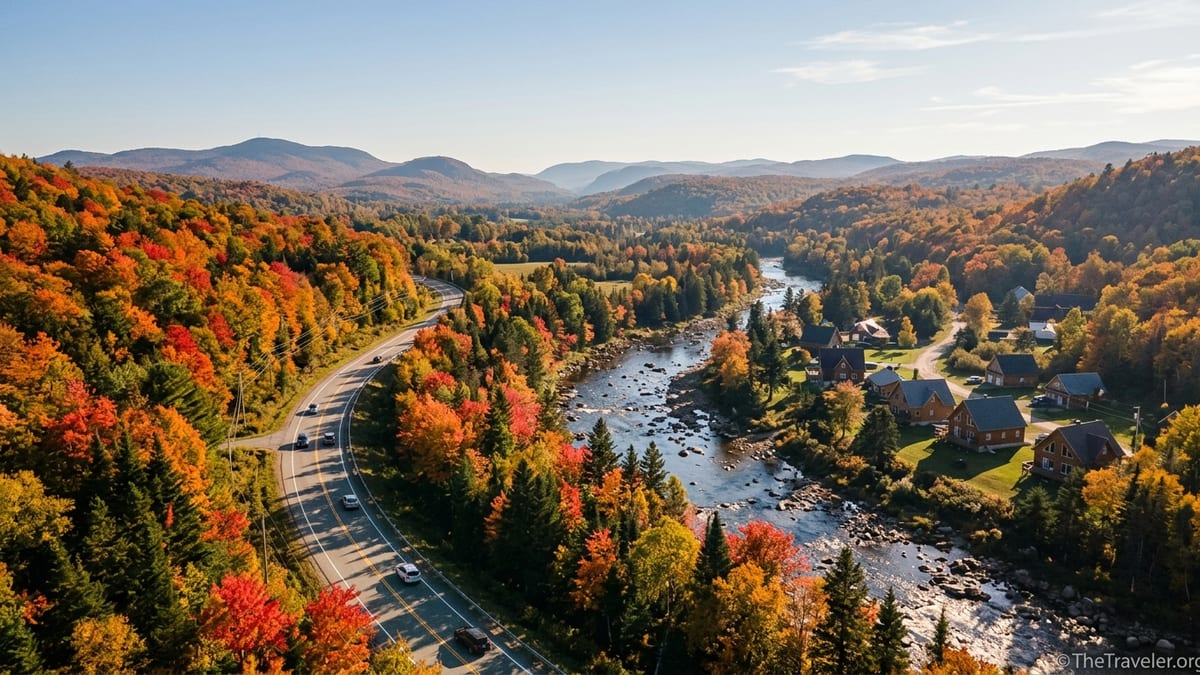
Fall colours are the main event. In Quebec, tourism and tour operators note that peak foliage around Quebec City and nearby parks such as Jacques-Cartier often falls from roughly late September to early October, with regions like Charlevoix and the Laurentians peaking in early to mid-October. Inland parts of New Brunswick and Nova Scotia, including highland areas near the Cabot Trail, typically see their best colour between late September and mid-October, though exact timing varies with weather each year. The combination of bright reds and oranges, crisp air and fewer insects makes this period ideal for self-drive itineraries from Montreal through the Eastern Townships to the US border, or loops through New Brunswick’s river valleys and Nova Scotia’s highlands.
Niagara Falls also changes character in fall. September still offers warm temperatures and fully operating attractions, but with fewer families than August, especially after Labour Day. This often translates into slightly lower hotel rates and more relaxed restaurant bookings, while boat tours and viewing platforms remain open. By October, especially mid to late in the month, some seasonal facilities begin to scale back, but the surrounding gorge and parks turn shades of gold and red. Travellers focused on photography often favour early to mid-October for combining fall foliage with comfortable walking temperatures. If budget is a priority, periods after the Canadian Thanksgiving holiday in October can see further drops in midweek hotel rates compared with summer.
November and December: Early Winter, Holiday Lights and Value Breaks
November is a transition month. In many parts of Eastern Canada, leaves have fallen by early November and consistent snow has not yet arrived. Skies can be grey, and temperatures cool, with daytime highs often in the single digits Celsius in Montreal, Quebec City and Halifax. The upside is value and quiet. City hotels that saw heavy summer and fall demand may offer more competitive rates, and attractions like museums, historic sites and restaurants remain open with shorter queues. For travellers who prioritise culture over scenery and do not mind cooler temperatures, November can be a cost-effective time to explore Toronto’s neighbourhoods, Montreal’s food scene or Quebec City’s historic streets without jostling with peak-season crowds.
By late November and December, the winter holiday season transforms several destinations. In Quebec City, downtown streets fill with lights, small Christmas markets appear and snow often begins to accumulate, creating a storybook feel by December. In Niagara Falls, the Winter Festival of Lights typically runs from mid-November into January, lining parkways and attractions with illuminated displays and often including weekend fireworks. Hotels near the falls sometimes package room nights with viewing experiences or dining offers to attract off-season visitors, and nightly rates can be lower than peak summer while still reflecting the special-event atmosphere around weekends and holidays.
December road trips require more planning. Daylight is limited, road conditions can change quickly with snow and freezing rain, and some coastal businesses in Atlantic Canada shut for the season. However, short drives between major centres, such as Halifax to the UNESCO-listed town of Lunenburg or Montreal to the Laurentians, are still manageable for drivers comfortable with winter conditions. Rental car companies usually equip vehicles with appropriate tires in these regions by law or policy for the season, but it is worth confirming at the time of booking.
Choosing the Best Month by Travel Style and Budget
Travellers interested in city breaks with minimal weather disruption will often do best in May, June, September and early October. In these months, Toronto and Montreal offer pleasant temperatures for walking tours, outdoor dining and neighbourhood exploration, while major museums and cultural institutions avoid the heaviest summer queues. Quebec City’s Old Town is particularly atmospheric in late September and early October when the trees along the fortifications turn orange and red, yet the narrow streets are less crowded than in July. Hotel prices vary by specific date and event, but visitors often find that boutique and chain hotels in central neighbourhoods are more affordable than at the height of summer.
If your priority is fall colours on a classic Eastern Canada road trip, target late September to mid-October and be flexible within that window. For Ontario and Quebec, routes that combine cities with nearby nature, such as Toronto to Algonquin Park or Montreal to the Laurentians and Eastern Townships, usually show strong colours in early October, with some higher-elevation or northern areas peaking slightly earlier. In Atlantic Canada, early October is normally reliable for scenic drives on the Cabot Trail or through New Brunswick’s river valleys, although coastal areas may peak a little later than interior hills. Building a ten to fourteen day itinerary that begins inland and finishes on the coast helps you track the changing foliage as it moves south and east.
Value-focused travellers may prefer the shoulder seasons of late April to early June and late October to early December. In these windows, you are more likely to find mid-range hotels in major cities for less than in high summer, and you can often secure last-minute deals for downtown stays. Attractions such as Niagara Falls remain accessible, with the main viewpoints open year-round, and key indoor sites like the power station exhibits or observation decks providing interest even in chilly weather. The trade-off is that some seasonal attractions, like lakeside beaches, small coastal restaurants and certain scenic boat tours away from Niagara, may not yet have opened in spring or may have already closed in late autumn.
FAQ
Q1. What is the best month to visit Eastern Canada for peak fall colours?
Early to mid-October is usually the safest bet, though timing varies. Inland Quebec regions like the Laurentians and Eastern Townships often peak around the first half of October, with many parts of Atlantic Canada following a similar pattern or slightly later near the coast.
Q2. When is the best time to visit Niagara Falls from the Canadian side?
For a balance of open attractions, milder weather and fewer crowds, late May, June and September work very well. July and August offer full summer energy but with the highest prices and biggest crowds, while winter brings dramatic ice views and lower hotel rates but reduced attraction options.
Q3. Which months are best for a summer road trip in Atlantic Canada?
Late June through early September is ideal for Atlantic Canada road trips. Seasonal accommodations, whale-watching tours and coastal restaurants are fully open, and weather along routes such as the Cabot Trail or Prince Edward Island’s coastal drives is generally comfortable for hiking and scenic stops.
Q4. Is November a bad time to visit Eastern Canada?
November is less scenic than peak fall or full winter, but it can be excellent for value-focused city trips. You will likely find lower hotel rates in cities such as Toronto, Montreal and Halifax, with museums, restaurants and cultural venues all operating and smaller crowds at major sights.
Q5. When are hotel prices highest in Eastern Canada?
Hotel prices tend to peak in July and August across popular destinations such as Toronto, Montreal, Quebec City, Niagara Falls and Atlantic coastal towns. Rates also rise around key fall foliage weekends in late September and early October in foliage hotspots like the Laurentians and the Cabot Trail.
Q6. What is the best time to visit Quebec City for both pleasant weather and fewer crowds?
Late May to mid-June and late September to early October usually offer a good balance. You will have comfortable temperatures for walking the historic centre, plenty of open cafés and attractions, and generally fewer visitors than in peak summer.
Q7. Are winter road trips in Eastern Canada recommended?
Short winter drives between major centres, such as Montreal to Quebec City or Halifax to nearby coastal towns, are manageable for confident drivers, but longer road trips in January and February can be challenging due to snow, ice and limited daylight. Many travellers prefer to rely on trains and buses in deep winter and save extensive self-drive itineraries for late spring to fall.
Q8. When do attractions and tours in Atlantic Canada typically open for the season?
Many seasonal accommodations, whale-watching operators and coastal restaurants in Atlantic Canada begin regular operations between late May and mid-June, continuing through September. Travelling in June or September often provides a good mix of open services, moderate crowds and more manageable prices than peak July and August.
Q9. What is the cheapest time of year to visit Niagara Falls?
Hotel rates and package prices are generally lowest from late autumn through early spring, roughly from late October to April, excluding major holiday periods. During this off-season, some attractions operate on reduced schedules, but the main viewpoints and many indoor experiences remain open, and you benefit from quieter walkways and lower nightly rates.
Q10. If I want both city time and fall colours, how long should I plan for Eastern Canada?
A trip of 10 to 14 days in late September or early October works well for combining cities and foliage. For example, you might spend several days in Toronto or Montreal, then drive to nearby parks or countryside for leaf peeping, and finish with a shorter coastal or river-valley segment in Atlantic Canada if time and flights allow.