


Eastern Canada is one of North America’s most rewarding regions for structured touring. Between Ontario’s big cities, Quebec’s historic neighborhoods, Niagara Falls and the Atlantic provinces, you can either let an operator handle every detail or stitch together your own route by train, car and regional flights. This guide compares real-world escorted itineraries, Niagara day tours, small-group trips and independent travel so you can choose the mix that fits your time, budget and travel style.
How Eastern Canada Itineraries Are Typically Structured
Most classic Eastern Canada tours focus on a core loop through Ontario and Quebec, then optionally add Niagara Falls and the Atlantic provinces. A common escorted route starts in Toronto, continues to Ottawa, then crosses into francophone Quebec for Montreal and Quebec City before returning to Toronto or ending in Montreal. Operators such as Trafalgar, Globus and other large brands regularly package 7 to 9 day “Ontario & Quebec” itineraries with this pattern, often including city sightseeing, select meals and airport transfers.
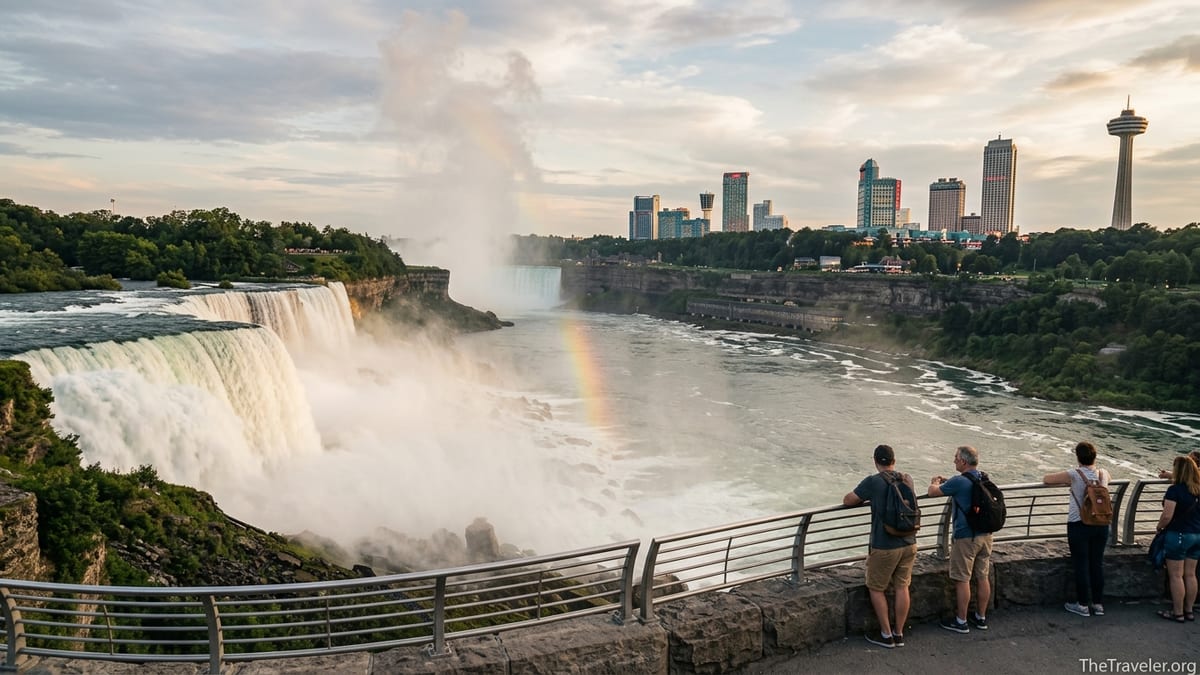
Niagara Falls is usually treated as either a full-day excursion from Toronto or as a one-night stop on the way between Toronto and the U.S. border. Many Toronto-based Niagara bus tours include a Hornblower or Voyage to the Falls boat cruise, time at the viewpoints and a stop in Niagara-on-the-Lake or at a winery on the way back, returning to Toronto in the evening after roughly 10 to 11 hours of touring. Prices in 2026 typically range from about 100 to 200 Canadian dollars per adult depending on inclusions and group size.
Beyond this core, longer escorted holidays add an Atlantic Canada segment, usually by flying from Quebec City or Montreal to Halifax. For example, some Canadian tour specialists now sell 20 to 26 day “Eastern Canada & the Maritimes” packages combining Ontario and Quebec with Nova Scotia, New Brunswick and Prince Edward Island, including highlights such as the Cabot Trail, Hopewell Rocks and Peggy’s Cove and pricing in the mid to high four-figure range per person in Canadian dollars. This gives you a sense of how adding the Atlantic provinces roughly doubles both the duration and cost compared with a simple Ontario and Quebec loop.
If you prefer to travel independently, the same basic geography still shapes your planning. Many travelers fly into Toronto or Montreal, travel by VIA Rail and regional buses between the major cities, and either rent a car just for specific stretches such as the Charlevoix region outside Quebec City or the Cabot Trail in Nova Scotia. Understanding how the escorted itineraries connect the dots can be a useful template even if you decide not to book a tour.
Ontario–Quebec Escorted Tours vs Independent City Hopping
Escorted Ontario and Quebec tours appeal to travelers who want logistics handled, especially when combining multiple cities in one trip. For instance, a typical 8 or 9 day motorcoach tour might include Toronto, a Thousand Islands cruise near Kingston, Ottawa’s Parliament Hill, a guided walk through Old Montreal and a day in Quebec City’s Old Town, with most hotel nights already blocked in centrally located properties. Pricing varies with brand and season but often falls somewhere between 2,000 and 3,500 US dollars per person excluding flights for mid-range operators.
The main advantages of these escorted packages are convenience and predictability. You do not need to think about intercity train times, luggage storage or how to get from an outlying bus station to your hotel. First-time visitors who are nervous about language in Quebec often appreciate having a bilingual guide to smooth restaurant reservations and museum visits in Montreal and Quebec City. Some tours also include experiences that are more tedious to arrange on your own, such as a short cruise among the Thousand Islands or a seasonal maple sugar shack dinner outside Quebec City.
In contrast, going independent between Ontario and Quebec is straightforward for confident travelers. VIA Rail’s Corridor service connects Toronto, Kingston, Ottawa, Montreal and Quebec City with several departures per day, and advance-purchase fares can be competitive with the per-day cost of an escorted tour, especially for couples or solo travelers comfortable navigating rail stations. It is common, for example, for independent travelers to spend three nights in Toronto, two in Ottawa, three in Montreal and two or three in Quebec City, booking mid-range hotels and city tours a la carte. This approach favors those who enjoy customizing every night and do not mind handling their own transfers.
The trade-off is time versus flexibility. An escorted loop might cover Toronto, Ottawa, Montreal and Quebec City in eight days with minimal idle time but at the cost of early departures and fixed group schedules. An independent traveler could spread the same route over twelve to fourteen days, building in museum time and food-focused neighborhoods such as Toronto’s Kensington Market or Montreal’s Plateau, but will spend more hours looking up train schedules, hauling luggage and troubleshooting delays. Organized touring tends to make the most sense if your total vacation window is tight, you prefer a single upfront price, or you value having a guide at your side in unfamiliar settings.
Niagara Falls: Day Tours, Overnights and DIY Options
Niagara Falls is where the choice between escorted and independent travel becomes particularly practical. From Toronto, most travelers face three options: a prearranged day tour, public transport plus walking, or a rental car. In 2026, many all-day coach tours including round-trip transport, commentary, several hours of free time at the falls and a boat cruise cost around 100 to 160 Canadian dollars per adult, with some bare-bones options advertising promotional rates under 80 dollars for transportation only. Premium small-group or private tours can exceed 200 dollars per person but add perks such as hotel pickup in downtown Toronto, winery tastings and skip-the-line boat access.
If you go independently, you might use GO Transit’s seasonal train or year-round bus from Toronto Union Station to Niagara Falls for roughly 35 to 45 Canadian dollars round-trip on the train when service is running, or around 15 to 30 dollars each way on long-distance buses such as FlixBus and Megabus when booked early. Once you arrive in Niagara Falls, a local city bus or a WEGO tourist shuttle pass connects the train or bus stop with the main viewpoints along the parkway. You then purchase attraction tickets like the Voyage to the Falls boat cruise, Journey Behind the Falls or zipline access separately, which can bring a do-it-yourself day into a similar overall cost range as a mid-priced guided tour once admissions, meals and small extras are included.
Staying overnight in Niagara Falls can shift the equation. During busy summer weekends, hotel rates on the Canadian side near the Fallsview area often rise significantly, while midweek in shoulder seasons you may find moderate deals at chain hotels with partial falls views. Some escorted Eastern Canada itineraries include one night in Niagara Falls, giving you time to see the nightly illumination and fireworks when scheduled, then continue toward Kingston or Ottawa the next morning. For independent travelers, an overnight stay makes particular sense if you are driving a rental car and want a more relaxed pace or plan to visit nearby Niagara-on-the-Lake wineries or the Niagara Parkway cycling paths.
In practice, organized Niagara excursions are most compelling for first-time visitors who do not want to navigate intercity transit, parking or attraction bookings in a foreign country. Travelers already comfortable using Google Maps for regional trains and buses often prefer to arrange the logistics themselves and spend the savings on upgraded attractions or a better hotel room. Given the traffic on the Queen Elizabeth Way between Toronto and Niagara, some locals advise that visitors who are not confident highway drivers opt for either a coach tour or the train rather than renting a car just for a day trip.
Atlantic Canada Extensions: When to Add the Maritimes
Adding Atlantic Canada to an Ontario and Quebec itinerary opens up a very different side of the country, but it requires both extra time and budget. Classic escorted “Atlantic Maritimes” tours typically run 10 to 14 days focusing on Nova Scotia, New Brunswick and Prince Edward Island, beginning and ending in Halifax. Travelers on longer 20 to 26 day “Eastern Canada & the Maritimes” packages usually connect from Quebec City or Montreal to Halifax by a short flight arranged by the operator, then join a second motorcoach loop that includes places like Charlottetown, the Confederation Bridge, Hopewell Rocks in the Bay of Fundy and the Cabot Trail on Cape Breton Island.
Because distances between towns in Atlantic Canada are larger and public transit sparser than in the urban corridor of Ontario and Quebec, organized motorcoach touring brings very tangible benefits. A typical Maritimes itinerary might include visits to Peggy’s Cove, Lunenburg, the Anne of Green Gables sites on Prince Edward Island and fishing villages around the Gulf of St. Lawrence, along with coastal drives that would be demanding for a visitor unused to rural two-lane highways. Having a driver and guide means you can watch for whales, seabirds and lighthouses without worrying about fuel stops and daily mileage.
Independent travelers can certainly piece together Atlantic Canada using rental cars and regional flights, but the planning demands increase. For example, you might fly independently from Montreal to Halifax, rent a car and spend three nights in Halifax, two nights in Charlottetown, two on Cape Breton for the Cabot Trail, and one or two nights somewhere along the Bay of Fundy, adjusting according to season and ferry schedules. Lodging in smaller coastal communities often revolves around family-run inns and bed and breakfasts, which may require more advance booking in peak July and August weeks than the chain hotels common in Toronto or Montreal.
Because of these logistical quirks, Atlantic extensions are where escorted tours make the most sense for travelers who want to see as much as possible in a constrained amount of time. If your vacation allows only two weeks total, for instance, it may be better to focus on the Ontario and Quebec corridor plus Niagara Falls and save the Maritimes for a dedicated future trip. If you have three or more weeks and a comfortable budget, piggybacking a structured Maritimes loop onto a semi-independent Ontario and Quebec itinerary can be a rewarding compromise.
Choosing Between Large Escorted Groups, Small-Group Tours and Hybrids
Not all organized tours look the same from the traveler’s perspective. Large operators often run motorcoaches with up to 40 or more passengers, multiple departure dates and standardized inclusions. These trips tend to come at competitive price points per day and appeal to travelers who enjoy a social dynamic, do not mind fixed seating and are comfortable with a somewhat scripted pace. For example, a big-brand 9 day “Montreal to Toronto” escorted itinerary might include city tours, several hotel dinners and most intercity transfers for a per-day cost lower than booking comparable hotels and intercity travel on your own in high season, especially if you value door-to-door luggage handling.
Small-group tours, often capped at 12 to 18 travelers, trade some economies of scale for a more flexible and intimate experience. A 6 day small-group Eastern Canada trip departing Toronto, for instance, might visit Huntsville and Lake Muskoka in addition to Ottawa, Montreal and Quebec City, using smaller vehicles able to detour to lakeside towns and provincial parks. These itineraries often attract active travelers and can include light hiking, local food experiences or off-the-beaten-path neighborhoods that large coaches bypass. Pricing per day is usually higher than for large-group tours but often includes more immersive experiences and sometimes breakfasts or selected lunches with local hosts.
A growing number of operators market hybrid models, where the core intercity structure is fixed but you can choose optional add-ons such as food tours in Montreal, bike rides along Ottawa’s canal or a train excursion from Quebec City into the Charlevoix region. In practice this gives some of the predictability of escorted travel with the feel of independent exploring during free blocks of time. Travelers who might find a fully escorted tour too constraining sometimes respond well to these hybrids, especially if they are new to Canada but experienced in other regions.
When deciding which style fits you, consider your tolerance for early mornings, long coach days and group dynamics. A small-group tour that includes more two-night stays and leisurely breakfasts may actually feel less tiring than a large coach itinerary that changes cities almost every day. By contrast, if budget is your primary constraint and you simply want to be sure you see the main landmarks efficiently, a larger escorted coach can be an excellent value, particularly outside the absolute peak summer dates when shoulder-season discounts may apply.
Independent Travel Logistics: Trains, Cars and Seasonal Factors
For travelers leaning toward independent travel in Eastern Canada, understanding core logistics helps you decide where it is worth paying for organized touring. The Toronto to Montreal to Quebec City rail corridor is the backbone of many self-planned trips. VIA Rail often runs multiple trains per day along this route, and booking well in advance can yield lower fares, especially in economy class. Overnighting close to stations in Toronto, Ottawa, Montreal and Quebec City reduces the need for taxis and allows you to walk to many central attractions such as Toronto’s waterfront, Ottawa’s ByWard Market, Old Montreal and Old Quebec’s fortified streets.
Car rental becomes more useful when you want to explore areas that are awkward on public transit. In Ontario, that might mean the Muskoka lakes north of Toronto, Prince Edward County’s wineries east of the city, or the quieter beaches along Lake Ontario. In Quebec, you may rent a car in Quebec City to drive the Charlevoix coastal road, visiting small towns along the St. Lawrence River and returning the car before continuing by train. In Atlantic Canada, a rental car is often essential outside Halifax and Saint John if you want to see the Cabot Trail or remote coves.
Season strongly shapes both escorted and independent travel. Summer from late June through August brings the longest days and warmest temperatures but also the highest hotel rates and busiest tour departures, especially around school holidays and long weekends. Fall, particularly late September and early October, is prized for foliage in Ontario and Quebec and for crisp days in the Maritimes, but some seasonal attractions and boat tours may reduce schedules as temperatures drop. Winter introduces very different experiences, from skating rinks in Ottawa and Montreal to winter carnivals in Quebec City, though some escorted tour programs pause between late fall and spring.
In terms of cost, an independent mid-range traveler visiting Toronto, Ottawa, Montreal and Quebec City over two weeks might assemble a budget that includes moderate hotels, intercity rail, city transit passes and selected guided day tours such as a food tour in Montreal or a history walk in Quebec City. When you compare this with the lump-sum price of a comparable escorted tour, the difference often narrows once you factor in tips, included meals and the time spent on research. For some travelers, the saving of hours of online searching and coordination is justification alone for choosing an organized option even if the financial cost is similar.
When Organized Touring Makes the Most Sense
Escorted tours, small-group trips and day excursions are particularly valuable when your trip is complex, your comfort zone is limited or your time is short. Travelers combining Eastern Canada with long-haul flights from overseas often appreciate landing in Toronto or Montreal and having a guide meet them at the airport, especially if they are arriving after overnight flights. The first two or three days of a structured itinerary can be a soft landing, with someone else handling transfers, jet lag-friendly pacing and initial cultural context before you continue independently.
Organized touring is also a strong fit for multi-generational trips where not everyone wants to manage navigation or language. A three-generation family might, for example, book a week-long escorted Ontario and Quebec tour that includes at least one two-night stay in each major city, then add a private Niagara Falls day trip with hotel pickup at the beginning or end. Elderly relatives benefit from reserved seating, luggage handling and a clear daily timetable, while younger adults can still peel off during free time for independent exploring.
Safety and ease of access are additional factors. While Eastern Canada’s major cities are generally considered safe and well-served by public transport, some travelers prefer the reassurance of being with a group, particularly if they are solo, elderly or managing health concerns. A small-group Maritimes tour that includes moderate hikes, for instance, may give you the confidence to experience remote coastal scenery without worrying about cell coverage or trail navigation. Meanwhile, in places like Niagara Falls where crowds and traffic can be intense, a bus tour that handles parking, attraction tickets and timing reduces stress.
That said, organized touring is not an all-or-nothing decision. Many visitors combine elements. A realistic example would be booking a 7 or 8 day escorted loop through Toronto, Ottawa, Montreal and Quebec City, taking advantage of the guide’s context and smooth transfers, then remaining in Quebec City or Montreal for several extra nights on your own. Others might travel independently between cities using the train but join guided day trips to Niagara Falls, the Charlevoix region, the Thousand Islands or the Cabot Trail. Thinking of tours as modular building blocks rather than complete packages can help you assemble an itinerary that balances structure and spontaneity.
The Takeaway
Eastern Canada lends itself to both structured itineraries and freestyle travel. Ontario and Quebec’s corridor, Niagara Falls and the Atlantic provinces can be combined in a variety of ways, from one-week escorted loops to month-long overland journeys. Large-group coach tours offer efficient coverage and predictable costs, small-group itineraries deliver depth and flexibility, and independent trips provide maximum customization at the price of more planning and on-the-ground decision-making.
When comparing options, start by clarifying how many nights you realistically have and which regions are non-negotiable for this trip. If you have ten days or less, a focused Ontario and Quebec itinerary with a Niagara excursion is more realistic than trying to add the Maritimes. With three weeks, you can consider either a comprehensive escorted Eastern Canada and Maritimes package or a hybrid plan that mixes guided segments and independent city stays. In every case, using real tour itineraries and day-trip offerings as reference points will help you calibrate driving times, train connections and reasonable daily sightseeing loads.
Ultimately, organized touring makes the most sense when you want to see a lot in a limited window, feel unsure about logistics in a new country or simply prefer the ease of placing your luggage in a coach and letting a guide lead the way. Independent travel shines when you have the time and energy to linger in neighborhoods, chase restaurant recommendations and adjust on the fly. Eastern Canada offers enough infrastructure and variety to reward both approaches, so the best choice is the one that matches your own pace, curiosity and tolerance for planning.
FAQ
Q1. How many days do I need for an Ontario and Quebec tour including Niagara Falls?
Most travelers find that 8 to 10 days is a comfortable minimum for Toronto, Ottawa, Montreal, Quebec City and a Niagara Falls day trip. Escorted tours can compress this into about a week with early starts and limited free time, while independent travelers often prefer 12 to 14 days to allow additional museum visits and slower city exploration.
Q2. Is it cheaper to book an escorted tour or travel independently in Eastern Canada?
Costs can be similar once you factor in hotels, intercity transport, guided city tours and some meals. Escorted tours often look expensive upfront but include many elements that independent travelers pay for separately. If you are flexible on dates and can book trains and hotels early, independent travel can save money, especially for couples or small groups, but you will invest more time in planning.
Q3. Do I need a car to see Niagara Falls and the major Eastern Canada cities?
You do not need a car to visit Toronto, Ottawa, Montreal, Quebec City or Niagara Falls. Trains and buses connect the cities, and local transit or walking works within urban centers. For Niagara Falls, you can use bus or train from Toronto or join a day tour. A rental car becomes more useful for side trips like Muskoka, Prince Edward County, Charlevoix, the Cabot Trail or rural coastal communities in the Maritimes.
Q4. When is the best time of year to do an Eastern Canada escorted tour?
Late spring through early fall is the main touring season. June through August offer warm weather and full attraction schedules but higher prices and crowds. September and early October are popular for fall colors in Ontario and Quebec and for more comfortable temperatures, though daylight hours shorten and some seasonal services begin winding down. Winter tours exist but focus on a different set of activities and require comfort with cold weather.
Q5. Are small-group tours worth the premium over large coach tours?
Small-group tours usually cost more per day but offer a more intimate experience, with fewer travelers, more flexible stops and better access to smaller towns or scenic routes. They can be particularly appealing if you value interaction with your guide, dislike large groups or want to include light hiking or local food experiences that are harder to arrange with big coaches. Large coach tours remain excellent value if your priority is seeing headline sights efficiently.
Q6. Can I combine a guided tour with independent travel on the same trip?
Yes, many travelers mix both approaches. A common pattern is to start with an escorted Ontario and Quebec tour that includes Niagara Falls, then stay on independently in Montreal or Quebec City for extra days. Others may travel independently between major cities by train but book guided day trips for specific areas such as Niagara-on-the-Lake, the Thousand Islands, Charlevoix or the Cabot Trail. This hybrid approach offers structure where it helps most and freedom elsewhere.
Q7. How far in advance should I book Eastern Canada tours and Niagara excursions?
For peak summer and fall foliage periods, booking escorted tours several months in advance is advisable, especially for small-group departures and Atlantic Canada itineraries with limited hotel capacity. Niagara Falls day tours can sometimes be booked closer to your travel date, but popular options and weekend departures still sell out. Independent travelers should reserve intercity trains and central hotels early for July, August and major holiday weekends.
Q8. Is language a barrier when touring Quebec if I do not speak French?
In Montreal and Quebec City, many people working in tourism, hotels and restaurants speak English in addition to French, and major attractions provide bilingual signage. Escorted tours add a layer of convenience by using bilingual guides who can assist with reservations and local interactions. Independent travelers who do not speak French can still navigate comfortably but may find basic French phrases helpful, particularly in smaller towns outside the main cities.
Q9. What level of physical fitness do I need for typical Eastern Canada tours?
Most mainstream escorted tours are graded for travelers who can manage moderate walking, climb a few flights of stairs and stand for guided visits. City centers such as Old Quebec and Old Montreal have cobblestones and some hills. Small-group and adventure-oriented tours may include optional hikes or longer walks. If you have mobility concerns, it is worth discussing specific itineraries with an operator and looking for tours that include central hotels, coach access close to attractions and built-in free time.
Q10. Should I tip guides and drivers on escorted tours in Canada?
Yes, tipping is customary, though guidelines vary by operator. Many tour companies provide suggested per-day amounts for the tour director and coach driver, which you can adjust based on your satisfaction. On independent day tours, it is common to tip local guides and drivers at the end of the excursion. Gratuities are sometimes included in premium tour pricing, so it is worth checking your documentation before you travel.