


Western Canada stretches from salt-sprayed Pacific shores to glacier-carved peaks, and the “best” time to visit depends heavily on where you go and what you want to do. A July road trip from Vancouver to Banff feels completely different from a March ski week or an October wildlife-focused circuit around Vancouver Island. This guide compares Vancouver, Vancouver Island, and the Canadian Rockies month by month so you can match your dates to hiking, wildlife, road trips, skiing, lake scenery, crowds, prices, and seasonal access.
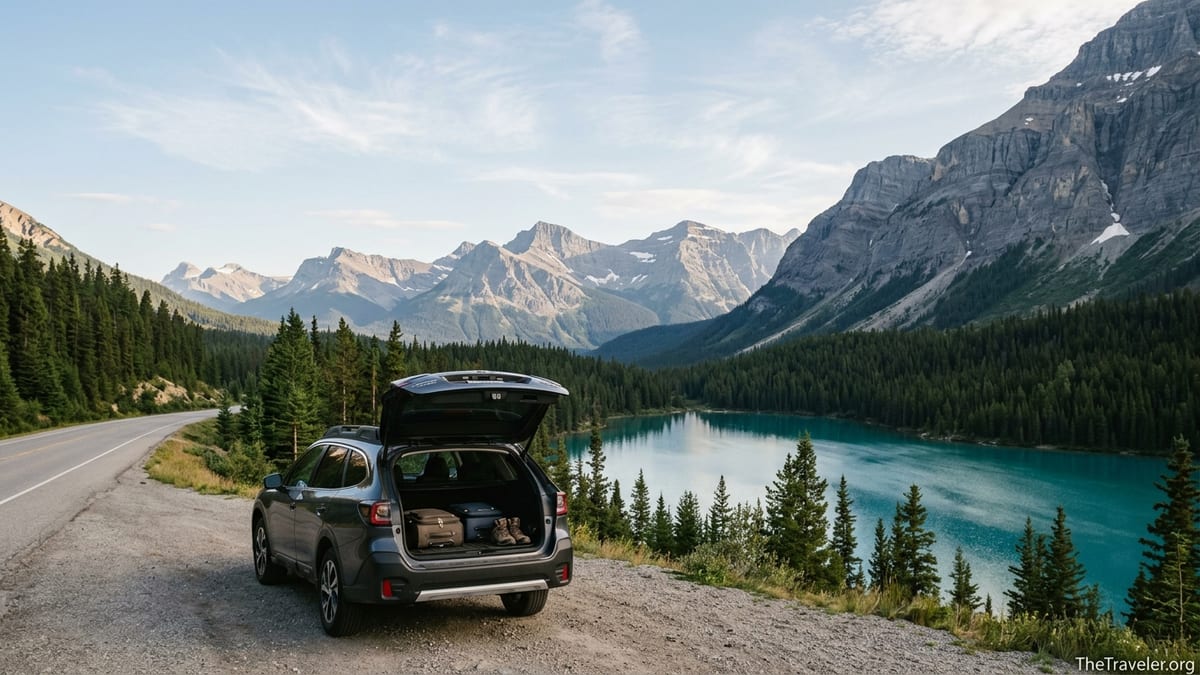
How Western Canada’s Seasons Shape Your Trip
Vancouver, Vancouver Island, and the Canadian Rockies share the same provinces but live in different climates. Vancouver and most of Vancouver Island sit in a temperate coastal zone with mild winters, shoulder-season rain, and pleasantly warm summers. By contrast, Banff, Lake Louise, and Jasper sit high in the Continental ranges, with long winters, snow well into spring, and a short but spectacular summer hiking window from roughly late June to mid September. This means the same dates can deliver beach weather in Vancouver but snow-bound passes in the Rockies.
Those climate differences shape prices and crowds. In Vancouver, July and August bring busy hotels in neighborhoods such as Coal Harbour and Yaletown, with mid-range rooms often double their January rates. On Vancouver Island, Tofino’s beachfront lodges are at their priciest in summer, while storm-watching packages in November can be far cheaper. In the Rockies, a July night in Banff or Lake Louise regularly books out months ahead, whereas a March ski week in nearby Lake Louise or Sunshine Village can offer competitive stay-and-ski packages away from peak holiday periods.
Access is just as crucial as price. Many classic Rockies sights, such as the higher hiking passes near Moraine Lake, the Icefields Parkway picnic areas, and Yoho National Park’s Takakkaw Falls Road, are only reliably accessible from roughly mid June to early October, and some roads close entirely in winter. In contrast, Vancouver’s seawall, Stanley Park, and many low-elevation Vancouver Island trails are open year round, with only the highest island peaks holding snow into summer. Planning around these opening windows is essential if your heart is set on alpine lakes or remote mountain roads.
Because Western Canada is spread out, combining regions in a single road trip demands compromise. A late May itinerary might deliver snow-capped peaks and uncrowded roads on the Icefields Parkway but find many higher hiking trails still closed, while the same dates can offer early wildflowers in Vancouver’s parks and shoulder-season deals in Victoria. The following month-by-month breakdown focuses on what each region realistically offers at different times of year so you can design a trip that fits your priorities.
January to March: Skiing, Storms, and Quiet City Breaks
January is winter’s deep heart in the Rockies. Resorts like Lake Louise Ski Resort, Sunshine Village near Banff, and Marmot Basin near Jasper usually have full snow coverage, with daytime highs often well below freezing and excellent conditions for downhill skiing, snowshoeing, and ice walks in canyons such as Johnston Canyon near Banff. Roads like the Icefields Parkway remain open in winter but can be icy, with avalanche control closures and very limited services between Lake Louise and Jasper. Travelers typically base themselves in Banff, Lake Louise, or Jasper town and join guided excursions rather than attempting long, unassisted winter drives.
In January, Vancouver and most of Vancouver Island are cool and wet rather than deeply cold. Average daytime highs in Vancouver hover just above freezing to single digits Celsius, with frequent rain instead of snow. Hotel rates are often the lowest of the year outside New Year’s, and events such as the city’s winter restaurant festivals make it a strong value city break. On Vancouver Island, the Pacific-facing towns of Tofino and Ucluelet market this period as prime storm-watching season, with cozy lodges offering package rates that are significantly cheaper than their August prices, yet still busy on weekends when visitors come to watch huge Pacific swells crash into the rocks.
February in the Rockies continues the ski focus, often with more stable snowpack and longer daylight for full days on the slopes. Banff and Canmore host winter festivals, ice sculptures, and frozen-lake skating when conditions allow, such as on Lake Minnewanka or the Vermilion Lakes. Accommodation costs remain relatively high in major ski hubs but can be lower than peak summer. Meanwhile, Vancouver and Victoria remain in their cool, rainy rhythm, but this is when you can find some of the best flight and hotel deals of the entire year, making February attractive for travelers who want urban dining, museums, and off-season rates rather than beach days or mountain hikes.
March is a crossover month. In the Rockies, it is still very much ski season, with Banff and Lake Louise typically running lifts into April. March breaks bring family crowds to the slopes, and package prices can rise, but you can still find value in condo-style accommodation in places like Canmore or outside Jasper town. Lower-elevation valley trails may start to emerge from the snow later in the month, but high passes remain firmly in winter. Along the coast, March often brings the first hint of spring: cherry blossoms can appear in Vancouver’s neighborhoods, and whale-watching operators on Vancouver Island’s west coast begin to run more regular tours for migrating gray whales. Rain remains likely, but daytime temperatures are mild enough for comfortable walks around Stanley Park or Victoria’s Inner Harbour.
April and May: Shoulder-Season Road Trips and Early Hiking
April is one of the most mixed months in Western Canada. In the Rockies, ski resorts often still operate, especially at higher-elevation Lake Louise, but snow in the towns can be patchy. Prices in Banff and Jasper can soften once the core spring-break period passes, making April a value choice for travelers who want winter scenery without peak-season prices. However, many hiking trails are either snow-covered or muddy, and classic alpine routes such as those near Moraine Lake or along the Icefields Parkway remain effectively inaccessible for hiking. Wildlife sightings begin to improve as bears emerge from hibernation around the Rockies valleys and lower slopes, and drivers on Highway 1 or Highway 93 may see elk or bighorn sheep near the roadside.
On the coast, April is an underrated month for city and island trips. Vancouver’s average highs climb into the low teens Celsius, and longer days support full sightseeing schedules. Gardens in Victoria and Nanaimo begin to bloom, and ferry schedules between the mainland and Vancouver Island move toward their busier spring rhythm, which helps road trippers string together loops that include both the city and the island. Prices are generally lower than June through August, with mid-range hotels in central Vancouver often significantly cheaper than summer peaks, and popular Vancouver Island retreats outside Tofino often offering shoulder-season specials.
May is when Western Canada begins to feel like summer in some spots but not others. In the Rockies, lower-elevation trails around the town of Banff, Canmore, and Jasper may be mostly clear by mid to late May, letting visitors hike to places like Johnston Canyon, Tunnel Mountain, or Maligne Canyon with only patches of snow. Rivers swell with snowmelt, creating powerful waterfalls at sites such as Athabasca Falls and Sunwapta Falls along the Icefields Parkway. However, higher mountain passes and lakes like Moraine Lake and many day hikes off the Icefields Parkway usually remain snowbound, and some secondary mountain roads in Yoho National Park or Kootenay National Park do not fully open until mid June, depending on conditions.
For coastal travelers, May is one of the best compromise months. Vancouver is often dry enough for comfortable cycling around the seawall and beach walks in Kitsilano without the full summer crowds. On Vancouver Island, towns like Tofino and Ucluelet are transitioning from storm season to summer, with more consistent surf schools operating, early-season wildlife tours for bears and whales, and ocean temperatures still cool but manageable with wetsuits. Accommodation prices climb from winter lows but remain below July and August; it is still possible to find well-located hotels in Victoria or Nanaimo at moderate rates compared with peak season.
June to August: Peak Hiking, Lakes, and Crowds
June is the month when the Rockies and the coast start to align for classic road trips. In the mountains, early June can still bring surprise snow, and some high trails remain closed, but by late June many key routes are accessible. Parks agencies describe late June through early September as the main hiking season in Banff and Jasper, and this is when iconic spots such as the Lake Agnes Teahouse trail, the Plain of Six Glaciers route near Lake Louise, and the valley hikes near Jasper typically become more reliable options. Lake ice breaks up, turning Lake Louise, Peyto Lake, and Emerald Lake in Yoho into shades of turquoise that most visitors associate with postcard images of the Rockies.
At the same time, June is when Vancouver and Vancouver Island step into reliable summer weather. Vancouver’s temperatures often sit in the high teens to low twenties Celsius with relatively low rainfall, making it excellent for cycling, outdoor dining, and using the city as a starting point for longer drives to Whistler or the Okanagan. On Vancouver Island, coastal towns enjoy long daylight hours and increasingly settled seas, which is helpful for whale-watching tours and kayaking trips. Accommodation pricing in June often sits between shoulder-season and peak, especially in the first half of the month, so travelers who want both hiking access and somewhat lower prices may favor late June departures.
July is peak summer across all three regions. In the Rockies, nearly all seasonal roads and services are open, including scenic mountain routes and remote campgrounds that stay snowed in for much of the year. This is the prime window for multi-day road trips along the Icefields Parkway between Lake Louise and Jasper, with full services at the Columbia Icefield area and trailheads accessible for day hikes to viewpoints over glaciers, lakes, and valleys. The trade-off is crowding: parking lots at attractions like Lake Louise and Moraine Lake fill extremely early, leading many visitors to rely on park-operated shuttle systems or guided tours. Accommodation prices are at their highest, with popular lodges around Lake Louise often booked out far in advance and nightly rates that can be significantly higher than in October or April.
On the coast, July brings full-on summer. Vancouver’s beaches at English Bay, Kitsilano, and Spanish Banks draw locals and visitors, and the city hosts numerous festivals and outdoor events that push hotel rates upward. Vancouver Island sees its busiest period in July and August, particularly in Tofino, where beachfront resorts and surf lodges are frequently sold out. For travelers, this period is ideal if you prioritize consistent weather, long hiking days in the Rockies, clear road conditions for extended drives, and guaranteed operation of seasonal activities from zip-lining near Whistler to lake cruises near Jasper. It is less ideal if you are sensitive to high prices or crowds.
August continues the high-summer pattern. Temperatures in the Rockies can be warm at valley level, with cooler nights that are comfortable for camping. Wildflowers reach their full display in many alpine meadows, and high-elevation hikes like those off certain passes along the Icefields Parkway are fully accessible and snow-free in a typical year. On busy days, parking at trailheads and viewpoints can be challenging by mid morning, reinforcing the advantage of early starts or relying on shuttle systems. Across Vancouver and Vancouver Island, August can also bring increased wildfire smoke in some years, which may affect visibility and air quality, particularly for inland drives or when high pressure traps smoke in valleys.
September and October: Larches, Foliage, and Quieter Roads
September is often considered a “secret best” month for Western Canada. In the Rockies, early September can feel like an extension of summer, with clear trails, mild days, and cooler nights. Crowds usually thin slightly after the first week when school holidays end, and accommodation prices can ease, especially for midweek stays. Later in the month, the famous larch trees around areas like Lake Louise and certain high passes turn gold, attracting hikers and photographers but still forming a much shorter peak than the July and August holiday season. Lake levels remain high, and popular lake viewpoints retain their color, making this a particularly strong month for travelers focused on scenery, hiking, and photography.
On the coast, September offers warm days and cooler evenings in Vancouver, with many patios and outdoor venues still open but with fewer peak-summer visitors. Hotel prices begin to edge down compared with August, and ferry traffic between the mainland and Vancouver Island becomes more manageable. For Vancouver Island, September is an excellent time for wildlife: salmon runs in certain rivers attract bears and eagles, and whale-watching trips for orcas and humpbacks continue from ports like Victoria, Campbell River, and Tofino. Ocean temperatures, warmed over the summer, make late-season swimming or surfing in wetsuits more comfortable than in spring.
October shifts more noticeably toward autumn. In the Rockies, early October can still offer pleasant hiking at lower elevations, but snow becomes more likely at higher altitudes, and some mountain roads and campgrounds begin to close for the season by mid month. This can be a rewarding time for visitors focused on fall color in valleys, wildlife viewing as animals prepare for winter, and quieter roads, though you must be prepared with flexible plans in case of early snowfall. Accommodation prices in mountain towns are typically lower than in July and August, making October one of the more budget-friendly times for a road trip that prioritizes scenic drives over high-alpine hiking.
On Vancouver Island and in Vancouver, October marks the return of more frequent rain, but temperatures usually remain mild enough for comfortable city exploration with appropriate layers. Forest trails on the island’s east side burst into autumn color, while the storm-watching season on the island’s west coast begins to ramp up later in the month. Travelers who favor cozy coastal experiences over sunbathing can find competitive rates at oceanfront hotels that were fully booked in summer. This period is particularly good for travelers who want a mix of cultural experiences in Vancouver, relaxed drives on Vancouver Island, and perhaps a short excursion into the Rockies before heavy snow arrives.
November and December: Winter Returns and Off-Season Bargains
November is the quietest month for many parts of Western Canada, and it can be challenging for travelers who expect either full winter or lingering summer. In the Rockies, higher elevations receive snow, but full ski operations may not yet be running at all resorts, and many hiking trails become muddy or icy. Some scenic roads close for the season, limiting access to certain waterfalls and viewpoints except via main highways. However, hotel rates in Banff, Jasper, and Canmore can be considerably lower than in the high summer season, so travelers who prioritize a calm atmosphere, early winter scenes, and hot springs visits, such as at Banff Upper Hot Springs or Miette Hot Springs when open, may find November appealing.
On the coast, November is the beginning of serious storm season. Vancouver often sees more wind and rain, and daylight is shorter, but it remains a functional, lively city with museums, restaurants, and indoor attractions operating as normal. On Vancouver Island’s west coast, November through March is considered prime time for storm watching, and many lodges in Tofino and Ucluelet offer themed packages that include ocean-view rooms, rain gear, and hot drinks by the fire. Prices may rise on weekends when locals and visitors flock to watch powerful Pacific storms, but midweek deals are common compared with July and August.
December in the Rockies brings the return of full winter tourism. Resorts such as Sunshine Village and Lake Louise usually operate with significant terrain open by mid December, and holiday lights and markets appear in Banff and Jasper towns. Christmas and New Year’s weeks are peak-priced periods across ski destinations, with higher room rates and strong demand for ski-in/ski-out accommodation. Outside the holiday window, early December can offer more moderate prices for travelers willing to risk variable early-season snow depths. Winter driving skills and proper equipment are crucial for anyone planning to drive beyond the main towns.
In Vancouver and on Vancouver Island, December is dark, cool, and wet, but festive. City attractions add holiday lights, and indoor-focused itineraries around art galleries, markets, and restaurants work well, particularly when paired with off-season hotel offers. Ferries between the mainland and Vancouver Island operate year round, so you can still plan a combined city and island trip, though storm-related delays are more possible. For travelers who want to experience Western Canada’s winter without extreme cold, a December itinerary split between Vancouver and Victoria can deliver holiday atmosphere, coastal walks, and relative convenience compared with deep-winter Rockies conditions.
Matching Months to Activities and Budgets
If your priority is hiking and alpine lake scenery, the Rockies heavily influence your timing. The most reliable window for snow-free high-elevation hiking around Banff, Lake Louise, and Jasper runs from roughly early July to early September, with late June and late September offering partial access and fewer crowds. Travelers whose must-see list includes trails near Lake O’Hara, viewpoints over Peyto Lake, or ridge hikes along the Icefields Parkway should plan within this band and budget for peak-season prices in mountain towns. Combining this with a coastal leg is straightforward, as Vancouver and Vancouver Island are also warm and active during these months.
Wildlife viewing is more flexible. In the Rockies, spring and early summer are strong for spotting bears and ungulates near valley bottoms, while autumn brings elk rutting seasons and increased movement before winter. On Vancouver Island, whale watching for orcas and humpbacks typically peaks from late spring through early fall, while bear viewing around coastal estuaries can be particularly good in late summer and early autumn when salmon runs return. Shoulder months like May and September balance good wildlife activity with slightly lower prices and lighter crowds than high summer, making them efficient choices for wildlife-focused trips.
Skiers and snow-centric travelers will favor December through March in the Rockies, with January and February often delivering the most consistent mid-winter conditions. During these months, combining coastal and mountain experiences requires careful planning: it is realistic to fly into Vancouver for a couple of city days, then connect by road or short flight to the Rockies for a ski week, but long self-drive loops may be hampered by winter road conditions. Budget-wise, late January and early February weeks outside major holidays can offer more favorable rates than Christmas or President’s Day periods while still delivering deep snow.
For road trip enthusiasts, the ideal months are late May through early October. During this period, the key trans-mountain highways are clear, mountain passes are open, and seasonal services such as fuel stops along the Icefields Parkway operate reliably. June and September are particularly attractive for travelers sensitive to crowds and prices: you can still drive from Vancouver through the interior to the Rockies with long daylight hours, enjoy most scenic stops without peak-summer congestion, and often find lower rates on midweek stays in both city and mountain accommodations. Travelers on tighter budgets might also consider mixing hub choices, such as staying in Canmore rather than Banff, or for Vancouver Island, basing in Courtenay or Parksville rather than Tofino in high season.
The Takeaway
There is no single “best” time to visit Western Canada, only the best time for your priorities. If you dream of turquoise lakes and long alpine hikes in the Rockies, you will likely aim for July or August and accept higher prices and busier trails, perhaps softening the impact by visiting Vancouver and Vancouver Island at the same time when all coastal activities are in full swing. If you want quieter roads, good wildlife, and more manageable budgets, late May, June, and September provide strong compromises that still deliver much of the region’s outdoor appeal.
Travelers focused on skiing, storm watching, and cozy lodge experiences can confidently choose the opposite seasons. A January or February itinerary that pairs a Vancouver city break and Vancouver Island storms with a week of Rockies skiing can be as rewarding as any summer road trip, provided you prepare for winter driving and variable weather. November and April are the trickiest months, offering lower prices but more uncertainty about trail conditions and resort operations, so they best suit flexible travelers who value savings over specific must-see hikes.
Ultimately, Western Canada rewards careful matching of month, region, and activity. Start with your top priorities, whether they are larch-filled hikes above Lake Louise, surfing lessons in Tofino, or driving the Icefields Parkway under clear skies, then work backward to the months when those experiences are most likely. With that approach, you can turn the country’s complex, regionally varied seasons into an asset, crafting a trip that feels timed just right for you.
FAQ
Q1. What is the best month overall to combine Vancouver, Vancouver Island, and the Rockies?
There is no universal best month, but late June and September are strong all-round choices, balancing open mountain trails, good wildlife viewing, and slightly lighter crowds than July and August.
Q2. When is the best time to visit the Canadian Rockies for hiking and turquoise lakes?
For reliable snow-free hiking and fully thawed lakes, plan between early July and early September. Late June and late September can work, but some higher trails and roads may still have snow or limited access.
Q3. When are accommodation prices lowest in Vancouver and Vancouver Island?
Prices are usually lowest from November through March, excluding major holidays. January and February often offer the best combination of low hotel rates and normal city activity in Vancouver, while winter storm season brings deals and special packages on Vancouver Island.
Q4. Which months are best for skiing in the Rockies while still visiting Vancouver?
January through March typically provide the most consistent skiing in Banff, Lake Louise, and Jasper. You can pair this with a milder coastal stay in Vancouver before or after, accepting winter rain on the coast and winter driving conditions in the mountains.
Q5. When is the best time for whale watching around Vancouver Island?
Whale watching generally runs from spring to early fall, with many operators seeing strong orca and humpback activity from about May through September, depending on local conditions and migration patterns.
Q6. Are July and August too crowded to enjoy the Rockies?
July and August are the busiest months, especially at icons like Lake Louise and Moraine Lake, but early starts, shuttle use instead of parking at trailheads, and choosing some lesser-known hikes can still deliver an enjoyable experience.
Q7. Is it safe to drive the Icefields Parkway in winter?
The Icefields Parkway usually remains open year round, but winter brings snow, ice, limited services, and occasional avalanche-related closures. Most visitors without extensive winter driving experience choose to drive it between late May and October.
Q8. What is the best time to see fall colors and larches in the Rockies?
Valley fall colors often peak in late September, while alpine larches around Lake Louise and other high areas usually turn golden from mid to late September, subject to yearly weather variations.
Q9. If I have a tight budget, which months should I avoid?
For budget-conscious travelers, it is wise to avoid late June through August in the Rockies, when room rates peak, and July and August in Vancouver and Vancouver Island, especially in popular resort towns like Tofino.
Q10. Can I swim in lakes and the ocean during summer?
Yes, but conditions vary. Coastal waters near Vancouver and Vancouver Island remain cool even in summer, so many people use wetsuits, while mountain lakes in the Rockies are cold year round and best approached as brief, bracing dips rather than long swims.