


Western Canada is where Pacific coastline, temperate rainforests and glacier carved mountains meet lively, outdoors obsessed cities. For first time visitors, it can feel both thrilling and overwhelming: distances are huge, seasons are dramatic and trip costs add up fast. This guide focuses on the classic first time route through British Columbia and Alberta, including Vancouver, Victoria, Vancouver Island, the Canadian Rockies, Banff and Jasper. It combines up to date practical advice with concrete examples so you can build a realistic, memorable itinerary rather than an exhausting checklist.
Understanding Western Canada’s Regions and Distances
Western Canada usually means the provinces of British Columbia and Alberta, and most first time itineraries focus on a roughly triangle shaped route between Vancouver, Vancouver Island and the Canadian Rockies. Vancouver sits on the Pacific coast, framed by the North Shore Mountains. Victoria and the rest of southern Vancouver Island lie a ferry ride away across the Strait of Georgia. Banff and Jasper anchor the Alberta side of the Canadian Rockies, about 8 to 10 hours of highway driving from Vancouver depending on route and stops. It looks compact on a map but you are crossing mountain ranges and long valleys, so travel days can be slow.
For first trips of 10 to 14 days, visitors typically choose between a loop from Vancouver through the Rockies and back, or a one way journey between Vancouver and Calgary that includes Banff and Jasper. A common pattern is 3 nights in Vancouver, 2 in Victoria, 3 in Banff, 2 in Jasper and 1 in Calgary before flying home. Another option is to cut Victoria and spend more time in the mountains, especially if you are coming primarily for hiking and alpine scenery.
It is important to factor travel time realistically. Driving from Vancouver to Banff in one push can take around 9 to 10 hours without extended sightseeing. Many visitors break this with a night in Kamloops or Revelstoke to avoid a fatiguing day behind the wheel. Urban distances can also surprise people: driving from downtown Vancouver to the main BC Ferries terminal at Tsawwassen can take 45 to 75 minutes in traffic, and summer weekend lineups add further delays if you do not have a reservation.
Because public transport outside cities is limited, most travelers either rent a car, join a bus tour or combine trains and shuttles. Rail journeys like VIA Rail’s Canadian service between Vancouver and Jasper, or luxury sightseeing trains such as Rocky Mountaineer, are memorable but they do not replace a car for flexible day trips once you are in the mountains. Deciding early whether you will self drive, use rail and shuttles or rely on tours will shape how many stops you can realistically include.
Vancouver: Gateway City on the Pacific
Vancouver is usually the starting point for Western Canada trips, thanks to its large international airport and direct flights from hubs like Los Angeles, London and Sydney. The city offers a mix of outdoor access and urban comforts in a compact core. Most first timers stay downtown or in nearby neighborhoods like Yaletown or Coal Harbour so they can walk to the seawall, restaurants and transit. As of 2026, mid range hotels in downtown often run around 300 to 450 Canadian dollars per night for a standard double, with simple chains at the lower end and four star properties higher. During peak periods and major events, central rooms can exceed 600 dollars, so it pays to book months ahead.
For a short stay of two or three nights, visitors often divide their time between the waterfront, Stanley Park and nearby neighborhoods. A typical day combines a morning bike ride or walk around the Stanley Park seawall, an afternoon at Granville Island’s public market or the Museum of Anthropology collection now housed at the Museum of Vancouver complex, and an evening in Gastown or Yaletown. City buses and the SkyTrain rapid transit lines cover most areas tourists visit, with contactless payment accepted on board, so you do not necessarily need a car while in the city.
Vancouver works in almost any season, but experiences change with the weather. Summer from late June through early September offers long daylight, comfortable temperatures commonly in the low to mid 20s Celsius, and dry spells that are ideal for beaches and outdoor patios. Winter is milder than much of Canada, with many days hovering just above freezing and frequent rain instead of snow at sea level. If you visit in November or February, pack a waterproof jacket and shoes and plan for flexible sightseeing that mixes indoor and outdoor options depending on the rainfall.
For those continuing to the Rockies, it often makes sense to finish car rental in Vancouver rather than keep a vehicle parked while you explore the city. You might, for instance, spend three nights downtown without a car, then collect a rental from an in town office on the morning you depart east. This saves several days of rental charges and expensive hotel parking, which in central Vancouver can easily add 40 to 60 dollars per night.
Victoria and Vancouver Island: Coastal Charm and Slower Pace
Victoria, the capital of British Columbia, sits at the southern tip of Vancouver Island and has a very different feel from Vancouver. Its compact Inner Harbour, parliament buildings and Fairmont Empress hotel give it an older, more intimate atmosphere. To reach Victoria from Vancouver, most independent travelers drive or take a bus to the Tsawwassen terminal and board a BC Ferries sailing to Swartz Bay, about 30 minutes north of Victoria. The crossing itself takes about an hour and 35 minutes, gliding through the forested Gulf Islands. Fares change with season and type of ticket, but a small car and driver typically pay on the order of 80 to 120 dollars for a one way trip in standard categories, with passenger only walk on fares significantly lower.
Downtown Victoria is walkable and best explored over one or two nights. Many first timers visit the Royal BC Museum for Indigenous and natural history exhibits, stroll the Inner Harbour and take afternoon tea at a hotel or tearoom. Whale watching tours are another major draw from April into October, with operators using covered boats or open zodiacs to search for orcas, humpbacks and other marine wildlife in the Salish Sea. These three to four hour trips commonly cost around 150 to 200 dollars per adult, with gear and guides included.
Beyond Victoria, Vancouver Island stretches hundreds of kilometers and deserves several extra days if you can spare them. The surf town of Tofino on the island’s west coast is a prime example. Reached by a scenic but winding four to five hour drive from Nanaimo, it offers storm watching, long beaches in Pacific Rim National Park Reserve and high end lodges overlooking the ocean. Accommodation here is limited and pricey, with waterfront resorts often charging well over 400 dollars per night in peak summer and shoulder seasons booking up months in advance. Even simple motels and cabins can sell out during July and August, so early planning is essential.
If your time is short, a practical compromise is two nights in Victoria combined with a day trip around the Saanich Peninsula or Cowichan Valley for farm visits and wineries. Travelers on longer trips, or those more interested in coastal scenery than cities, may skip Victoria’s museums and spend their island time entirely in smaller communities such as Parksville, Ucluelet or Campbell River, using them as bases for hiking, kayaking and wildlife viewing.
The Canadian Rockies: Banff, Jasper and Iconic Mountain Landscapes
The Canadian Rockies form the scenic heart of many Western Canada itineraries, and first time visitors often underestimate both their scale and popularity. Banff National Park, centered on the resort town of Banff and famous areas like Lake Louise and Moraine Lake, and Jasper National Park to the north draw millions of visitors each year. Parks Canada requires all visitors traveling or staying within the national parks to purchase a park pass, which can be bought online, at park gates or visitor centers. Prices change over time, but as a guideline, day passes cost on the order of several dollars per person, while annual Discovery Passes cost under 200 dollars for a group traveling in one vehicle and cover multiple national parks for a year.
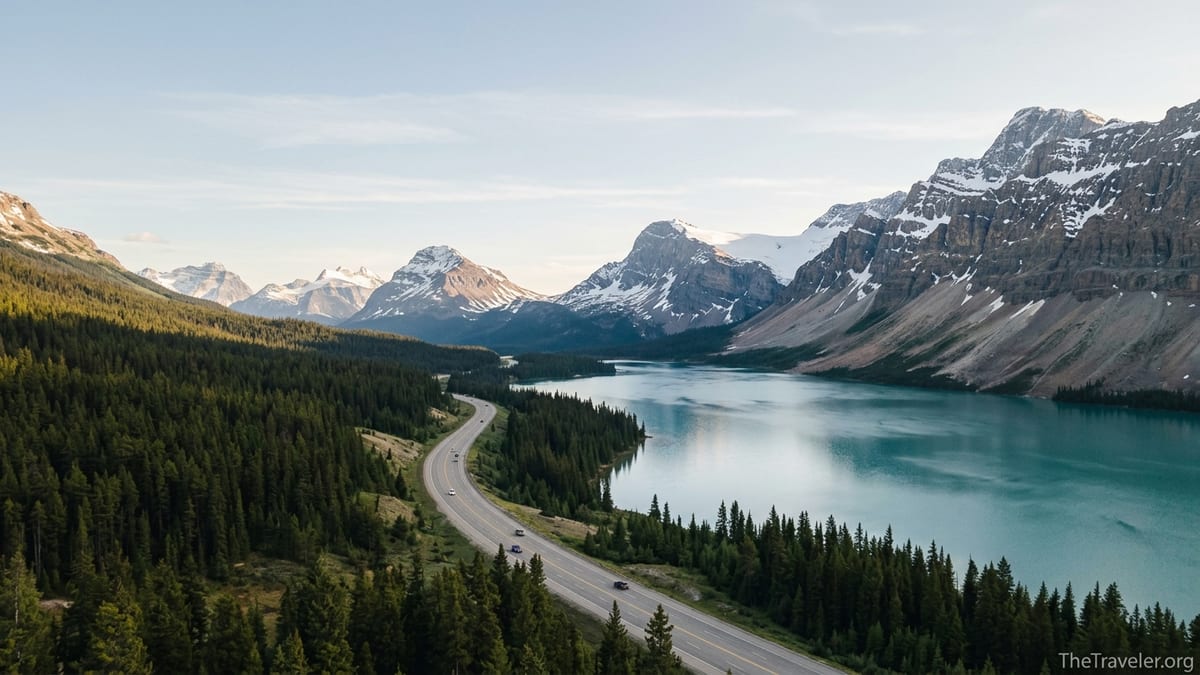
Driving from Calgary to Banff takes around 90 minutes on the Trans Canada Highway, making Banff an easy first stop if you fly into Calgary. From Banff to Lake Louise is another 40 to 50 minutes, and the drive between Lake Louise and Jasper along the Icefields Parkway is one of the most celebrated mountain routes in the world. Many travelers take 6 to 8 hours to cover this section in summer, stopping at viewpoints like Peyto Lake, Bow Lake and the Columbia Icefield. Guided glacier excursions, where you ride a specialized vehicle onto the Athabasca Glacier or walk a glass floored skywalk above the valley, are popular but relatively expensive half day outings that often run over 100 dollars per adult.
Accommodation in Banff and Jasper ranges from hostels and basic motels to luxury hotels and wilderness lodges. In peak season from late June through early September, demand is intense. A straightforward two or three star hotel room in Banff townsite can run 300 to 500 dollars per night, with lakeside properties at Lake Louise significantly more. Many budget conscious visitors stay in outlying areas like Canmore, about 20 minutes from Banff, where condo style rentals and hotels are usually a bit cheaper, or they reserve Parks Canada campgrounds months in advance. Jasper’s lodging scene is slightly more relaxed than Banff’s but still fills quickly in summer, especially during long weekends and major events.
Weather in the Rockies is highly variable. Even in July, daytime temperatures in Banff and Jasper may range from the teens to high 20s Celsius, but nights can be cool, especially at higher elevations. Snow can fall at elevation at almost any time of year, and some hiking trails remain snow covered or muddy well into June. Shoulder seasons in May and late September to early October bring fewer crowds and lower prices, and you can often still enjoy clear days and golden larch or aspen foliage. However, some facilities, shuttle services and seasonal roads close by mid October, and winter visits shift focus to skiing, snowshoeing and short walks rather than high alpine hikes.
Getting Around: Driving, Trains, Buses and Ferries
Most first time visitors find that renting a car is the simplest way to connect Vancouver, Vancouver Island and the Rockies. Major rental brands operate at Vancouver and Calgary airports as well as in city locations. Summer daily rates for a compact or midsize car commonly fall somewhere between 70 and 130 dollars, but can climb higher during peak demand. One way rentals between Vancouver and Calgary often incur additional fees, so comparing a loop that returns to your starting city versus a one way route is worthwhile. Fuel prices fluctuate, but a rough benchmark is that driving a typical rental car from Vancouver to Banff and back via the highways and parks might use a few hundred dollars of gasoline over a two week trip.
Road conditions are generally good, with divided highways on main routes and well maintained two lane roads in the mountains. International visitors should be prepared for long stretches without services, especially in winter and on the Icefields Parkway between Lake Louise and Jasper. Cell coverage can be patchy outside towns, so it is sensible to download offline maps before driving remote segments. In winter, rental companies may or may not provide dedicated winter tires depending on province and timing, so anyone planning to drive between November and March should check tire policies and consider travel insurance that covers delays and weather related changes.
Trains are more about the journey than the schedule in Western Canada. VIA Rail’s Canadian runs between Vancouver and Toronto, with a popular segment between Vancouver and Jasper that winds through the Fraser Valley, the North Thompson River and the Rockies. Schedules and prices vary by season, but the overnight trip typically takes around 19 hours between the two points and offers seat based economy class as well as sleeper and premium options that include meals and access to viewing domes. Luxury sightseeing rail like Rocky Mountaineer operates daylight only routes between Vancouver and the Rockies with hotel stays at intermediate stops. These trips are premium priced, often costing several thousand dollars per person for multi day packages, and are best thought of as once in a lifetime scenic experiences rather than basic transportation.
Buses and shuttles fill in some gaps for travelers who do not want to drive. Companies run coach services between Vancouver and Kamloops or Kelowna, and others connect Calgary with Banff and Lake Louise. Once in Banff or Jasper, local transit and private operators run shuttles to popular trailheads and lakes such as Moraine Lake, Lake Louise and Maligne Lake, especially during the busy summer season when private vehicle access is restricted or parking fills early. On the coast, BC Ferries links the mainland with Vancouver Island and other coastal communities. Vehicle reservations on major routes like Tsawwassen to Swartz Bay are strongly recommended in July and August; foot passengers have more flexibility but should still arrive well before departure to clear ticketing and boarding.
Weather, Seasons and What It Means for Your Budget
Seasonality shapes almost every aspect of a Western Canada trip: what you can do, how much you pay and how busy it feels. Peak season in the Rockies and on Vancouver Island usually runs from late June through early September, when schools are on holiday, trails are mostly snow free and temperatures are warm. This is also when accommodation, rental cars and activities are most expensive. Many hotels in Banff, Jasper and central Vancouver now use dynamic pricing similar to airlines, so Saturday nights in August can cost far more than midweek nights in May. Visiting just a few weeks earlier or later can save hundreds of dollars on a multi night stay.
Spring and fall are appealing for visitors who prioritize value over guaranteed sun. In April and May, Vancouver and Victoria see more rain but mild temperatures and blooming gardens. High elevation trails in the Rockies may still be snowbound, yet valley bottom walks and sightseeing drives are accessible. Hotel rates in cities and mountain towns are often lower than in midsummer, and some properties offer shoulder season packages that include breakfast or parking. Late September and early October bring crisp nights, clearer air and colorful foliage, especially on drives between Banff and Jasper, but a growing number of services shut down by Canadian Thanksgiving in October.
Winter from November through March changes the equation. Vancouver’s climate remains relatively mild, with many days between 0 and 8 degrees Celsius and frequent rain. Nearby mountains like Grouse, Cypress and Seymour offer skiing and snowshoeing within an hour of downtown when conditions allow. In the Rockies, winter transforms Banff, Lake Louise and Jasper into major ski and snow destinations. Lift tickets at resorts such as Sunshine Village, Lake Louise Ski Resort and Marmot Basin typically cost well over 100 dollars per day for adults, though multi day and advance purchase discounts exist. Hotel and rental car prices often drop compared with summer, but visitors should budget for winter clothing, possible storm delays and more limited daylight hours, with dusk coming as early as 4:30 p.m. in December.
Regardless of season, first time visitors sometimes underestimate incidental costs. Daily spending on meals can easily reach 70 to 120 dollars per person if you eat out for every meal in mid range restaurants in Vancouver, Victoria and Banff. Simple ways to keep budgets in check include booking hotel rooms with kitchenettes in mountain towns, shopping at supermarkets such as Save On Foods or Real Canadian Superstore for picnic supplies, and using local transit rather than taxis in cities. Even small savings, such as splitting larger restaurant portions or choosing self catered breakfasts, add up over two or three weeks.
First-Time Planning: Itineraries, Booking Windows and Cost Expectations
For a typical first trip of around two weeks, a balanced itinerary might look like this: arrive in Vancouver for three nights without a car, take the ferry to Victoria for two nights, return to the mainland and drive or take a shuttle to the Rockies for six nights split between Banff, Lake Louise and Jasper, then fly out of Calgary. This outline delivers a mix of coastal and alpine scenery without rushing every day. Travelers with only 7 to 10 days may omit Victoria or shorten Rockies time by focusing on Banff and Lake Louise, recognizing that they will only sample a portion of what the region offers.
Booking timelines matter, especially from late June through early September and again around Christmas and New Year. Mountain lodges, popular hotels in Banff and Jasper and sought after Vancouver properties can sell out many months in advance. As a rule of thumb, aim to secure your core accommodation 4 to 8 months before travel for peak summer visits, and at least 3 months ahead for shoulder seasons. Park campground reservations open on specific dates each year and many sites for July and August book out within hours. Once your flights, key hotels and any high demand activities like luxury rail trips or guided glacier walks are reserved, you can fill in the rest of your days with flexible options.
Costs vary widely depending on travel style, but rough daily budget ranges can help with early planning. Backpackers staying in hostels and camping where possible might spend from 80 to 150 dollars per person per day, including simple meals, park fees and a share of car rental or bus fares. Mid range travelers staying in standard hotels, renting a car and joining a few guided activities often find their daily costs fall somewhere between 250 and 450 dollars per person when two people share a room. Those opting for upgraded accommodations, luxury rail segments and multiple guided excursions can easily exceed 500 to 700 dollars per person per day over a two week itinerary.
Finally, consider building rest and flexibility into your route. It is tempting to schedule sunrise at Moraine Lake, a half day hike, an afternoon drive along the Icefields Parkway and an evening wildlife tour in a single day, but such pacing quickly leads to fatigue. A better pattern is to allow one lightly scheduled day after each major travel day, so that if you arrive in Jasper late on an evening train, you can spend the next morning strolling town and adjusting plans based on weather, trail reports and how you feel. Western Canada rewards those who leave room for slow breakfasts, unexpected viewpoints and the simple experience of watching light change on the mountains.
The Takeaway
Planning a first trip to Western Canada means more than stringing together famous names like Vancouver, Victoria, Banff and Jasper on a map. Distances are long, seasons shift quickly and costs can rise faster than many travelers expect. Yet with realistic expectations, early bookings and a focus on a few key regions rather than everywhere at once, you can create an itinerary that feels immersive rather than frantic. Choosing whether to self drive or rely on a mix of trains, buses and tours is an early decision that shapes your route.
Think in terms of contrasts: coastal forests and island ferries around Vancouver and Victoria, followed by peaks, glaciers and turquoise lakes in the Rockies. Give each area enough time for at least one unhurried day, and match your season to your interests, whether that is alpine hiking, storm watching on the Pacific or winter skiing. With thoughtful planning and a willingness to adapt to mountain weather, Western Canada can deliver exactly what many travelers imagine when they picture the country at its wildest and most beautiful.
FAQ
Q1. How many days do I need for a first trip to Western Canada? For a balanced first visit that includes Vancouver, Vancouver Island and the Rockies, 12 to 14 days is a comfortable minimum. With only a week, most travelers focus on either the coast or the mountains rather than trying to do both.
Q2. Is it better to fly into Vancouver or Calgary for the Rockies? If your priority is Banff and Lake Louise, flying into Calgary puts you closer and cuts driving time. If you also want city and coastal experiences, arriving in Vancouver, exploring the coast, then ending in Calgary after the Rockies works well as a one way route.
Q3. Do I need a car, or can I rely on trains and buses? A car provides the most flexibility, especially for trailheads and early lake visits. However, it is possible to combine trains like VIA Rail’s Canadian between Vancouver and Jasper with shuttle buses and local tours in Banff and Jasper if you prefer not to drive.
Q4. When should I book hotels in Banff, Jasper and Vancouver? For peak summer dates, start looking 4 to 8 months in advance for popular hotels and cabins, and earlier if you have fixed dates or need family rooms. In spring and fall, 2 to 3 months usually offers more choice, though last minute deals are rare in small mountain towns.
Q5. How expensive is Western Canada compared with other destinations? Western Canada is generally more expensive than many parts of the United States and Europe for accommodation and dining, especially in peak season. Mid range travelers often find that daily costs including lodging, food, transport and occasional activities sit comfortably in the mid hundreds of dollars per person.
Q6. What is the best month to visit the Canadian Rockies for hiking? Late July and August offer the most reliable access to high elevation trails and alpine lakes, with most snow melted and long daylight hours. Early September can also be excellent, with fewer crowds and fall colors, though nights are colder and some services start to wind down.
Q7. Do I really need a national park pass in Banff and Jasper? Yes. Anyone traveling, parking or staying within the park boundaries is required to have a valid Parks Canada pass. You can buy one online before your trip or at park gates and visitor centers when you arrive.
Q8. Can I visit Victoria as a day trip from Vancouver? It is possible but makes for a long day, as travel each way involves reaching the ferry terminal, a 90 minute sailing and then a drive or bus into downtown Victoria. Many travelers find that staying at least one night in Victoria makes the trip more relaxed and allows time for museums and the harbor.
Q9. Is winter a good time for a first visit to Western Canada? Winter is ideal if you enjoy skiing, snowboarding or winter scenery and are comfortable with cold temperatures and early sunsets. If your priority is hiking in the Rockies and boat trips on alpine lakes, then late spring to early fall is more suitable for a first trip.
Q10. How far in advance should I book trains like VIA Rail or Rocky Mountaineer? These routes are popular and have limited capacity, so it is wise to book several months in advance, especially for summer departures and private or sleeper cabins. Booking early also increases your chances of securing preferred dates and fare categories.