


Eastern Canada is big, varied and, for many first-time visitors, surprisingly easy to navigate. From Toronto’s glass towers and Niagara’s thunderous falls to the cobbled streets of Quebec City and the salty harbours of Atlantic Canada, this region offers an accessible slice of the country’s urban culture and wild landscapes. This guide focuses on the essentials for planning a first visit to Ontario, Quebec and the Atlantic provinces, with concrete examples on where to go, how to move around, what to expect from the weather and how much you are likely to spend.
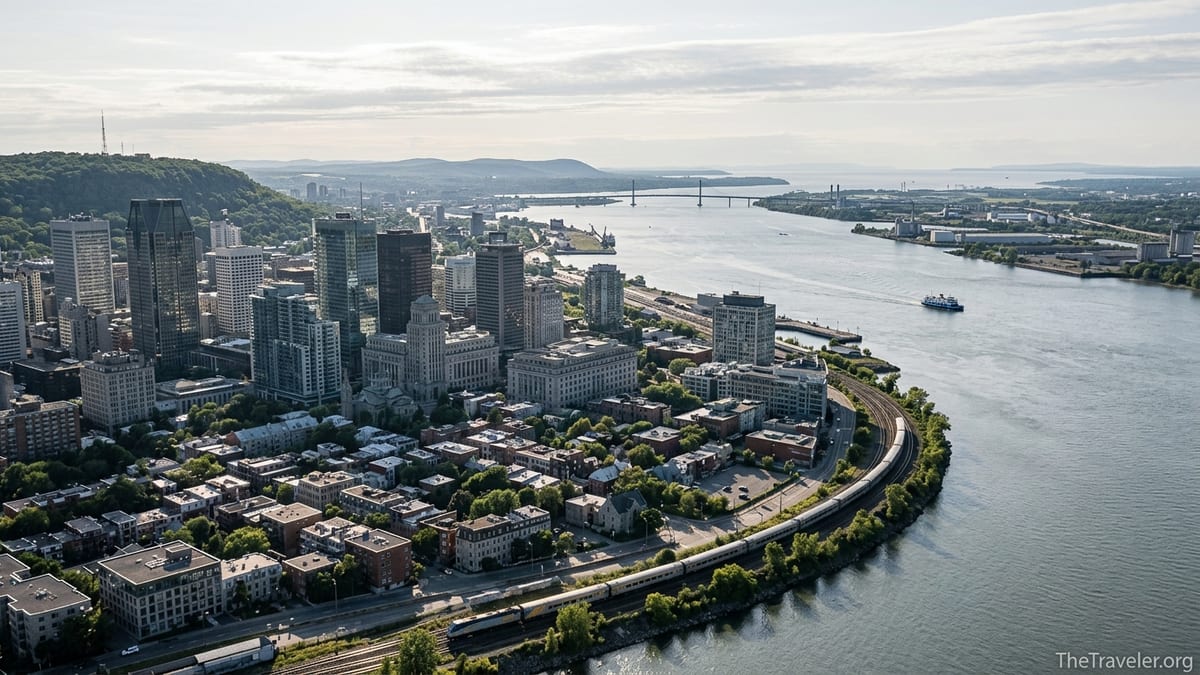
Getting Oriented: Key Regions and Classic First-Time Routes
Eastern Canada usually refers to Ontario, Quebec and the Atlantic provinces of New Brunswick, Nova Scotia, Prince Edward Island and Newfoundland and Labrador. For a first trip of 10 to 14 days, most travelers focus on the corridor between Toronto and Quebec City, then add a shorter side trip to the Atlantic coast if time allows. These areas are linked by frequent flights and intercity trains, making it realistic to combine several cities in one itinerary.
A typical first-time route might start in Toronto, continue by train or car to Niagara Falls for a night, then loop back through Ottawa and Montreal before ending in Quebec City. For example, a Toronto–Niagara–Ottawa–Montreal–Quebec City loop of about 1,300 kilometers can be done in two weeks without rushing, with two or three nights in each major stop. Travelers with more time sometimes add Halifax in Nova Scotia, reached by a roughly two-hour flight from Montreal or Toronto, or a longer rail journey on VIA Rail’s Ocean service from Montreal.
The biggest mental adjustment for many visitors is scale. Distances look small on the map but can be deceptive. Toronto to Montreal is about 540 kilometers by road and takes roughly six hours to drive in normal conditions, similar to driving from New York City to Pittsburgh. Toronto to Halifax is over 1,800 kilometers by car and usually requires at least two long days of driving, which is why many first-time visitors fly that stretch instead.
Because of the distances and weather, planning around a clear theme helps. City lovers often focus on Toronto, Montreal and Quebec City, with a day trip to Niagara Falls. Nature-focused travelers may reduce city nights and build in longer stays in places such as Prince Edward Island’s beaches or Cape Breton Highlands National Park in Nova Scotia. Whatever your priorities, booking the long-distance segments, such as flights and trains between regions, first gives structure to the rest of your plan.
Ontario Highlights: Toronto, Ottawa and Niagara Falls
Ontario is the natural landing point for many international visitors, thanks to Toronto Pearson Airport’s wide range of transatlantic and North American connections. Toronto itself rewards at least three nights. First-timers tend to focus on the CN Tower, a harbourfront cruise on Lake Ontario, and neighborhoods such as Kensington Market or Distillery District. A typical midrange downtown hotel near Union Station, such as a business-branded property with three to four stars, often runs in the range of 230 to 280 Canadian dollars per night for a standard room outside peak events, with higher prices during summer weekends and large conventions.
Niagara Falls is commonly visited as a day trip or overnight from Toronto. Tour companies in downtown Toronto routinely sell full-day excursions that include bus transport and a boat ride to the base of the Horseshoe Falls, often in the 120 to 180 Canadian dollar range per adult depending on inclusions. Going independently is straightforward: driving from downtown Toronto to Niagara Falls takes about 90 minutes in light traffic, and parking near the falls typically costs 20 to 35 dollars for the day. Many visitors choose to stay one night in a hotel overlooking the falls, where rooms with direct views often command a premium compared with properties a few blocks back from the water.
Canada’s capital, Ottawa, sits on the border between Ontario and Quebec and is an easy stop between Toronto and Montreal. The city’s core is compact enough to walk between Parliament Hill, the National Gallery and the historic ByWard Market. In summer, boat tours on the Rideau Canal give a good overview of the city, while in winter the canal sometimes becomes one of the world’s longest skating rinks when conditions allow. Midrange hotels around the downtown core and the market area often fall in the 200 to 260 dollar range per night, with more modest motels on the outskirts priced lower but dependent on a car.
Getting between Toronto, Niagara and Ottawa by car uses a network of major highways. The route from Toronto to Ottawa commonly follows Highway 401 and Highway 416 and takes about 4.5 to 5 hours in normal traffic. Fuel prices fluctuate, but for planning, a compact rental car might use 7 to 8 liters of fuel per 100 kilometers. With fuel at roughly 1.60 to 1.80 dollars per liter, a Toronto to Ottawa drive might cost in the region of 45 to 60 dollars in fuel one way, depending on driving style and vehicle.
Quebec Highlights: Montreal and Quebec City
Quebec brings a distinct French-speaking culture that feels different from Ontario even though the provinces are next door. Montreal is the main entry point, served by an international airport and frequent trains and buses from Ottawa and Toronto. First-time visitors usually base themselves in neighborhoods such as Old Montreal, downtown or the Plateau. A central, midrange hotel might cost 220 to 270 Canadian dollars per night in high season. Cheaper options exist in more residential districts, especially if you are comfortable using the metro.
Montreal is known for its food and festivals. Many travelers plan entire days around tasting smoked meat sandwiches, bagels from long-standing bakeries, and modern restaurants in Mile End. In summer, events such as the jazz and comedy festivals draw crowds and can significantly tighten hotel availability. Visitors who want to keep costs predictable often book flexible hotel rates several months in advance and then recheck prices closer to arrival, as promotions sometimes appear outside peak weekends.
Quebec City, about three hours by train or car from Montreal, offers a smaller and more historic atmosphere. Its walled Old Town and the cliff-top promenade near the Château Frontenac are major draws in all seasons. Hotels inside the Old City walls are often more expensive than places a 10 to 20 minute walk away in neighborhoods such as Saint-Jean-Baptiste or Saint-Roch, where boutique hotels and guesthouses may be 20 to 30 percent cheaper for similar room standards. Many first-time visitors spend two or three nights here, enough time to explore the cobbled streets, visit the Plains of Abraham and take a day trip to Montmorency Falls, about 15 minutes by car or bus from the center.
Driving in Quebec is broadly similar to Ontario but with signage predominantly in French. For example, highway exit signs read “Sortie” and speed limits are posted in kilometers per hour. Montreal’s bridges and rush-hour traffic can be challenging for drivers not used to complicated interchanges, so some visitors avoid renting a car until they leave the city. Between Montreal and Quebec City, the main highway is Autoroute 20 on the south shore of the Saint Lawrence River, with rest areas every 60 to 80 kilometers where you can refuel, buy snacks and use washrooms.
Atlantic Canada: Harbours, Beaches and Slower Travel
The Atlantic provinces introduce a different pace and landscape. Cities are smaller, coastal scenery plays a bigger role, and weather is strongly influenced by the ocean. Halifax in Nova Scotia is the most common first stop, connected to Toronto and Montreal by flights that generally take around two hours. The walkable downtown centers on a historic waterfront lined with boardwalks, seafood restaurants and maritime museums. A midrange harbourfront hotel in summer might range roughly from 230 to 280 Canadian dollars per night, with inland or suburban hotels sometimes priced 30 to 60 dollars lower per night.
From Halifax, many visitors rent a car to explore iconic sights such as Peggy’s Cove, Lunenburg or the Cabot Trail on Cape Breton Island. Peggy’s Cove, about a 45-minute drive from Halifax, is a small fishing village known for its lighthouse perched on smooth granite rocks. Day tours by minibus from Halifax often cost in the 90 to 140 dollar range per person, while renting a compact car for a day can sometimes fall in a similar price range, especially outside peak August weeks. The Cabot Trail, a scenic loop of roughly 300 kilometers around northern Cape Breton, typically requires at least two days with an overnight in a lodge, motel or bed-and-breakfast in small communities along the route.
New Brunswick, Prince Edward Island and Newfoundland and Labrador require a bit more planning because of ferry schedules and limited flights. For instance, reaching Charlottetown on Prince Edward Island from Halifax often involves a four- to five-hour drive including crossing the long Confederation Bridge, or a seasonal ferry from Pictou in Nova Scotia. Newfoundland’s main city, St. John’s, is realistically a separate three- or four-day add-on reached by air, as driving and ferrying from mainland Canada to the island takes significant time and careful coordination with ferry reservations.
Because public transport is sparse outside the main cities, renting a car is usually the most practical way to see Atlantic Canada. Many rental agencies operate in airport terminals and downtown Halifax. During July and August, compact cars can sell out, so booking well ahead is wise. Travelers looking to save money often choose a smaller car and simpler roadside motels or family-run inns, which in rural areas sometimes start around 150 to 190 Canadian dollars per night, with higher prices in peak weeks near popular beaches or national parks.
Trains, Driving and Other Ways to Get Around
For first-time visitors, the main intercity rail option in Eastern Canada is VIA Rail’s corridor service, which links Quebec City, Montreal, Ottawa, Toronto and southwestern Ontario. On busy stretches such as Toronto to Montreal or Montreal to Quebec City, there are typically multiple departures daily. Discounted economy tickets on quieter days and times can sometimes be found in the 60 to 120 Canadian dollar range one way between major cities, while last-minute fares or business class seats are often higher. Booking several weeks in advance and being flexible about departure times usually yields better prices.
Many travelers compare trains with rental cars. Driving offers the most flexibility, especially for visiting smaller towns or wine regions such as Niagara-on-the-Lake. A compact rental car from a major international agency might start around 45 to 70 Canadian dollars per day before insurance, taxes and fuel, with prices spiking during peak summer or when supply is tight. Parking costs vary by city: downtown Toronto hotels may charge 30 to 50 dollars per night for parking, while in smaller cities like Halifax or Quebec City, hotel parking is often somewhat lower, and in smaller towns you may park free on the street.
Intercity buses provide a lower-cost alternative on some routes, though networks are patchy compared with Europe. On corridors such as Toronto to Ottawa or Montreal, private operators run buses with online booking systems and occasional promotional fares that can undercut train prices significantly, at the expense of longer journey times and highway rest stops instead of downtown train stations. For example, passengers might find bus tickets between Toronto and Montreal advertised in the 40 to 80 dollar range one way depending on date and advance purchase.
Within cities, public transport tends to be straightforward. Toronto and Montreal have extensive metro and streetcar systems, and both cities sell day passes that offer unlimited travel on local networks for roughly the cost of three or four single tickets. In smaller cities such as Halifax or Quebec City, bus networks cover main tourist areas but run less frequently in evenings and on weekends. Many visitors combine public transport with ride-hailing services or taxis, which are widely available in major centers and at airports.
Weather, Seasons and What to Expect Month by Month
Eastern Canada experiences four distinct seasons, and conditions vary sharply between regions. Winters in cities such as Toronto, Montreal and Quebec City are cold, with temperatures often below freezing from December to February and regular snowfalls. It is common to see daytime highs around minus five to plus two degrees Celsius in January, with colder snaps. In Atlantic cities such as Halifax, winter temperatures are somewhat milder but can feel raw due to damp air and coastal winds, and snow can quickly turn to rain and back again.
Spring, from late March through May, is a transitional season. Temperatures rise steadily, but weather can flip between chilly rain and warm sunshine in a single week. In Toronto and Montreal, average daytime highs climb from single digits Celsius in March to the high teens by late May. Streetside café terraces begin to open, and events such as tulip and cherry blossom festivals mark the shift to warmer days. Travelers visiting in spring should plan to layer clothing, bringing a light insulated jacket, waterproof outer shell, and closed shoes that can cope with occasional puddles and slush.
Summer, from June through early September, is the peak season for city breaks and coastal trips. In Toronto and Montreal, daytime temperatures often stay in the low to high twenties Celsius, with occasional hotter spells when humidex values push perceived temperatures above 30 degrees. In Atlantic Canada, coastal locations such as Halifax or Prince Edward Island’s beaches enjoy slightly cooler summers, frequently in the low to mid-twenties, which makes them attractive in July and August. This is also the period of highest hotel prices and busiest attractions, so booking popular experiences such as Niagara boat cruises or Halifax whale-watching tours in advance is prudent.
Autumn, from mid September through October, is a favorite period for many visitors. Cooler, drier air and changing leaves transform rural landscapes, particularly in Quebec’s Laurentian region and along Nova Scotia’s Cabot Trail. Daytime highs in cities are often in the low to mid-teens Celsius, dipping to single digits at night. While early autumn can still be busy, especially around Canadian Thanksgiving in October, hotel prices often moderate compared with peak summer, and crowd levels at major sights tend to be lower. Packing a warm sweater, light down jacket and waterproof shoes will help you stay comfortable on cool, crisp days and the occasional rainy spell.
Accommodation, Daily Costs and Sample Budgets
Accommodation is usually the largest single cost in an Eastern Canada trip. In major cities such as Toronto and Montreal, midrange downtown hotels often price in the 220 to 280 Canadian dollar range per night for a standard double room outside major events, with boutique or luxury properties higher. In smaller cities like Halifax or Quebec City, similar midrange hotels downtown may range roughly from 200 to 260 dollars in high season, while simple motels, university residences in summer or budget hotels on the outskirts can fall closer to 140 to 190 dollars per night, especially when booked in advance.
Food costs vary widely depending on choices. A sit-down breakfast at a café might cost 12 to 20 dollars per person, while a quick grab-and-go coffee and pastry can be under 10 dollars. At lunch, many diners offer fixed-price menus in the 18 to 30 dollar range, not including drinks, and a casual dinner with a main course and non-alcoholic beverage at a midrange restaurant often runs 30 to 45 dollars per person before tax and tip. Street food such as poutine from a counter in Montreal, or fish and chips at a Halifax waterfront shack, can keep costs down, with individual dishes often in the 10 to 18 dollar bracket.
To give a rough sense of daily expenses, a budget-conscious traveler staying in hostels or budget hotels, cooking some meals and using public transport might aim for 120 to 180 Canadian dollars per person per day in cities, including accommodation, food and local transport but not long-distance flights. A midrange traveler staying in central three-star hotels, eating at casual restaurants and taking occasional taxis could expect to spend in the region of 220 to 320 dollars per day. Those choosing higher-end hotels, frequent taxis or rental cars and regular fine-dining meals could see daily costs rise above 400 dollars per person, especially in peak summer.
Sales tax is another element to factor in. Most provinces in Eastern Canada apply a harmonized or combined sales tax in the range of about 13 to 15 percent on goods and services, which is added at the register and not usually included in advertised prices. On restaurant meals, it is customary to tip waitstaff around 15 to 20 percent on the pre-tax total. For example, a dinner bill of 80 dollars before tax might end up around 90 to 92 dollars after tax, and 104 to 110 dollars once a standard tip is added.
First-Time Planning Tips and Practicalities
For a first trip, the most important decision is when to come. Visitors who prioritize comfortable temperatures and outdoor activities often choose late June, July, August or early September, accepting higher prices in exchange for festivals, long daylight hours and easier road conditions. Those who want fall colors and cooler air may prefer late September or early October. Winter visits appeal to travelers interested in snow sports, Christmas markets or Quebec’s famous winter carnival, but require proper cold-weather clothing and flexibility for occasional weather-related transport disruptions.
Booking logistics benefit from a clear order. Many travelers first secure international flights into a major hub such as Toronto or Montreal, then add any domestic flights or key train journeys, such as Toronto to Montreal or Montreal to Halifax. After that, they reserve accommodation in each city, targeting cancellable rates where possible. Closer to departure, they fill in day trips and activities, such as a Niagara boat tour, a guided Old Montreal walking tour or a Halifax harbour cruise. This layered approach reduces the risk of discovering that a crucial link, like a preferred train departure or a boutique inn in a small town, is sold out after you have already locked in flights.
Travel documents and money are straightforward for many visitors but still warrant checking. Citizens of several countries can enter Canada visa-free for short visits but often need an electronic travel authorization when flying. Others require a visitor visa. Processing times can vary, so confirming requirements and applying well in advance is sensible. On arrival, bank machines are widely available and accept most international cards, though your home bank may charge foreign transaction fees. Major credit cards are accepted at hotels, restaurants and transport companies, while small vendors in markets or rural areas may still prefer cash.
Safety and health considerations are generally simple. Eastern Canadian cities routinely rank as safe by North American standards, and most visitors feel comfortable walking in downtown areas by day and in busy districts at night, taking the usual big-city precautions. Tap water is safe to drink in cities and most towns. Pharmacies and walk-in clinics are widely available, and larger cities host major hospitals. Travel insurance that covers medical care and trip interruptions is strongly recommended, as non-residents may face significant costs for emergency treatment. In winter, paying attention to weather forecasts is important, as snowstorms and freezing rain can cause short-notice road closures and transport delays.
The Takeaway
Eastern Canada offers a manageable introduction to the country’s diversity, combining major English- and French-speaking cities with accessible nature and seacoast. Ontario delivers big-city energy and headline attractions such as Toronto’s skyline and Niagara Falls. Quebec layers on history and European-influenced culture in Montreal and Quebec City, while Atlantic Canada rewards those willing to plan a little more with quiet harbours, beaches and some of the region’s most memorable landscapes.
For first-time visitors, the keys to a smooth trip are realistic expectations about distances and weather, early booking of crucial flights and trains, and a flexible daily plan that balances marquee sights with time to wander. With a thoughtful itinerary, a sense of seasonal conditions and a clear picture of likely costs, you can build a journey that moves comfortably from glass towers and government buildings to cobblestones, lighthouses and ocean views, all within a single region of the country.
FAQ
Q1. How many days do I need for a first trip to Eastern Canada? For a first visit focusing on Toronto, Ottawa, Montreal and Quebec City, many travelers find 10 to 14 days comfortable. That allows two or three nights in each major city and at least a day trip to Niagara Falls. Adding Atlantic Canada usually requires an extra three to five days, especially if you want to explore beyond Halifax.
Q2. Is it better to travel by train or rent a car? It depends on your priorities. Trains work well between major cities such as Toronto, Ottawa, Montreal and Quebec City, offering downtown-to-downtown travel without parking hassles. Renting a car makes more sense for Niagara wineries, rural Quebec or Atlantic Canada’s coastal routes, where public transport is limited. Some visitors combine both, using trains between cities and renting a car for specific segments.
Q3. When is the best time of year to visit Eastern Canada? Late June through early September offers warm weather, festivals and long days, but also higher prices and more crowds. Late September and early October bring cooler temperatures and fall colors, which many visitors consider an ideal compromise. Winter offers unique experiences such as ice skating and winter carnivals but requires preparation for snow, ice and short daylight hours.
Q4. How expensive is Eastern Canada compared with the United States or Western Europe? Costs are broadly comparable to midrange North American or Western European cities. Hotel and restaurant prices in Toronto and Montreal can feel similar to those in large US or European centers, while smaller cities and rural areas are often somewhat cheaper. Budget-conscious travelers can reduce expenses by choosing simpler accommodation, using public transit and eating some meals at casual or takeaway places.
Q5. Do I need to speak French to travel in Quebec and Atlantic Canada? In Montreal, Quebec City and other tourist centers, staff in hotels, restaurants and attractions usually speak English and French. Road signs and some menus may appear primarily in French, but English-language information is common. In Atlantic Canada, English dominates, though you may hear French or local dialects in certain communities. Learning a few basic French phrases is appreciated but not essential for most visitors.
Q6. What should I pack for a summer trip to Eastern Canada? For summer, bring lightweight clothing for warm days, a light sweater or jacket for cooler evenings, and a compact rain shell for sudden showers. Comfortable walking shoes are important for cobblestone streets in older city districts and for coastal paths. In Atlantic Canada, evenings by the water can feel cooler than inland cities, so an extra layer is useful even in July and August.
Q7. Is it necessary to book hotels and trains in advance? In peak travel periods such as July, August and major festival dates, advance booking is strongly recommended. Popular downtown hotels and convenient train departures can sell out or increase sharply in price closer to the date. Outside peak times, you may have more flexibility, but reserving at least the first few nights and main intercity transport helps keep your itinerary stable.
Q8. Are there any driving challenges for visitors from abroad? Visitors used to right-hand traffic usually adapt quickly. The main challenges are winter conditions, heavy traffic in large cities and long distances between refueling points in rural areas. Snow, ice and freezing rain are common in winter, so drivers without cold-weather experience may prefer trains or buses in that season. In cities, parking can be expensive, and narrow, one-way streets in historic districts require extra attention.
Q9. Can I see whales or other wildlife on a first-time itinerary? Yes, with some planning. Whale-watching tours operate from several ports in Atlantic Canada and from parts of Quebec along the Saint Lawrence River during specific seasons, usually from late spring through early autumn. These excursions typically last a few hours and offer chances to see marine mammals and seabirds, though sightings are never guaranteed. Booking during peak migration periods and choosing reputable operators increases the likelihood of a rewarding outing.
Q10. How reliable is the weather forecast, and how should I plan around it? Weather in Eastern Canada can change quickly, especially in spring and along the Atlantic coast. Forecasts are generally reliable a few days out but less precise further in advance. Many travelers build flexibility into their itineraries by scheduling indoor activities such as museums or food tours on days with a higher chance of rain, and keeping outdoor hikes, boat trips and coastal drives for periods when forecasts show clearer conditions.