


Northern Canada is one of the world’s last great frontiers, a region of big skies, bigger distances and travel logistics that can quickly overwhelm first-time visitors. Choosing between aurora packages in Yellowknife or Whitehorse, fly-in polar bear lodges near Churchill, Inuit-guided trips in Nunavut or custom small-group expeditions across the tundra is not just about scenery. It is about cost, safety, cultural respect and how remote you are prepared to go. This guide compares the main types of tours on offer in 2025–2027 and explains when guided travel in the North is not optional but effectively essential.
Aurora Packages: Yellowknife, Whitehorse and Beyond
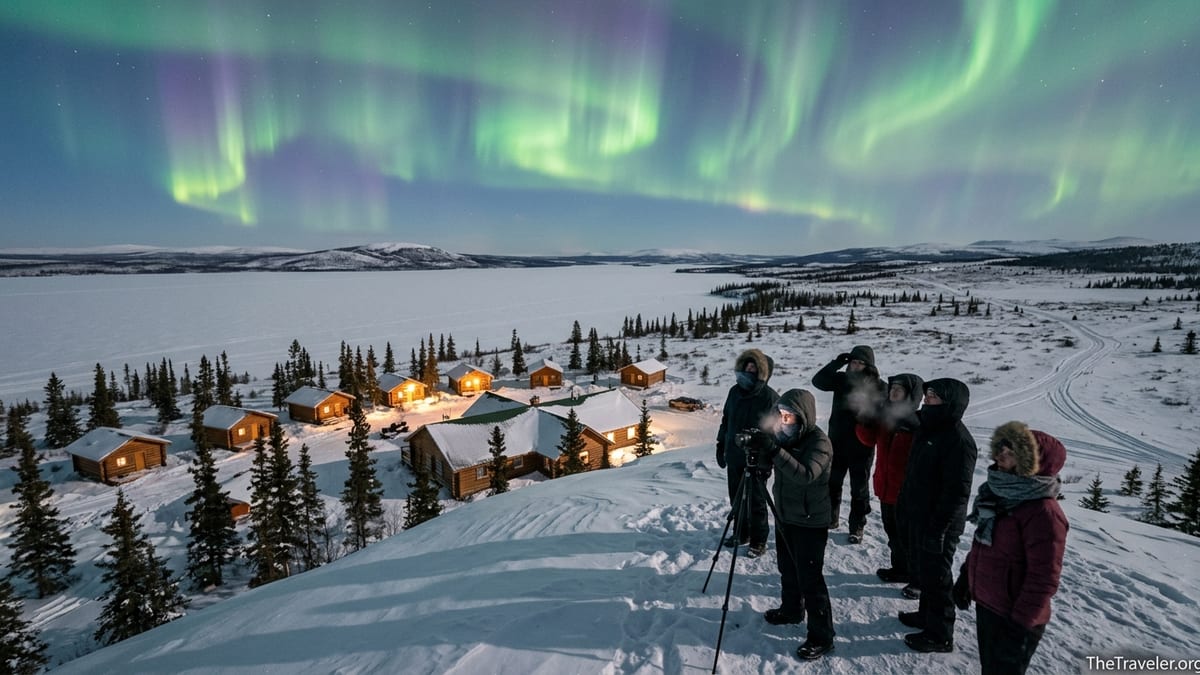
For many travelers, the first northern Canada trip starts with the aurora borealis. The most accessible hubs are Yellowknife in the Northwest Territories and Whitehorse in the Yukon, where multiple operators bundle airport transfers, hotels and nighttime aurora excursions. In Whitehorse, for example, 3 to 5 day aurora-chasing packages for the 2025–2026 winter season commonly start around 550 to 650 US dollars per person for a basic 3 days 2 nights package in an economy hotel, rising to roughly 1150 dollars for a 5 days 4 nights stay in a higher-grade property. These packages typically include evening drives to darker viewing areas, winter clothing rentals and warm shelters where you wait for the lights.
Yellowknife, further north and with clearer winter skies, has an even stronger reputation for high aurora visibility. Here, many visitors book night-by-night aurora excursions instead of full packages, especially if they are comfortable handling their own flights and hotel bookings. A standard guided aurora viewing night from Yellowknife, including hotel pick-up, hot drinks and use of a heated cabin or tent, often runs in the range of 120 to 200 Canadian dollars per person, with surcharges for photography packages or small-group upgrades. Budget-conscious travelers might arrive on their own but still rely on local guides to reach safe, dark sites away from city lights and extreme wind chill.
More exclusive options focus on aurora viewing in wilderness lodges accessible only by winter road, snowmobile or short flights. In northern Alberta and the Northwest Territories, for instance, some Indigenous-owned camps combine teepees or traditional cabins, guided aurora storytelling and daytime activities like snowshoeing or dogsledding. Rates are higher than in-town packages, but the experience is quieter and more immersive, with group sizes often capped under a dozen guests. For many travelers, this is the sweet spot between comfort and a genuine feeling of being out on the land.
In the most remote northern communities and fly-in lodges, the aurora is simply part of the night sky rather than the sole focus of a tour. At caribou and fishing lodges hundreds of miles from the nearest road, guests often watch the lights from the cabin porch after days of hiking or wildlife viewing. These trips cost significantly more than urban aurora packages but can deliver a fuller Arctic experience, especially for repeat visitors who want more than one signature spectacle.
Arctic Wildlife Trips: Polar Bears, Belugas and Caribou
Northern Canada wildlife tours range from day trips out of small towns to week-long fly-in stays where the only neighbors are polar bears, beluga whales or migrating caribou. The best-known hub is Churchill in northern Manitoba, sometimes dubbed the polar bear capital of the world. In October and November, multiple operators run polar bear viewing tours using custom vehicles that traverse the tundra on set trails. A single day on one of these tundra vehicles often costs several hundred Canadian dollars, while 3 to 5 day packages including flights from Winnipeg, accommodation and guided activities can easily reach several thousand dollars per person.
Churchill is also renowned for summer beluga whale viewing. From roughly July to August, thousands of belugas gather in the Churchill River estuary, and tour companies offer zodiac cruises, larger-boat excursions and occasionally kayaking experiences. A half-day beluga tour might be priced around 200 Canadian dollars per person, sometimes bundled with guided visits to historic sites or short tundra drives where you may spot foxes, birds and the occasional early-season bear along the coast. While independent travelers can reach Churchill by air and arrange local tours on arrival, seasonality and limited capacity mean advance bookings are strongly recommended.
For travelers seeking more solitude or a stronger sense of wilderness, fly-in wildlife lodges offer another tier of experience. At remote cabins in Nunavut or the Northwest Territories, guests may spend a week in small groups watching caribou migrations, muskox herds or Arctic foxes. One Canadian lodge host writing about their autumn season described being more than 100 miles from the nearest road, accessible only by chartered bush plane, with caribou flowing past the cabin every day and northern lights at night. These lodges typically charge premium rates that include charter flights from a regional hub, full board and guided outings, putting them firmly in the “trip of a lifetime” category.
Even within the wildlife category, there is a spectrum between more controlled environments like Churchill’s established tour routes and frontier-style expeditions in Nunavut or on Baffin Island. In the latter, operators often partner with Inuit guides skilled in navigating sea ice, tracking polar bears and reading fast-changing weather. These trips, frequently scheduled between March and June for safe snowmobile travel and floe-edge conditions, can involve tented camps or basic cabins, and they demand realistic expectations about comfort and weather delays.
Indigenous-Led Experiences and Cultural Context
Across northern Canada, Indigenous tourism is not a side activity but increasingly central to how visitors experience the region. Dene, Inuit, Métis and other Indigenous communities have lived under the northern lights, harvested from these lands and traveled these rivers for generations. Many now operate their own aurora viewing camps, dogsledding outfits, fishing lodges and cultural tours, or co-design itineraries with non-Indigenous partners. In the Northwest Territories, for example, Indigenous-led aurora camps near Yellowknife welcome guests into teepees or warmed cabins, sharing stories, traditional foods and star lore while watching the sky.
In northern Alberta, Indigenous-run wilderness villages and camps offer multi-day stays that blend aurora viewing with on-the-land skills such as berry picking, medicinal plant walks, ice fishing and winter shelter building. These businesses emphasize that visitors are not just looking at scenery but stepping into living cultures. At some operations, activities might include Indigenous culinary demonstrations, craft workshops and storytelling circles recognizing the land as treaty territory and ancestral home. Joining such tours directs your travel dollars into local communities while providing a deeper understanding of the North than a quick photo stop at an aurora viewpoint.
On Canada’s Arctic coasts and islands, Inuit-owned or Inuit-partnered operators lead everything from floe-edge wildlife excursions to spring snowmobile journeys across sea ice. Travelers might spend days scanning for polar bears, seals and narwhal while learning how local people have relied on this environment for food, clothing and spiritual connection. These tours tend to be small-scale, often capped at half a dozen guests, and rely heavily on local knowledge for safety. Prices are high because charters, fuel and equipment in remote communities are expensive, but the experience is rare and directly linked to community livelihoods.
When comparing tour options, look for clear statements that an experience is Indigenous-owned or co-created with Indigenous partners, and consider itineraries that integrate cultural activities rather than treating them as add-ons. National and territorial tourism bodies now maintain lists of recognized Indigenous tourism businesses, and recent Canadian reports note strong traveler interest in these experiences. Booking with such operators is one of the most direct ways to ensure your northern adventure supports the people who have cared for these lands and waters for millennia.
Hiking Expeditions, Paddling Trips and Backcountry Routes
For active travelers, Northern Canada’s rivers and mountains are a huge draw, from the canyons of Nahanni National Park Reserve to the peaks of Kluane National Park and the rolling tundra of the barrens. In practice, however, very little of this backcountry is suitable for unguided visitors without extensive wilderness experience. Access is often by floatplane or chartered helicopter, trails may be unmarked and there is no cell coverage. Guided expeditions, many of them small group trips, bridge that gap by handling river logistics, bear safety and navigation.
Classic northern river trips, such as multi-day paddling on the Nahanni, usually include charter flights in and out, camping gear, meals and experienced guides who understand water levels and weather patterns. Prices can reach several thousand dollars per person for 7 to 14 day itineraries, reflecting the high cost of air support and gear transport. Similar dynamics apply in Kluane, where guided backpacking or trekking around glaciers requires glacier travel skills, crevasse awareness and route-finding that most visitors simply do not have. Here, guided travel is less a luxury than a basic safety measure.
Shorter hiking experiences are available out of road-accessible towns like Whitehorse, Yellowknife and Iqaluit. Operators offer day hikes to viewpoints, tundra rambles during the brief Arctic summer and even night hikes under the aurora in winter, often priced similarly to day tours elsewhere in Canada. These trips usually include transportation from town, snacks and a guide trained in wildlife awareness and local history. They can be a good choice if you want to experience the northern landscape more actively without committing to a full expedition.
Even if you are an experienced hiker in the south, it is important to recognize that the combination of remoteness, weather volatility and wildlife in northern Canada can make seemingly simple routes serious undertakings. A guided group provides not only local knowledge but also a margin of safety in case of sudden temperature drops, injuries or encounters with bears. Independent multi-day backcountry travel is best reserved for those with advanced skills, detailed local research and a solid emergency plan.
Fly-In Adventures, Lodges and When Guides Are Essential
Fly-in adventures are one of the most distinctive features of northern Canada travel. Many lakes, tundra plateaus and coastal inlets are reachable only by small aircraft on floats or skis. At the simpler end of the spectrum, anglers or hikers might charter a one-way floatplane drop and arrange a later pick-up, packing all camping gear and food. More commonly, visitors book into fly-in lodges that package air transfers, accommodation and guided activities into a single rate, simplifying logistics and spreading charter costs across the group.
Remote wildlife and fishing lodges in Nunavut, northern Manitoba, the Northwest Territories and the Yukon often welcome just a handful of guests at a time. Stays typically run 5 to 7 nights, including return charter flights from the nearest regional airport, full board and daily guided excursions. Prices run high compared with southern resorts because every piece of fuel, food and building material must be flown in or brought in on short seasonal roads. In exchange, you may step out of your cabin each morning into a landscape of unbroken tundra, with the chance of seeing caribou, muskox or northern lights without leaving the property.
In many of these settings, attempting unguided travel is unwise or outright impossible. Local authorities and Indigenous communities know the hazards: unmarked cliffs, thin ice, rapidly rising rivers and wildlife that can be dangerous if surprised or habituated. Operators design itineraries around safe routes, seasonal conditions and emergency plans that an individual visitor would struggle to assemble. In some Nunavut wildlife areas, regulations also require visitors to travel with licensed local guides, particularly where polar bears are present or sea ice travel is involved.
In frontier contexts like floe-edge polar bear viewing, backcountry snowmobile journeys or week-long caribou migration camps, guided travel is effectively non-negotiable unless you have comparable Arctic field experience and strong local connections. Even then, many seasoned adventurers choose to partner with Inuit or Dene guides who understand local weather, wildlife behavior and cultural protocols. When booking, ask operators about guide-to-guest ratios, emergency communication systems and evacuation arrangements so you understand how risk is being managed.
Small-Group Tours vs Custom Private Trips
Most northern Canada tours fall into two broad formats: scheduled small-group departures and custom or private trips. Small-group tours, often capped at 8 to 16 travelers, are common for aurora packages, Churchill wildlife itineraries and river expeditions. They spread fixed costs like charter flights and guide wages across a number of guests, making high-cost logistics more affordable. For example, a 5 day aurora package in Whitehorse or Yellowknife may be operated on fixed departure dates each winter, with prices tiered by accommodation level rather than group size.
Custom trips, on the other hand, allow you to set dates, adjust pacing and tailor activities to your interests, whether that means more time photographing wildlife, visiting specific Indigenous communities or focusing on backcountry hiking. These itineraries might be designed for a couple, a family or a private group of friends. Because charters and guides are reserved exclusively for you, private trips typically cost significantly more per person than joining a scheduled group, especially when aircraft are involved. They may, however, offer better value for larger family groups who can fill most or all available spaces.
Another consideration is social atmosphere. Small-group aurora tours or river expeditions can be a good fit for solo travelers or couples who enjoy meeting others, sharing costs and benefiting from the group’s collective experience. Private trips, by contrast, appeal to those seeking privacy, photographers needing flexibility or travelers with specific access or dietary needs that are harder to accommodate in a fixed program. In Indigenous-led contexts, a private or very small group can also allow more time for informal conversation and cultural exchange, provided you approach it respectfully.
Either way, read itineraries carefully. A package marketed as “small group” might still use large buses for airport transfers or include time with other groups at shared aurora camps. Conversely, some operators in the Northwest Territories and Nunavut keep groups to six or fewer guests by design, especially in wildlife or cultural settings where a low footprint is essential. If group size and intimacy matter, ask operators explicitly how many guests they take, how many guides accompany each group and what level of flexibility you have each day.
Planning, Costs and Practical Tips for Northern Canada Tours
Travel in northern Canada requires more lead time and budget planning than many first-time visitors expect. Seasonal windows are short. Churchill’s peak polar bear season generally concentrates in October and early November, while its beluga season is focused on midsummer. Prime aurora viewing in Yellowknife and Whitehorse tends to run from roughly late August or September through March, with midwinter offering the longest nights but also the coldest temperatures. River paddling and tundra hiking seasons are compressed into a few brief summer months when ice has retreated and daylight is long.
Costs layer quickly: flights from southern hubs to gateways like Yellowknife, Whitehorse, Winnipeg or Iqaluit; onward regional flights or charters; accommodation; clothing rentals and daily tours. A budget-minded traveler might limit spending by choosing a short aurora package with guesthouse accommodation, focusing on day tours rather than fly-in lodges and traveling shoulder seasons when possible. At the other extreme, a high-end fly-in polar bear or caribou lodge package can rival safari pricing, especially once add-ons like single supplements and photography workshops are included.
Insurance and flexibility matter. Weather delays are routine, particularly for charters and small regional flights. Operators are accustomed to reshuffling itineraries, but you should build buffer days into your plans and carry travel insurance that covers missed connections and emergency evacuations where available. Proper clothing is also non-negotiable: even if parkas and boots are provided, layering systems, hand warmers and face protection can make or break an aurora night or zodiac cruise in Arctic wind.
Finally, approach northern Canada with a mindset of partnership rather than consumption. Respect local guidance about wildlife viewing distances, off-limits cultural sites and photography, especially in Indigenous communities. Choose operators that prioritize safety, environmental care and local benefits, even when they are not the absolute cheapest. In such a vast and fragile region, the quality of your guides and hosts is at least as important as the number of auroras or bears you see.
FAQ
Q1. When is the best time of year to book an aurora tour in northern Canada?
The most reliable aurora viewing typically runs from roughly late August or September through March, with peak darkness and colder temperatures from about November to February. Some operators schedule trips as late as early April when nights are still long enough in places like Yellowknife and Whitehorse.
Q2. Do I really need a guided tour to see the northern lights?
In cities like Yellowknife and Whitehorse you could technically rent a car and drive to darker areas, but guided tours provide safer site selection, local weather knowledge, heated shelters and help with photography. In remote areas, especially where winter roads, snowmobiles or sea ice are involved, guides are strongly recommended and sometimes required.
Q3. How far in advance should I book a polar bear trip to Churchill or Nunavut?
For peak Churchill polar bear season in October and November, booking 9 to 18 months ahead is common, especially for tundra vehicle packages that include accommodation. More remote Nunavut or Baffin Island polar bear and floe-edge trips may also require a year or more of lead time because group sizes and departure windows are limited.
Q4. What is the difference between Churchill polar bear tours and more remote Arctic wildlife trips?
Churchill offers relatively accessible, vehicle-based viewing with established itineraries and infrastructure, which many first-time visitors appreciate. Remote Arctic trips, often reached by charter flights or snowmobile, involve smaller groups, more basic or camp-style accommodation and closer partnership with Inuit or local guides, but require higher budgets and more tolerance for weather delays and rough conditions.
Q5. Are Indigenous-led tours more expensive than other options?
Prices vary widely. Some Indigenous-led aurora and cultural tours in gateway towns are similarly priced to other local operators. Remote Indigenous-owned or co-managed lodges and expeditions can be costly because of logistics, but they often deliver more intimate, small-group experiences and ensure a greater share of revenue remains in the community.
Q6. What level of fitness is required for northern hiking or paddling expeditions?
Short day hikes and easy paddling near towns are accessible to most reasonably active travelers. Multi-day river trips, tundra treks or glacier hikes demand better fitness, comfort with camping and a willingness to handle variable weather. Tour descriptions usually specify difficulty levels, but when in doubt ask operators direct questions about daily distances, elevation and camp routines.
Q7. How much should I budget for a week-long northern Canada tour?
Costs depend heavily on style. A relatively simple 5 day aurora trip, including flights from a major Canadian city, midrange accommodation and nightly guided excursions, might start around the low to mid four-figure range per person in US dollars. Fly-in wildlife lodges, polar bear tours and custom private expeditions typically cost significantly more once charters and guiding are factored in.
Q8. Is it possible to self-drive in northern Canada instead of joining tours?
In parts of the Yukon and Northwest Territories there are paved and gravel highways linking communities, and road trips are possible in summer. However, many key wildlife and cultural experiences, particularly in Nunavut and on the Arctic coast, are not road-accessible at all. Even on drivable routes, guided side trips are often the safest way to reach trailheads, river put-ins or wildlife viewing spots.
Q9. What kind of camera gear is recommended for aurora and wildlife tours?
A modern camera with good low-light performance, a wide-angle lens in the 14 to 24 millimeter range and a sturdy tripod is ideal for aurora photography. For wildlife, a telephoto lens, spare batteries and weather protection help. Many aurora and wildlife guides offer basic photography coaching, and some high-end trips include specialist photo leaders.
Q10. How do weather and delays affect northern Canada itineraries?
Weather can disrupt small aircraft, boats and even road travel, particularly in shoulder seasons and winter. It is common for itineraries to be adjusted at short notice. Plan at least one buffer day at the start and end of complex trips, carry flexible onward tickets where possible and choose operators who clearly explain how they handle weather-related changes.