


Western Canada looks like a dream in photos, but trip costs can climb quickly once you factor in hotel rates in Vancouver, rental cars in peak summer, national park passes and the price of a Rockies sightseeing tour. This guide walks through realistic, current ballpark prices for key trip components, then translates them into sample budgets for 7, 10 and 14 day itineraries so you can plan with your eyes open.
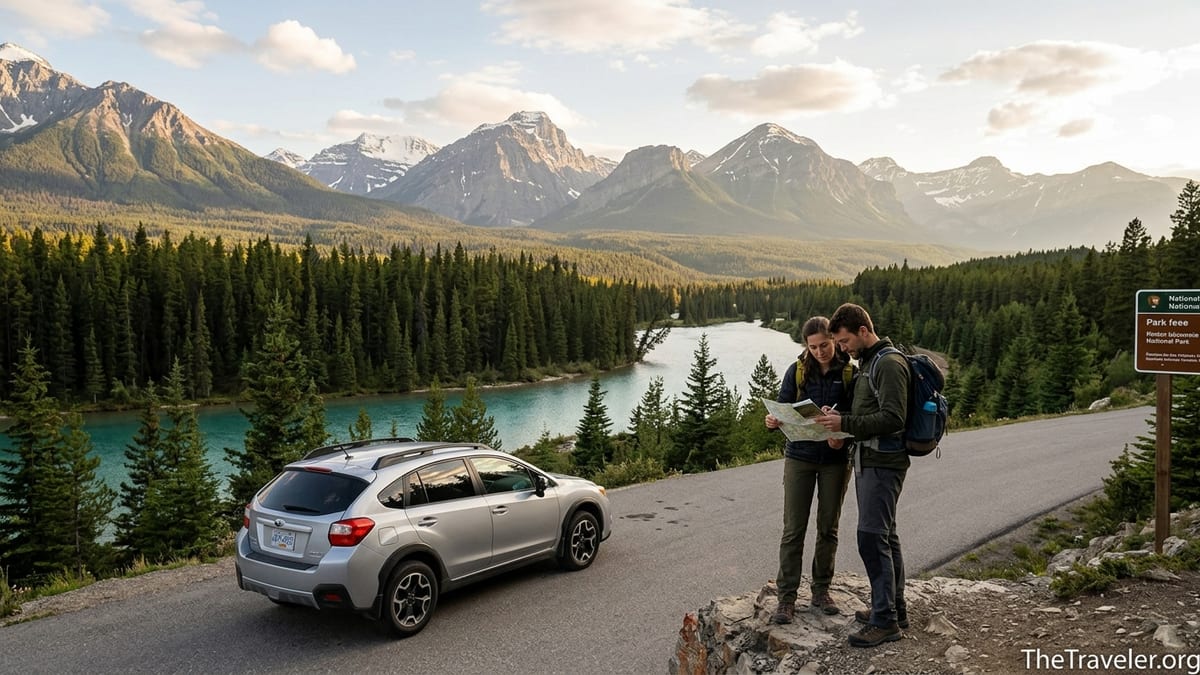
What a Western Canada Trip Typically Includes
Most Western Canada itineraries combine at least one urban gateway with time in the Rockies. A common pattern is to start in Vancouver, spend a night or two in the city, then travel by car or train toward the mountain parks around Jasper, Lake Louise and Banff. Some travelers add Vancouver Island or the Okanagan wine region, but the biggest costs are almost always city hotels, rental cars, long drives or train segments and days spent inside national parks.
For this guide, Western Canada mainly means British Columbia and Alberta, with focus on the classic corridor from Vancouver through Kamloops to Jasper and down the Icefields Parkway to Lake Louise, Banff and Calgary. Prices below are in Canadian dollars and reflect typical ranges seen for summer and early fall 2025–2026, when most international visitors come. Shoulder seasons in May, June and late September can be 10 to 30 percent cheaper, while winter in the Rockies often sees lower room rates but higher costs for ski-focused trips.
Because prices move with demand, think in ranges instead of fixed numbers. A midrange hotel in downtown Vancouver might run about 275 to 375 dollars per night in July, while the same room in November could be under 200 dollars. Similarly, a compact rental car that costs 70 dollars per day in early June can easily be 110 dollars or more during long weekends. The examples here aim for realistic averages, not rock-bottom last minute deals.
The budgets later in the article assume two adults sharing one room and one rental car, which is how many couples and friends travel. Solo travelers can reduce some costs by using transit instead of renting a car, but per-person accommodation costs will be higher unless you book hostel dorms or share with others.
Accommodation Costs: Vancouver, Jasper, Banff and Beyond
Accommodation is usually the single largest line item. In Vancouver, centrally located hotels in areas such as downtown, Coal Harbour and Yaletown typically start around 250 to 300 dollars per night in summer for a well rated three star or simple four star property. It is common to see familiar brands like Holiday Inn, Hampton Inn or Best Western in this range. Nicer waterfront hotels or boutique properties often run 400 to 600 dollars per night in July and August, especially during festivals or cruise ship peaks.
In the Rockies, prices can feel even steeper because capacity is limited. In Jasper, a standard room at a midrange hotel or lodge in high season often falls between 260 and 350 dollars per night, with popular properties selling out months in advance. In Lake Louise and Banff townsite, simple hotel rooms routinely list between 300 and 450 dollars in July and August, while famous resorts can easily exceed 700 dollars per night. Outside the busiest weeks, those same rooms might drop by 15 to 25 percent.
Travelers on a tighter budget often look at motels in gateway communities such as Canmore, Hinton or Golden. In summer, you can expect many basic but decent motels there to run from 180 to 260 dollars per night for a double room. Hostels remain one of the few ways to sleep for under 100 dollars per person in the Rockies, though private rooms at well known hostels or wilderness lodges frequently cost 150 dollars or more.
For rough planning, couples who want a comfortable but not luxurious trip typically budget around 300 dollars per night on average for accommodation across a mixed Western Canada itinerary in peak season. By choosing one or two nights in simpler motels outside the main hotspots, you can often nudge that average down to the 230 to 260 dollar range without sacrificing too much comfort.
Rental Cars, Fuel and Trains: Moving Around Western Canada
Many visitors pick up a rental car at Vancouver International Airport or downtown and return it in Calgary, or the reverse. Daily prices fluctuate significantly, but in mid 2026 a compact or midsize car from a major brand commonly runs 80 to 130 dollars per day in July and August when booked in advance. SUVs and minivans can run 140 to 220 dollars per day or more in the same period. One way drop fees between British Columbia and Alberta are normal and can add roughly 150 to 300 dollars to the total rental cost, depending on the company and season.
Fuel is another necessary cost across Western Canada’s long distances. Recent gasoline prices in British Columbia and Alberta have often hovered roughly in the 1.70 to 2.00 dollars per liter range in busy summer months, which translates to around 6.40 to 7.60 dollars per US gallon. A typical loop from Vancouver to Jasper, down the Icefields Parkway to Banff and out to Calgary can cover 1500 to 2000 kilometers, so many travelers end up spending roughly 250 to 400 dollars on fuel over a 10 to 14 day trip that involves extensive driving.
Some visitors prefer trains for at least part of the journey. The long distance Canadian train operated by VIA Rail between Vancouver and Jasper is a scenic option. Recent guide pricing suggests that an economy seat between Vancouver and Jasper can sometimes be found from under 200 dollars when booked well ahead, though availability and seasonal demand can push real world prices higher. Tourist oriented rail packages that bundle this route with hotels and tours, or luxury trains such as Rocky Mountaineer, often run into the thousands of dollars per person for two or three day segments, so they belong in a higher budget category.
For travelers who want to avoid renting a car in Vancouver itself, the city’s SkyTrain and bus network offers a cost effective way to get around before picking up a vehicle. A typical adult transit fare for a couple of zones within the Metro Vancouver region is generally in the single digit range per ride, with day passes available, making city transit a much cheaper option than taxis or rideshare if you have the time.
National Parks, Activities and Tours
Entry to the Canadian mountain parks is not free, and park passes add up quickly over multi day trips. As of 2026, daily admission for adults to major Rockies parks such as Banff and Jasper is just over 12 dollars per person, or roughly 25 dollars for a family or group arriving in one vehicle. Youth 17 and under are not charged daily entry. For travelers visiting several parks or staying for a week or more, the Parks Canada Discovery Pass, which gives unlimited access to dozens of national parks and historic sites for a year, is often better value. The adult pass costs in the low 80 dollar range and the family or group version is roughly double that.
Beyond entry fees, signature attractions and tours shape many budgets. In Banff, a return ride on the popular Banff Gondola to the summit above Sulphur Mountain typically costs around 70 to 85 dollars per adult in high season when booked directly, though prices can vary slightly with demand, time and promotions. A soak at Banff Upper Hot Springs is far cheaper, with single entry adult tickets under 25 dollars. At Lake Louise, parking for private vehicles in peak summer can approach 40 dollars per day, and shuttles booked via Parks Canada or local operators add another modest cost per person.
Guided activities can range from short canoe rentals and boat cruises to full day glacier experiences. For example, a 1 hour canoe rental on the lake at a resort in the Rockies can easily cost 150 dollars or more per canoe in peak season, while a popular half day glacier walk near the Columbia Icefield often runs 120 to 170 dollars per adult. Wildlife viewing tours, such as evening bus safaris in Jasper, are commonly priced around 80 to 120 dollars per person, depending on duration and inclusions.
It is also worth budgeting for occasional museum or interpretive site entry. Places like the Whyte Museum in Banff or local heritage centers in mountain towns generally charge modest entry fees under 20 dollars per adult. Over a 10 day trip, a couple that pays for one higher priced tour, two moderate activities and a few small museum entries might easily allocate 500 to 800 dollars to activities alone.
Food, Drink and Everyday Expenses
Food prices in Western Canada vary widely between big cities, resort towns and smaller communities, but there are consistent patterns. In Vancouver, it is still possible to find quick counter service meals for 15 to 20 dollars per person, especially in neighborhoods with strong Asian food scenes. Sit down dinners at casual restaurants where you order a main dish and perhaps share an appetizer often come out to 30 to 45 dollars per person before tip, particularly if you add a drink.
In the Rockies, the same meal tends to cost a little more. Banff and Jasper are tourist heavy and relatively remote, so it is common to see dinner entrees priced in the 28 to 40 dollar range at midrange restaurants, with higher prices at top rated spots. A basic bacon and eggs breakfast in a sit down cafe might run 18 to 25 dollars, while a coffee and pastry from a bakery can still be kept under 10 dollars in many places.
Many travelers manage food costs by mixing restaurant meals with self catering. Supermarkets in places like Vancouver, Kamloops, Canmore and Jasper allow you to buy picnic supplies, snacks and simple breakfasts. A couple who buys groceries for breakfast and some lunches might average 25 to 40 dollars per day for supermarket items, while still going out for dinner most nights. Those who eat three restaurant meals daily can expect to spend 120 to 180 dollars per day or more on food and drinks for two.
Do not forget everyday extras. Laundry in hotels is often charged per item and can add up quickly, so many people wait until they reach a town with a coin laundromat, where a wash and dry cycle for a couple of loads might total 10 to 15 dollars in coins plus detergent. Souvenirs such as T shirts, small art prints or local food products add another flexible category that can range from almost nothing to several hundred dollars depending on your interests.
Sample Budgets for 7, 10 and 14 Day Trips
To make the numbers more concrete, it helps to run through sample itineraries. Consider a midrange couple visiting in July who spends two nights in Vancouver, three nights in the Rockies and two nights in Calgary on a 7 day trip. If they pay around 320 dollars per night on average for hotels, their accommodation total will be about 2240 dollars. A 7 day compact car rental at roughly 110 dollars per day including taxes and some extra fees would add around 770 dollars, plus perhaps 160 dollars in fuel for driving between cities and within the parks.
On top of that, a Parks Canada Discovery Pass for the couple, at around 168 dollars for a family or group vehicle, would cover park entry. If they take one signature tour such as a gondola ride and one moderate guided activity, they might spend roughly 400 to 500 dollars on activities together. Food could easily land around 140 to 160 dollars per day if they mix casual restaurant meals with some groceries, adding about 1050 to 1150 dollars over a week. All in, this 7 day sample trip might fall in the 4800 to 5500 dollar range before flights, with room to trim costs by choosing cheaper lodging or skipping pricier tours.
Stretching the same travel style to a 10 day trip that adds more time in Jasper, Lake Louise and Banff means three additional nights of accommodation and three more days of car use and food. Using the same averages, accommodation might rise by about 960 dollars, car rental by around 330 dollars and food by about 450 dollars. Fuel for additional driving could add another 60 to 80 dollars. With a couple of extra paid activities, the total for a comfortable midrange 10 day trip can reach 6800 to 7800 dollars for two travelers.
A 14 day journey that includes Vancouver, a full loop through the Rockies and perhaps Victoria or the Okanagan requires still more budget but often gives better value per day. With 14 nights of accommodation at an average of 300 to 320 dollars, hotel costs alone can be about 4200 to 4500 dollars. A two week car rental with a one way drop might be negotiated down a little on a per day basis, but many travelers still end up in the 1500 to 1900 dollar range by the time they factor in insurance and fees. Food at 140 to 170 dollars per day for 14 days lands around 2000 to 2400 dollars.
For this longer trip, you might reasonably budget 800 to 1200 dollars for a mix of gondolas, lake cruises, museum visits and one or two higher ticket experiences like a glacier tour or guided hike. Fuel for a more extensive route that includes side trips can climb to 300 to 450 dollars. Putting these elements together, a realistic central estimate for a 14 day midrange Western Canada trip for two could sit between 9500 and 11,500 dollars before international flights, with savings possible in shoulder seasons or by strategically choosing simpler accommodation for some nights.
Money Saving Strategies That Do Not Ruin the Experience
Although many costs in Western Canada are hard to avoid, there are ways to keep the overall budget sensible without sacrificing the essence of the trip. Timing is one of the biggest levers. Traveling in late May or mid September often provides nearly the same mountain scenery at lower prices, especially for hotels and rental cars. For example, a downtown Vancouver hotel that costs 360 dollars in early August might drop to 260 dollars or less in shoulder season, and the same pattern is common across the Rockies.
Location choices also matter. Staying a 20 to 30 minute drive outside a marquee spot can significantly cut nightly rates. Rather than sleeping right at Lake Louise, which has very limited inventory at high prices, many budget conscious visitors base themselves in Banff or Canmore and drive or take shuttles to the lakes for day visits. Similarly, using Hinton as a base for exploring parts of Jasper National Park, or Revelstoke or Golden when visiting Glacier and Yoho, can keep accommodation and dining costs down.
Transport is another area where a few tweaks can help. In Vancouver, rely on public transit and walk instead of renting a car for city days. Pick up your vehicle only when you actually leave the city, allowing you to shift two or three rental days into hotel nights in which you are not paying for a parked car. On one way itineraries between Vancouver and Calgary, compare the total cost of a one way car rental plus fuel with the price of a return flight and a simple local car rental at each end, since the one way drop fee can sometimes outweigh the convenience.
Finally, choose a few priority paid experiences and let the rest of your days revolve around hiking, scenic drives and lake shore walks, which are mostly covered by the park pass you already need. Instead of booking every offered activity, pick one or two highlights such as a gondola ride or glacier tour and leave open space for free or low cost exploration. This approach keeps your activity budget under control while still delivering memorable moments.
FAQ
Q1. How much should I budget per day for a Western Canada trip? For a midrange couple in peak summer, a realistic daily budget before flights is often around 550 to 750 dollars including accommodation, a rental car, fuel, park passes, food and occasional paid activities.
Q2. Is it cheaper to rent a car or travel by train in Western Canada? For most itineraries, renting a compact car and sharing costs between two people is cheaper and more flexible than booking long distance tourist oriented rail packages, though a basic economy train seat on routes such as Vancouver to Jasper can be cost competitive with driving if you factor in fuel and parking.
Q3. Are national park passes in the Canadian Rockies worth the price? Yes, if you are spending more than a couple of days in parks like Banff, Jasper, Yoho or Kootenay, the daily fees add up quickly and the Discovery Pass or a multi day pass usually pays for itself while covering a large network of parks.
Q4. When are hotel prices lowest in Western Canada? Hotel rates in Vancouver and the Rockies are typically lowest from late fall through early spring, excluding major holidays and ski peaks, while shoulder seasons in May, early June and late September often offer a compromise of lower prices and still decent weather compared with July and August.
Q5. Can I visit Banff and Jasper without renting a car? It is possible to combine long distance trains or buses with local shuttles and guided tours, but schedules can be limited, so travelers who want full flexibility for sunrise lakes, trailheads and roadside stops usually find a rental car much more convenient.
Q6. How much does food typically cost per day in the Rockies? A couple eating one or two restaurant meals per day and using groceries for breakfast or picnics often spends about 100 to 160 dollars daily on food and drinks, while eating all meals out at sit down restaurants can easily push that higher.
Q7. Are luxury train trips like Rocky Mountaineer good value? Luxury rail journeys provide a comfortable, curated experience with meals and commentary, but prices commonly reach several thousand dollars per person for just a few days, so they belong in a premium budget rather than a cost conscious Western Canada trip.
Q8. How far in advance should I book hotels in Banff and Jasper? For July and August travel, it is wise to book popular hotels in Banff and Jasper at least three to six months ahead to secure reasonable rates and availability, while shoulder season trips can often be arranged with less lead time.
Q9. Do I need to budget extra for parking? Yes, many hotels in downtown Vancouver and central Banff charge nightly parking fees, and premium sites such as the main Lake Louise lot charge for daytime parking in summer, so it is sensible to allow a modest daily amount in your budget for these charges.
Q10. Is travel in Western Canada affordable on a tight budget? While Western Canada is not a low cost destination, travelers willing to visit in shoulder season, use hostels or simpler motels, rely on transit in cities and focus on free outdoor activities can still experience the highlights on a tighter budget than the high season averages suggest.